
Does Morning Light Help Insomnia: What Evidence Shows
Does morning light help insomnia? What the evidence actually shows for sleep-onset trouble, how long it takes, and where the habit hits its limit.
The blog
Does morning light help insomnia? What the evidence actually shows for sleep-onset trouble, how long it takes, and where the habit hits its limit.
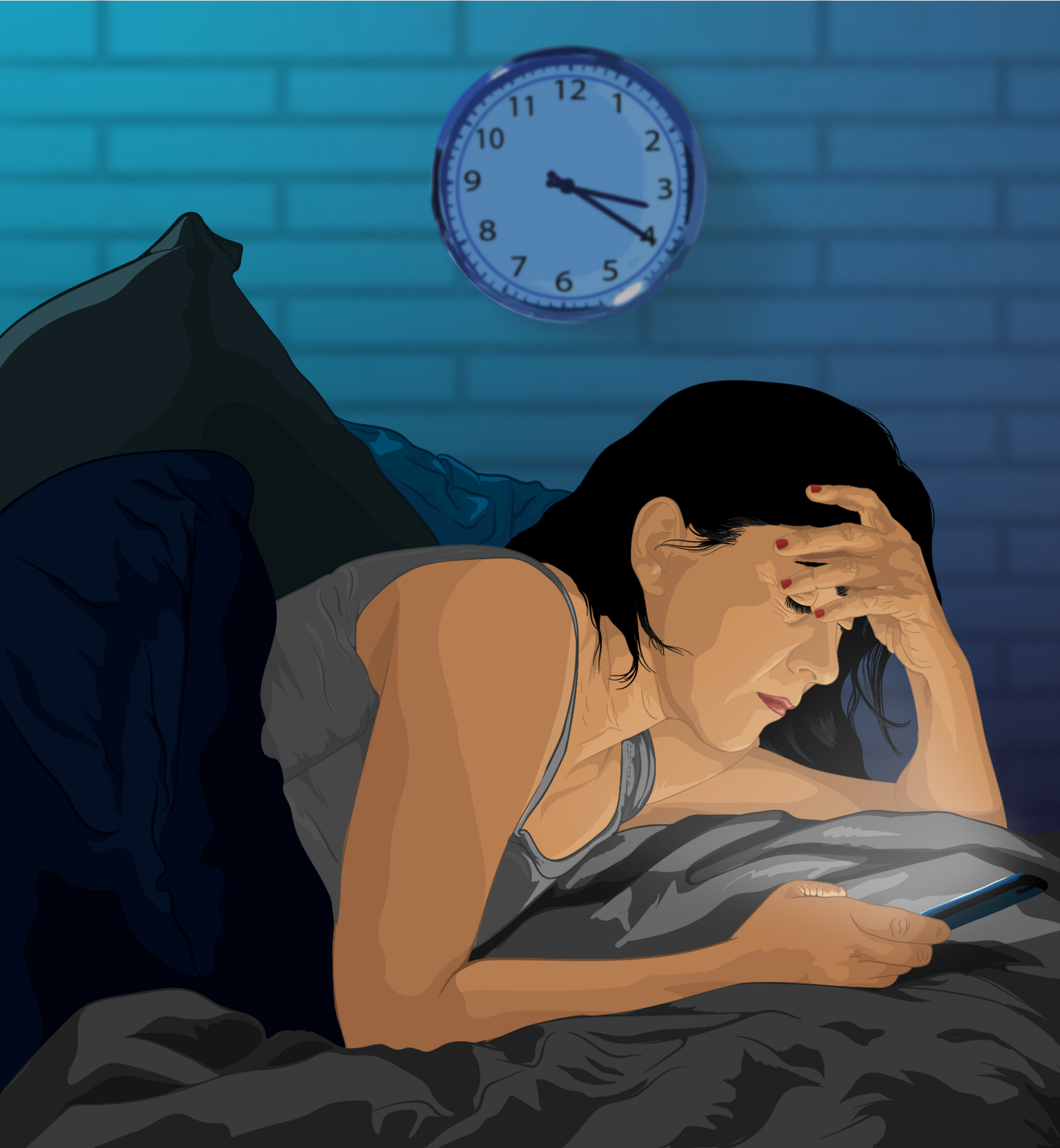
How stress affects sleep, mechanically: worry hides real sleepiness from the gauges, keeps your alarm from resetting, and hands you a chemistry report at midnight.

Sleep inertia after a 3am wake-up is a thick-headed hangover from waking out of deep or REM sleep. Why fog happens, why the clock check feeds it, and what clears it.
How long naps should be comes down to sleep pressure: ten to twenty minutes stays in the shallow end, past thirty you wake groggy, and after four the night pays.
The alarm clock first week is the real test of the phone-charging-outside rule: what to expect day by day, the honest failure modes, and the $10 fix that holds.
A morning light habit that sticks is stapled to coffee, not willpower. The recipe, the stapling trick, and the honest two-week wait before it pays out.

A 10 dollar alarm clock retires the phone's last excuse for sleeping beside you. One purchase moves the light, the feed, and the job out of reach.

Sleep cycles explained plainly: why nights run in ninety-minute laps, why you surface between them, and why 3 a.m. is the shallow end of the pool, not a curse.

You can work out at night without wrecking your sleep. The never-exercise-after-six rule fails when tested, and evening exercisers get more deep sleep, not less.
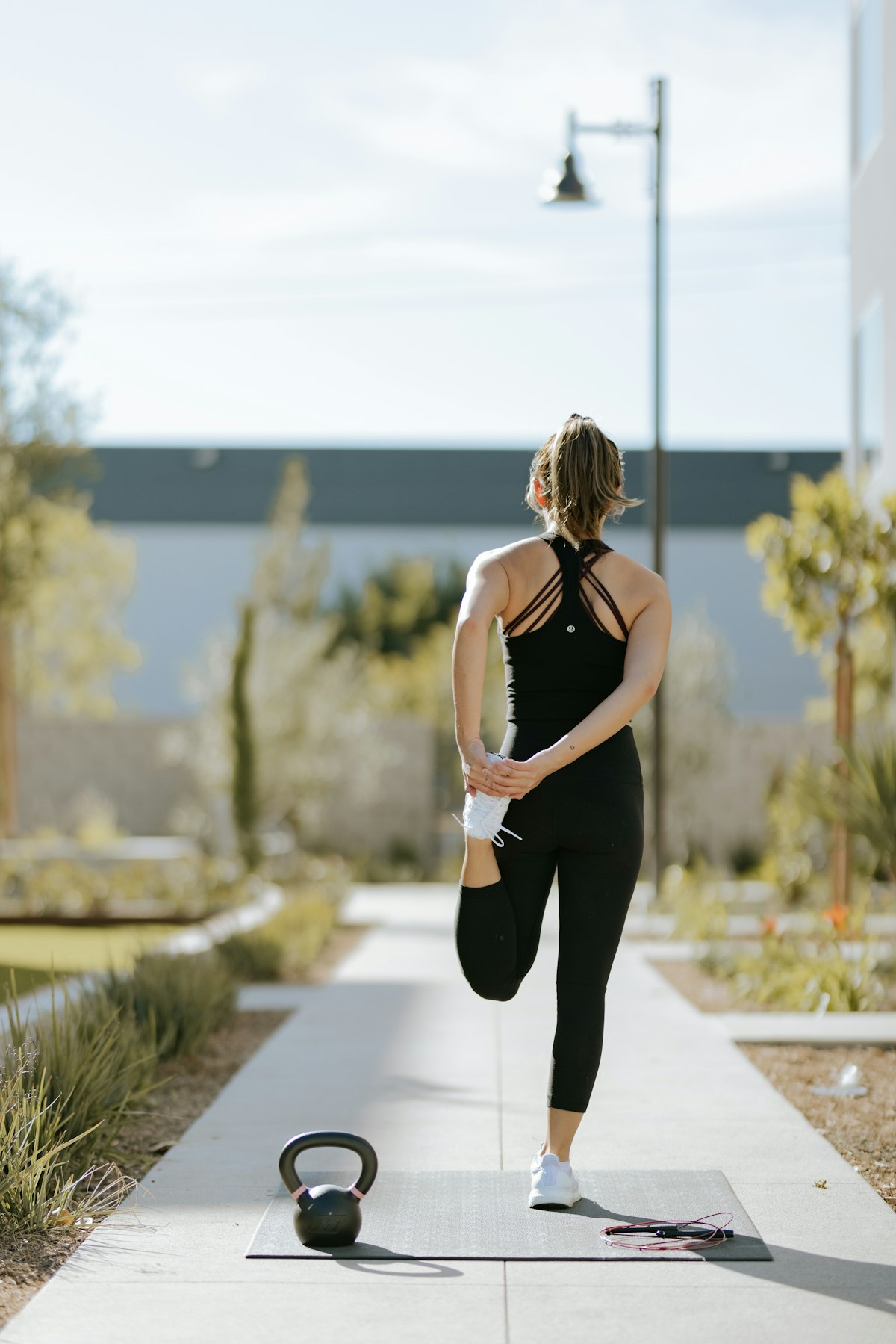
Exercise and menopause sleep help each other, but timing decides whether movement cools or heats the night. Why morning works and how evening backfires.