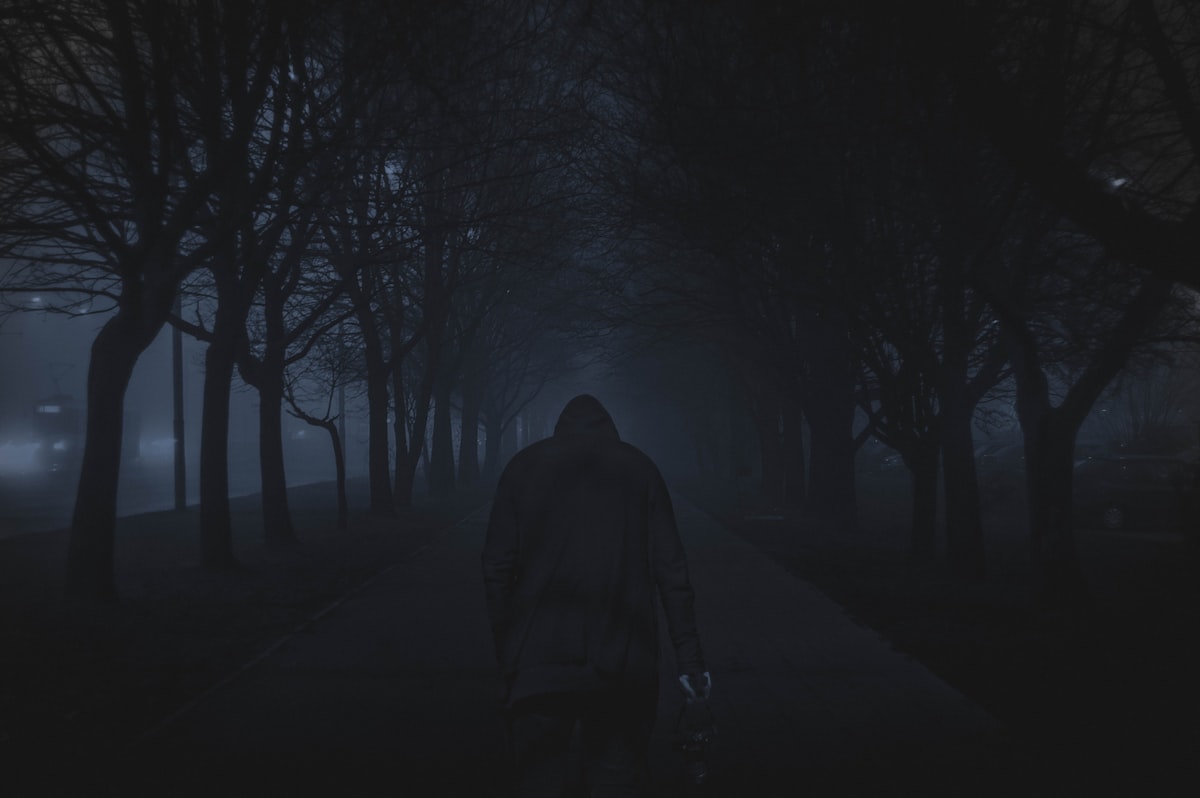
How Dark Should Your Evening Be: A Simple Guide
How dark evening should be for sleep: the 10 lux target for the last three hours, lamps instead of overheads, the bathroom mirror trap, the smaller screen problem.
The blog
How dark evening should be for sleep: the 10 lux target for the last three hours, lamps instead of overheads, the bathroom mirror trap, the smaller screen problem.
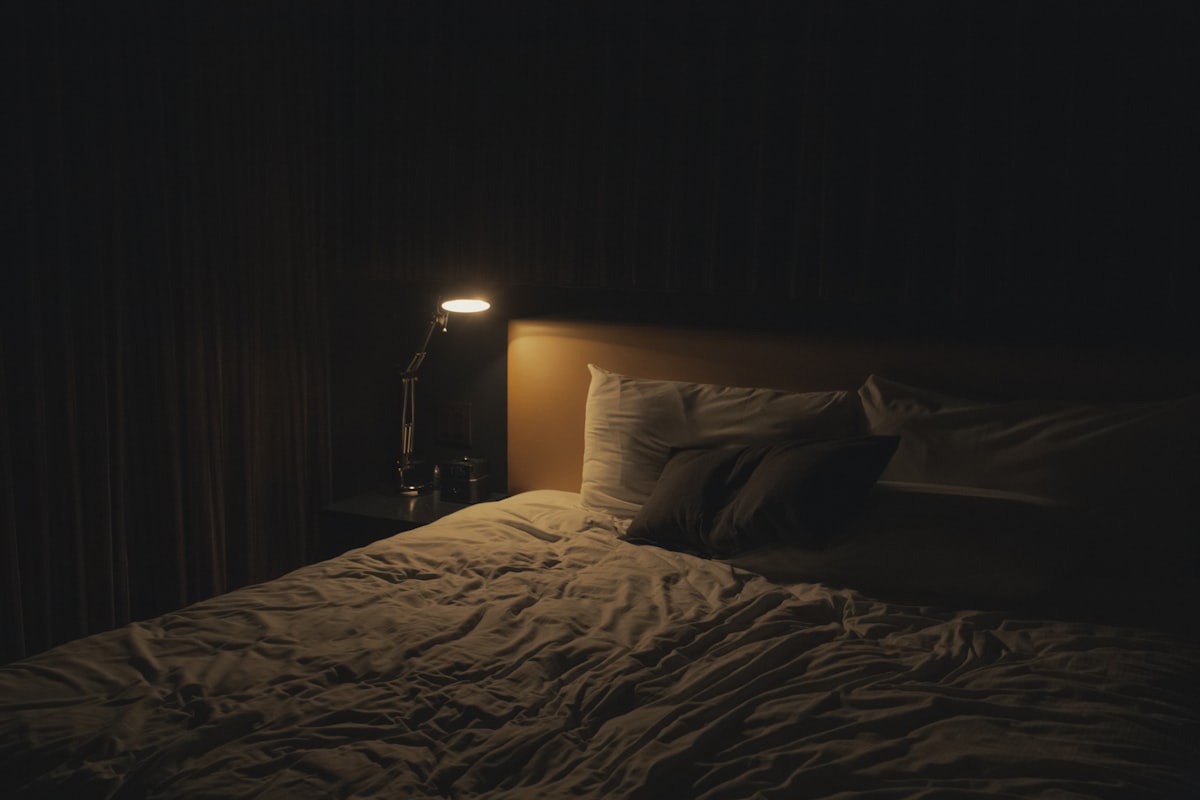
Your caffeine cutoff time is bedtime minus eight hours. The math behind that number explains why a 4 p.m. coffee is still on duty at 2 a.m., and how to test it.
Should older adults nap? Yes, but short and early: twenty minutes before three protects the night, while long late naps feed thinner nights and longer naps.

A sleep study sounds worse than it is: sensors, one ordinary night, a page that explains years of tired. What happens in lab and home versions, and the results.
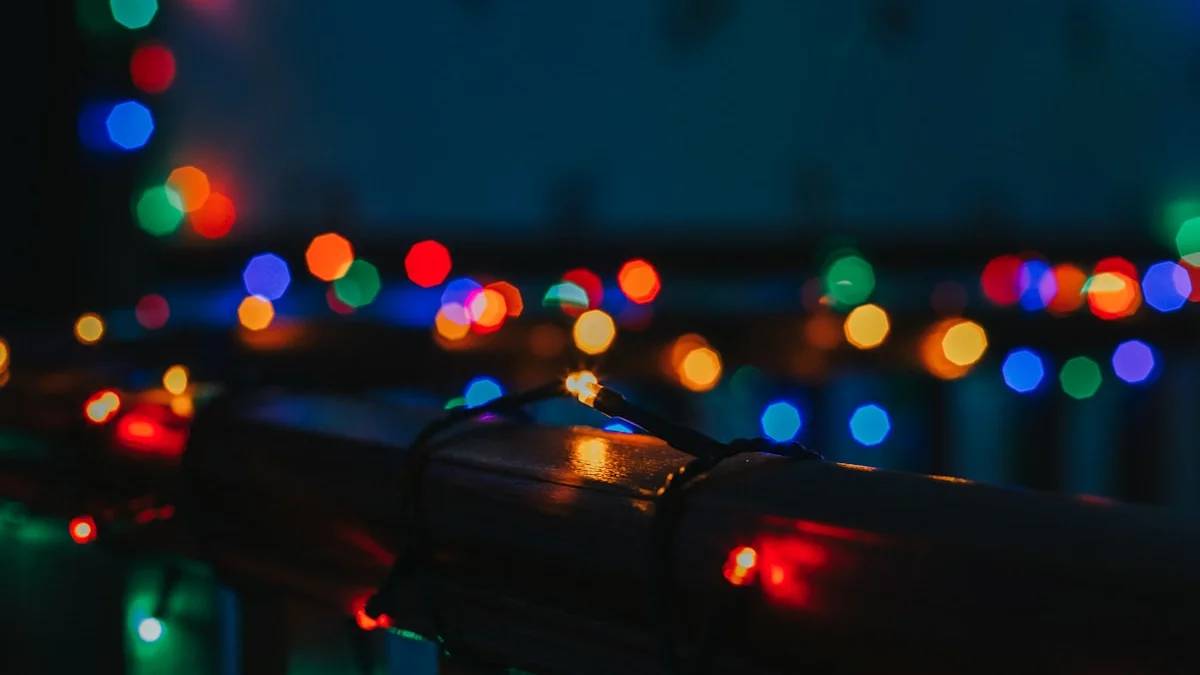
Night shifts don't pause for the holidays, and celebrations run on your sleep hours. Hold the anchor, share the season, and recover without wrecking January.
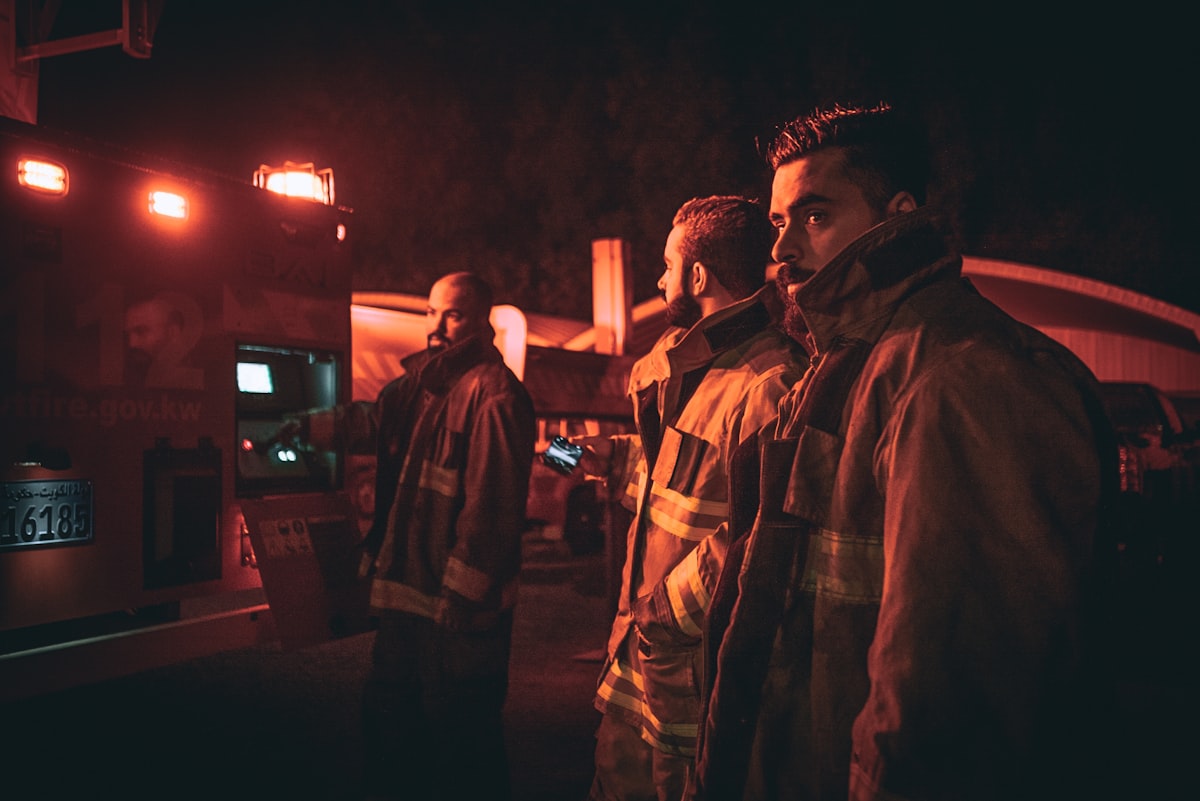
Daylight saving shifts the world one hour overnight, and night workers get the strangest version. What happens to your schedule and how to soften the change.
A 3am card is five rules on an index card for the wake-up you can't think through. What goes on it, why it works, and how to make yours in ten minutes tonight.

What is CBT-I? The cognitive behavioral therapy for insomnia named first-line before pills, how the 4-6 session program works, and how to ask for it by name.
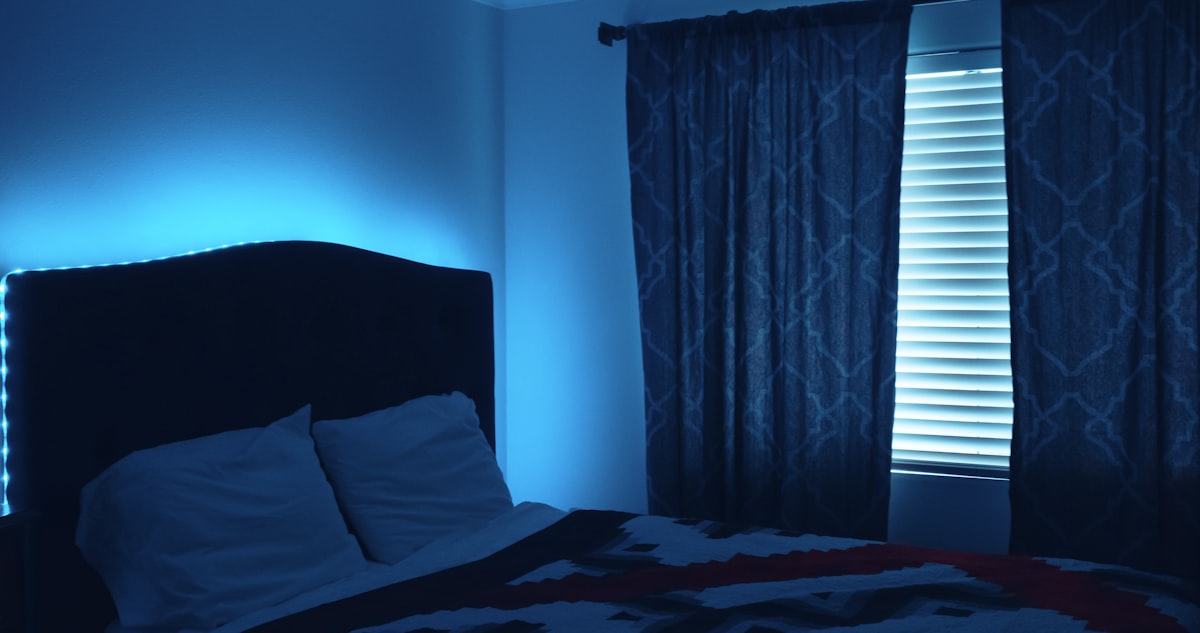
Day sleep in summer heat fights your biology twice: daytime waking signals and peak temperature. The full cooling playbook, from blackout glass to warm showers.
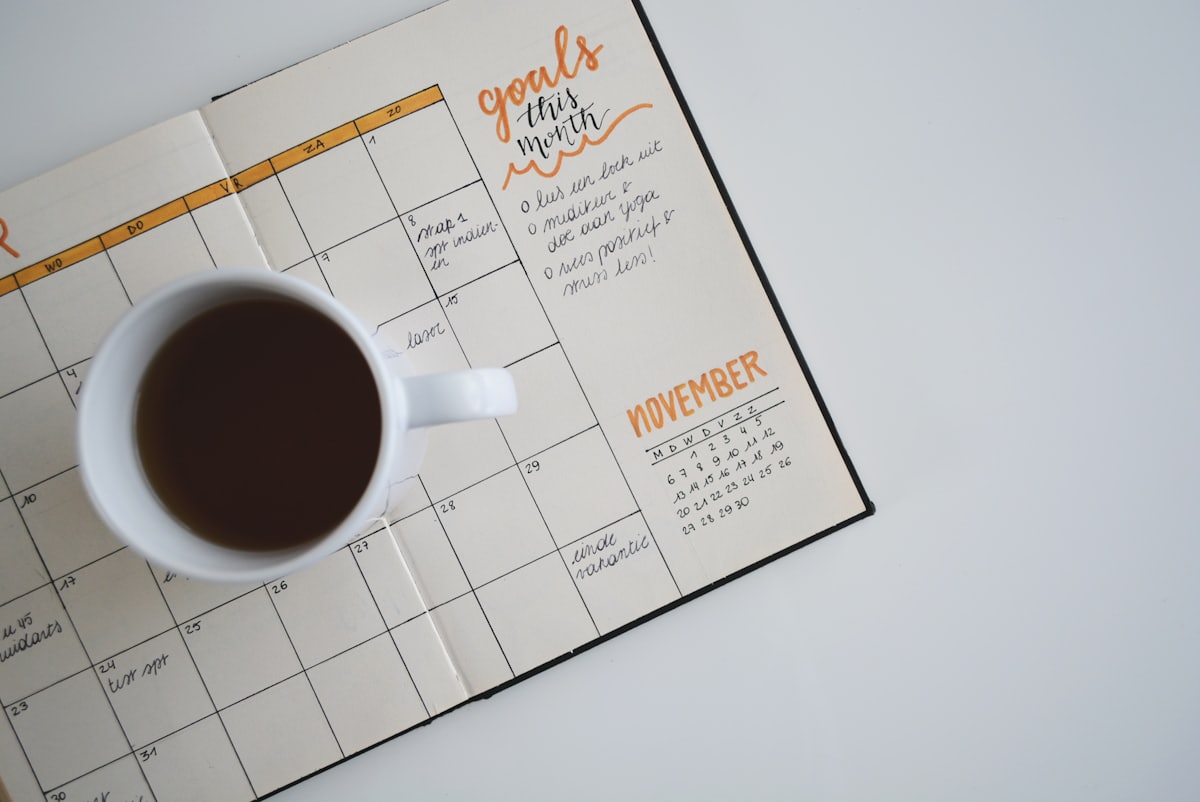
A caregiver whose stress won't shrink gave worry office hours: twenty minutes a night at the kitchen table, and the problems got smaller hours instead.