How to Nap Well in Midlife Without Ruining the Night
Napping in midlife takes different rules than it did at twenty-five. How to keep a short daytime nap from stealing the night you already sleep thinly.
The blog
Napping in midlife takes different rules than it did at twenty-five. How to keep a short daytime nap from stealing the night you already sleep thinly.
How to fall asleep when you're stressed and tired: why exhaustion alone can't put you under, the sleep effort trap, and the boring tools that actually work.

Fall back without wrecking your sleep: why the clock change lands harder than an hour, the light tactics that re-anchor your clock, and the week that fixes it.

Gaming late costs more sleep than shows because matches are interactive, endless, and end on the server's schedule, not yours, while a show at least ends.

Car windows light the road but not your body clock. What windshield glass filters out, how many lux survive, and what to do about your commute.
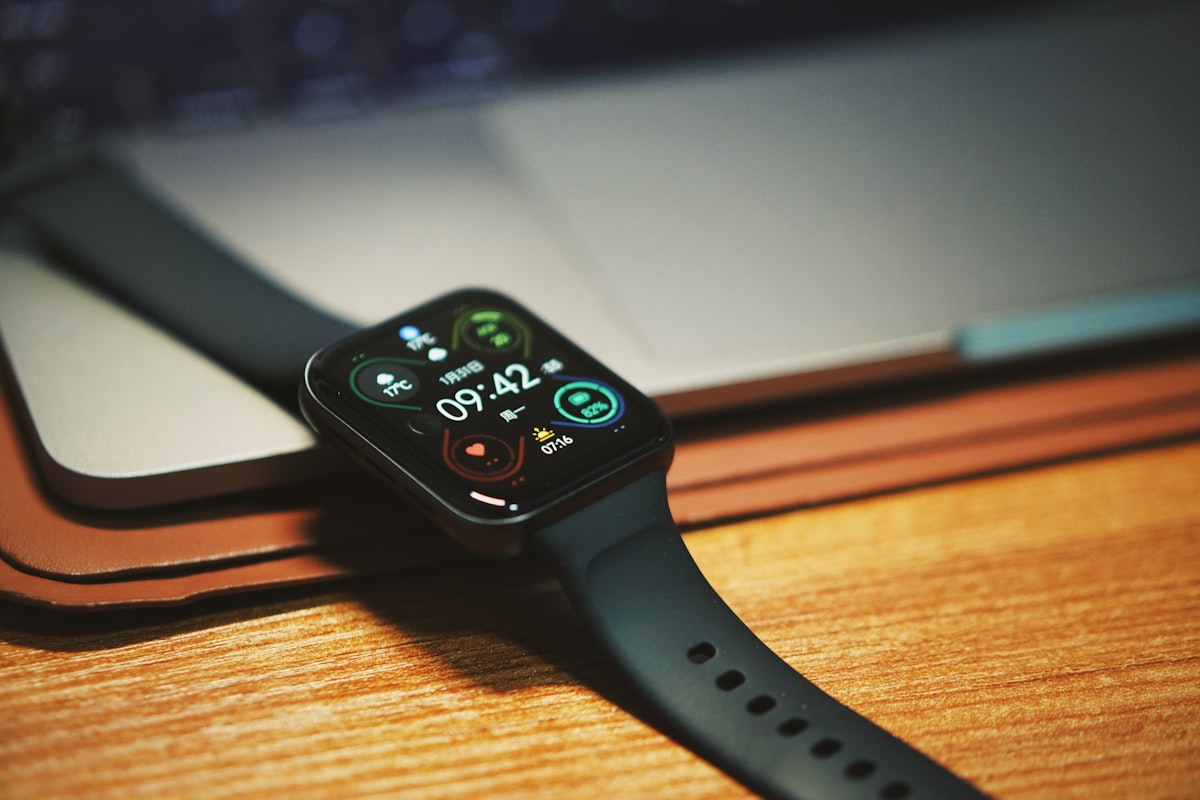
A sleep tracker can show cycle sleep changes in duration and wake count, but not hormones. What wrist data reveals across your cycle, and where it fails.
How to lower cortisol at night: a scheduled worry window, downshift tasks between 3 and 10 p.m., a caffeine cutoff, and one wake time defended like a shift.

Which is better for sleep, weights or cardio? The research answer is an anticlimax. What actually matters for strength vs cardio sleep, and the week to prove it.
Apartment morning light without a yard is solvable: balconies, stoops, hallway windows, lunchtime repair walks. What counts, what doesn't, and the honest lux math.

Cortisol and sleep explained without the villain story: the morning spike is normal, the midnight floor is the goal, and chronic worry flattens the curve.