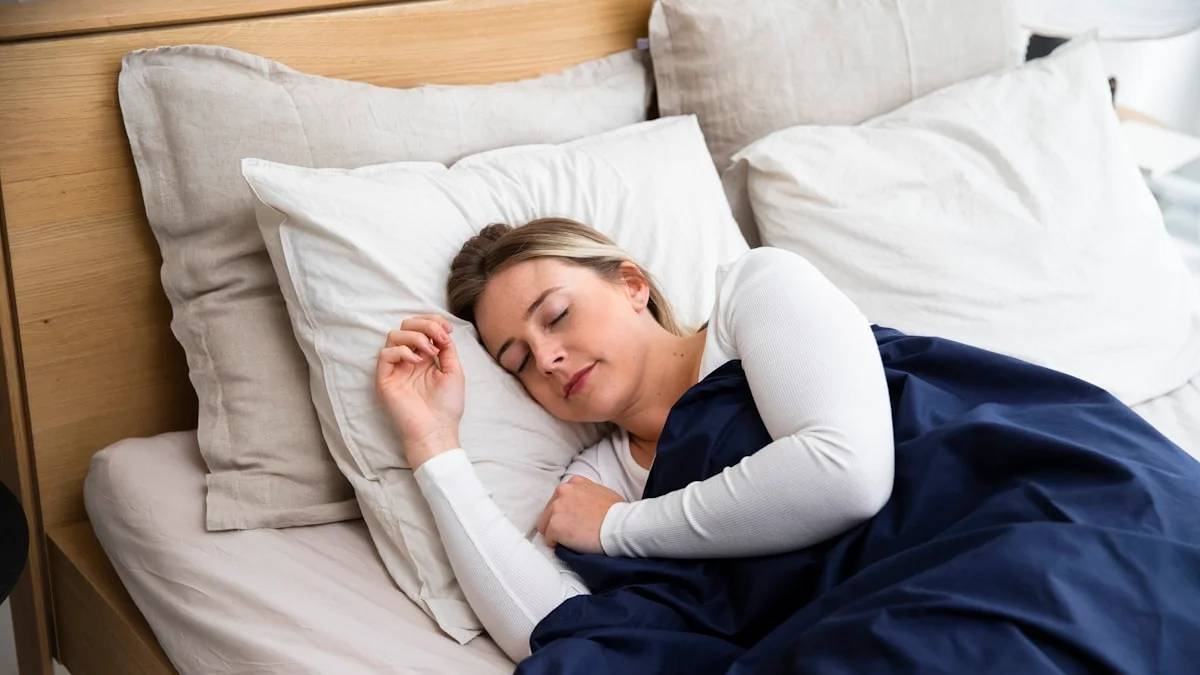
Why Menopause Raises Your Sleep Apnea Risk
Menopause sleep apnea risk rises as progesterone and estrogen fall: airway tone, weight shifts, and symptoms misfiled as insomnia. What to watch for.
The blog
Menopause sleep apnea risk rises as progesterone and estrogen fall: airway tone, weight shifts, and symptoms misfiled as insomnia. What to watch for.

Caffeine half-life explained without hand-waving: why 5 to 6 hours means your 4 p.m. coffee is still a quarter full at 2 a.m., and how to use that math.
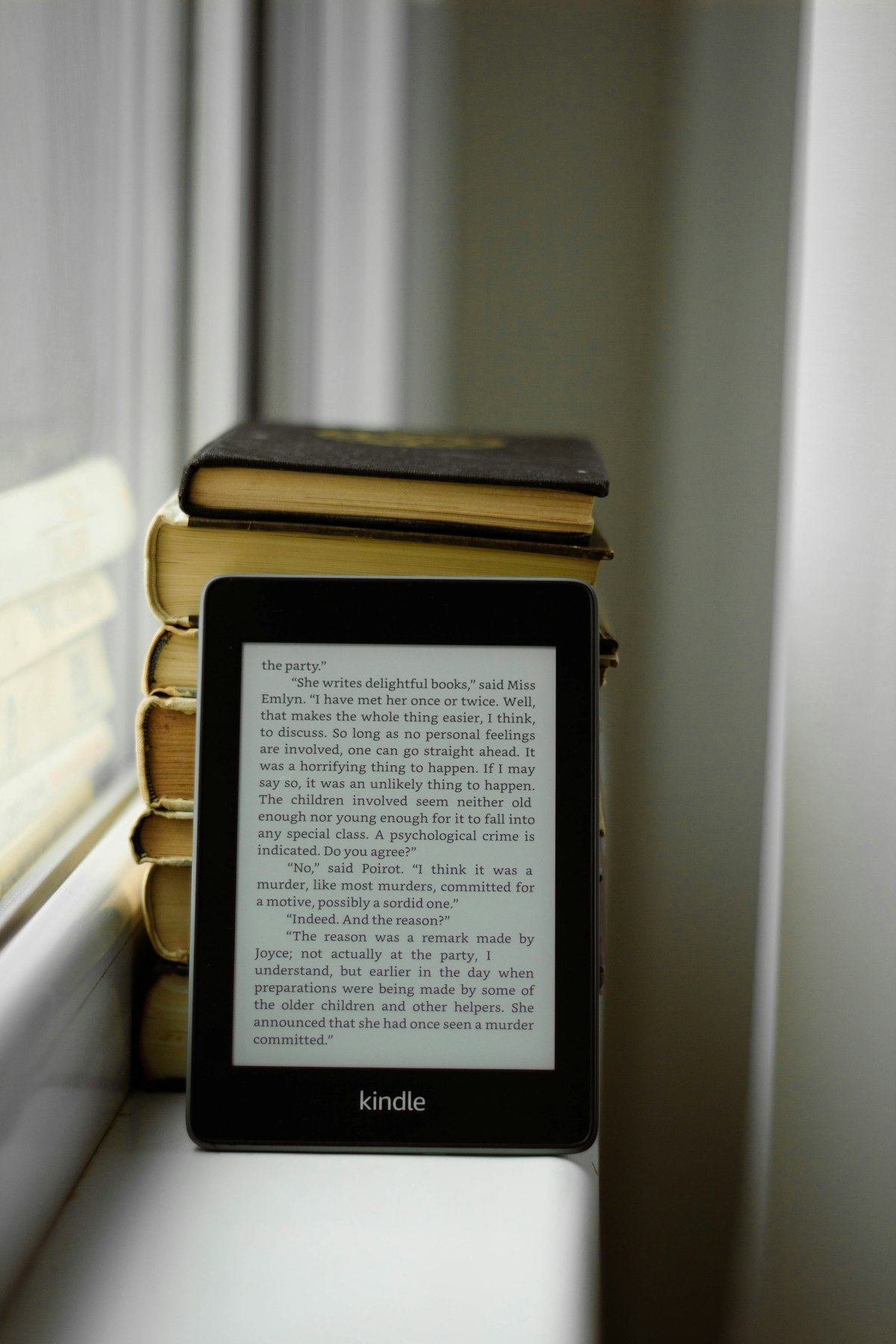
Do e-readers help you sleep? E-ink behaves like paper, backlit tablets don't, and the feed is the real thief. What the evidence shows and how to set it up tonight.
Sleep restriction in CBT-I caps time in bed near your actual average sleep, then stretches it back out. Why deliberately sleeping less rebuilds consolidated nights.

How to wake up without coffee starts with light, not willpower: daylight in your first waking hour resets the clock that coffee was only borrowing against.
Light exposure and melatonin run on timing: daylight in the morning sets the clock, bright light at night holds the hormone back, and both show up at bedtime.
Night sweats when to worry: most are hormonal, but some signal infection, thyroid trouble, or something needing a clinician. The signs that end the self-help phase.
The cortisol wave at 3am explains the timing: alertness chemistry climbs toward morning while sleep runs shallow. Why the hour is biology, not a curse.

Perimenopause sleep travel means packing the cooling playbook: your own layers, your own fan plan, and a room you can make dark. How to sleep away from home.
Does light through a window help your sleep clock? Glass and distance cut the dose to a fraction of what's outside, and here is what counts instead.