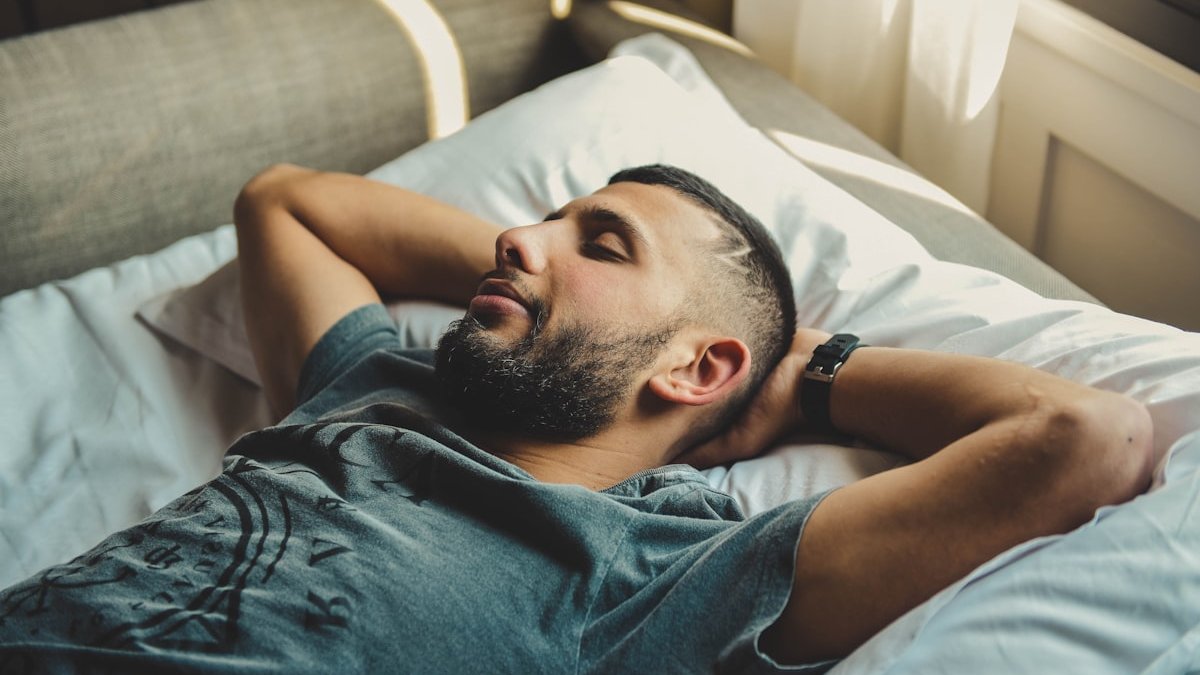
Waking Up Gasping for Air: What It Means
Waking up gasping for air: what the pattern usually means, when it points to sleep apnea, and the evidence worth bringing to a doctor instead of guessing.
The blog
Waking up gasping for air: what the pattern usually means, when it points to sleep apnea, and the evidence worth bringing to a doctor instead of guessing.

Rumination vs worry at night: one loops the past, one rehearses the future, and each needs a different tool. How to tell them apart at 11 p.m.
Snoring pauses of ten or twenty seconds followed by a gasp are a pattern worth showing a doctor. What the stop-start snore is, and how to gather evidence.

Sleep apnea children signs look nothing like adult tiredness: snoring three or more nights a week plus trouble concentrating, acting out, and grades sliding.
Hangover sleep fails because alcohol fragments the second half of the night, so ten hours in bed can hold five hours of real sleep. Here's what to do next.

Start a digital sunset in five steps: pick the hour, dock the phone, replace the feed, tell the house, and let the boring first week run its course.
What to tell your doctor about insomnia: seven days of notes, one honest sentence, zero apologies. Bring evidence, ask for CBT-I by name, skip the shame.

When should you replace your mattress? The seven-to-ten-year rule, the three tells that outrank the calendar, and the hotel-bed test's catch.
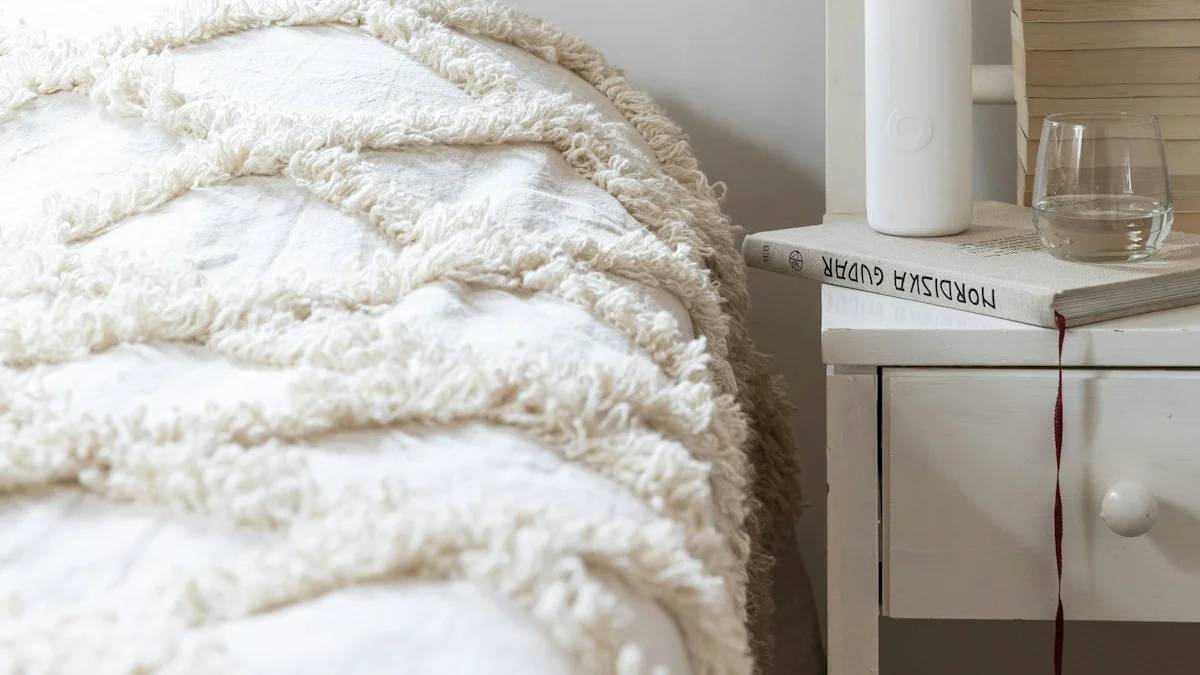
Why a warm room blocks the temperature drop that starts sleep, and how to cool your bedroom tonight without a thermostat.

How long until sleep improves after quitting drinking: the second half of the night responds within days, falling asleep takes longer, and here's the timeline.