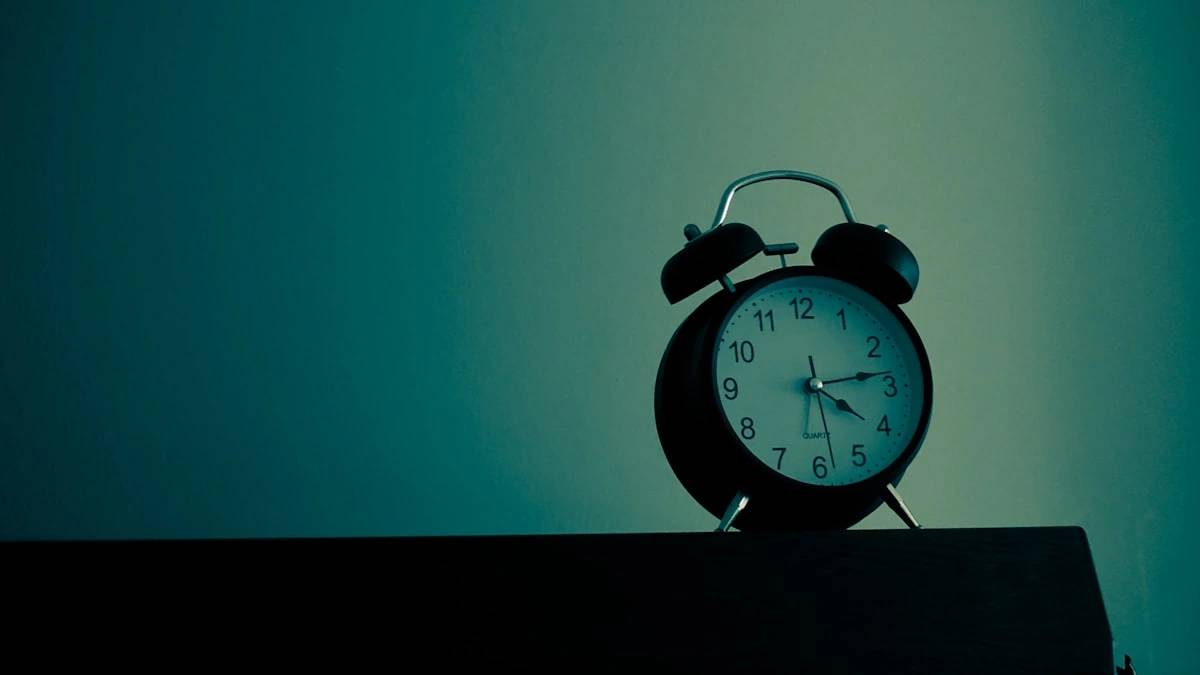
Waking Up at 3 A.M.
Sleep Cycles Explained: Why You Wake at Night
By Nora Vale · July 15, 2026 · 7 min read

The number that changed how I sleep wasn’t a bedtime or a supplement. It was this: most people surface briefly several times every night, always have, and forget every single one by morning. I’d spent years treating my 3 a.m. wake-ups as malfunctions, evidence, a verdict, when the truth was I’d started remembering them. Getting sleep cycles explained properly did that. It moved the wake-ups from the broken column to the design column, and the design column is a much better place to work from. The practical toolkit for the nights when a surfacing sticks is in the waking up at 3am guide.
Key takeaways
- A night is four to six laps of roughly ninety minutes, not one long dive.
- Deep sleep comes early, REM stretches long by morning, and brief surfacings between laps are standard equipment.
- Most surfacings last under three minutes and are forgotten. The ones you remember are the ones something stuck to.
- Waking at night isn’t the problem to solve. Staying awake is, and the fix is different from what you’d guess.
The night is laps, not a dive
A night is not one long dive. It’s closer to four to six laps, and each lap, which sleep researchers call a cycle, runs roughly ninety minutes, though the honest range stretches from about eighty to a hundred and ten, and the exact figure has never fixed anybody’s sleep. The useful part isn’t the number, it’s the shape. The laps are not identical. Deep sleep comes early, the first cycles carrying most of the heavy physical repair work, while REM, the dreaming stage, starts out skimpy and stretches toward the better part of an hour by morning.
Between the laps, you surface. This is the part the one-number theories leave out, and it’s the part that matters: the surfacing between laps is standard equipment, so standard that sleep researchers treat several brief surfacings per night as a feature of the design rather than a malfunction in yours. You were never a bad sleeper. You were a sleeper who started remembering the wake-ups, and the remembering is where all the trouble lives.
I think about how long it took me to learn this, and I get a little annoyed on behalf of everyone still lying awake at 3 a.m. believing they’re broken. Nobody handed us the manual. The manual says the wake-up is normal.
What decides how any night goes
Two forces run the show, and both deserve plain terms. The first is sleep pressure, the drowsy cargo you accumulate with every hour awake and unload while you sleep. It’s why a long Sunday outdoors so often produces a gloriously heavy Monday night, and why a 4 p.m. nap quietly steals from midnight. The second is your body clock, which schedules the production and decides which hours run deep and which run shallow. The two have to be pointed at the same target for a night to run clean, which is why a Saturday lie-in until eleven can leave you wide awake at midnight with eight hours of nothing to do.
The timing is where 3 a.m. gets its reputation. By the small hours, the cargo is gone, the deep sleep is banked, and what remains in the second half of the night is lighter, REM-heavy sleep you can pop out of like a cork. Age bends the picture a little further, because deep-sleep share declines across adulthood and older people surface more often, which researchers describe as mostly normal biology rather than a diagnosis in waiting. None of that changes the advice. It just means the margins run thinner and the habits matter more, not less.
So the surfacings cluster late, and they cluster at the same time, which is why the clock seems to keep collecting you at the same hour. The shallow half of the night is uniformly shallow. That’s the architecture. It isn’t a message.
From surfacing to waking
The gap between a forgotten surfacing and a remembered waking is what attaches to it, and the attachments are specific. The clock check, and the instant you know it’s 3:14, the math starts: hours left, hours gone, tomorrow mortgaged minute by minute. You check for reassurance and get a bill instead. The phone grab, which is a light source aimed at your face, a feed engineered to be more interesting than sleep, and a job, all in one rectangle. And the morning cortisol climb, which starts rising around 2 or 3 a.m., meeting your anxiety halfway through with a stage and excellent acoustics.
Remembering a waking is not evidence of a defective system. It means one arousal ran long enough to leave a mark, and what you do in the following twenty minutes decides whether it leaves a scar. That twenty minutes is the whole ballgame, and it’s why the fix for sticky wake-ups isn’t deeper sleep or a better mattress. It’s stimulus control: no clocks, get up after an estimated twenty minutes if you’re stuck, do something dim and boring somewhere else, and come back when truly sleepy, so the bed stays a place where sleep happens rather than a place where you lose arguments. The should you get out of bed when you can’t sleep post takes on the objection to that rule directly, and the what is stimulus control post explains the conditioning underneath it.
Honest limit: understanding the architecture doesn’t shorten a waking by itself. I knew the laps for a year before I stopped doing the math, because knowing and declining the clock check are different skills, and only the second one pays. The clock-specific rules live in the how to stop checking the time at night post. And if the wake-ups come with loud snoring or pauses in breathing someone else has seen, that’s not architecture, that’s a doctor conversation, and the signs of sleep apnea post lists what to watch for.
Somewhere tonight you’ll surface between laps, the way you did last night and the night before. Most of the time it’ll last under three minutes and be gone by breakfast. The goal was never a night without surfacings. The goal is surfacings boring enough to forget.
The whole system, including the worksheets, is in Sleep, Finally.
Frequently asked questions
How long is a sleep cycle?
Roughly ninety minutes, though the honest range stretches from about eighty to a hundred and ten, and the exact figure has never fixed anybody’s sleep. A night runs four to six cycles, with deep sleep concentrated early and REM stretching toward the better part of an hour by morning.
Is it normal to wake up between sleep cycles?
Yes. Most people surface briefly several times a night, most surfacings last under three minutes, and most people forget every single one by morning. Remembering a waking isn’t evidence of a defective system. It means one arousal ran long enough to leave a mark.
Why are my wake-ups all in the second half of the night?
Deep sleep is banked early and sleep pressure is spent by the small hours, so the second half runs on lighter, REM-heavy sleep you pop out of easily. The shallow stretch is uniform, which is also why wake-ups cluster around the same time each night.
How do I stop waking up between cycles?
You mostly can’t and don’t need to. The waking is the design. What you can change is what attaches to it: the clock check, the phone, and the solve-it-now reflex. Keep the bed for sleep only, get up after an estimated twenty minutes if you’re stuck, and the surfacings go back to being forgettable.
The whole system, including the worksheets, is in Sleep, Finally.
This guide is educational, not medical advice. If sleep problems persist for months or wreck your days, see a doctor.