
The Cognitive Shuffle for Middle-of-Night Waking
Awake at 3am? The cognitive shuffle for middle-of-night waking gives your mind a boring job it can't worry through. How to run it, when it works, and when it won't.
The blog
Awake at 3am? The cognitive shuffle for middle-of-night waking gives your mind a boring job it can't worry through. How to run it, when it works, and when it won't.

Why pregnancy wakings cluster at 2 and 3 a.m., and the comfort engineering that shortens them: pillow forts, dinner timing, and the dim return to bed.

Should you set an alarm on weekends? Yes, with a window: the one-rule version that ends Monday jet lag, why the alarm is a floor not a cage, and what it can't fix.

Teens falling asleep in class are usually not lazy: the teenage body clock runs late, the wake time doesn't, and the snoring red flag parents shouldn't miss.
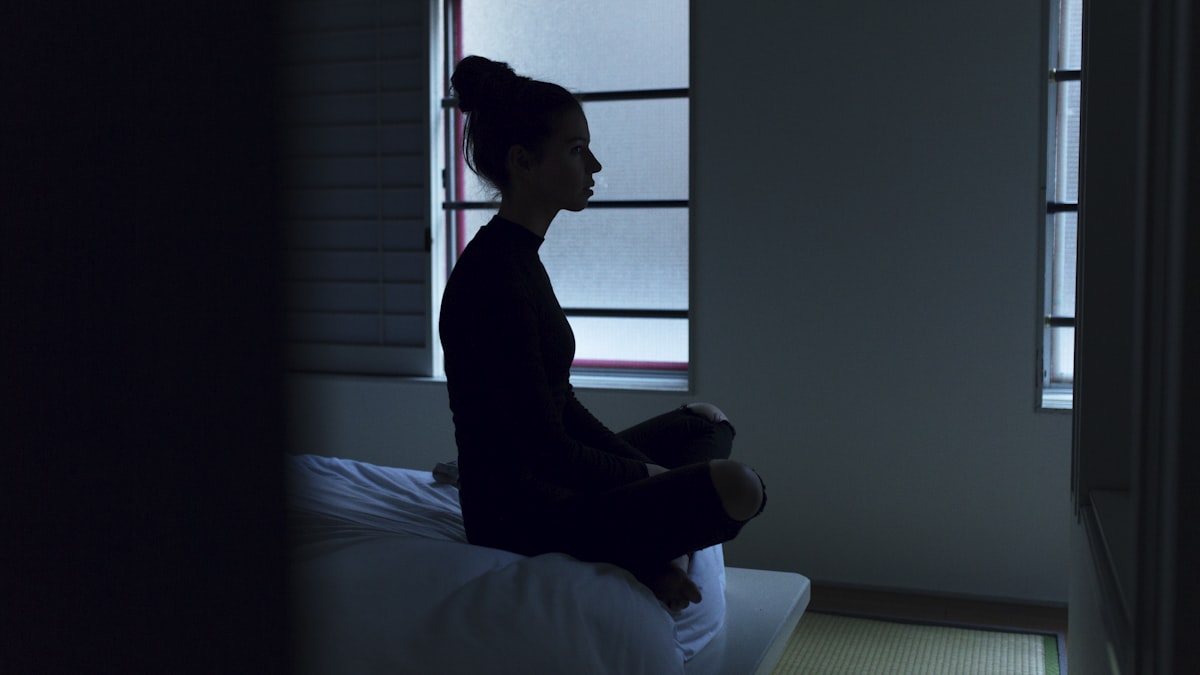
The insomnia depression link runs both ways: chronic insomnia doubles the risk of depression, and low mood shreds sleep back. Order matters less than treatment.

Screens at breakfast give your clock indoor-beige light while the real thing waits outside. The lux gap explained, why phones cost more than they look, and the fix.
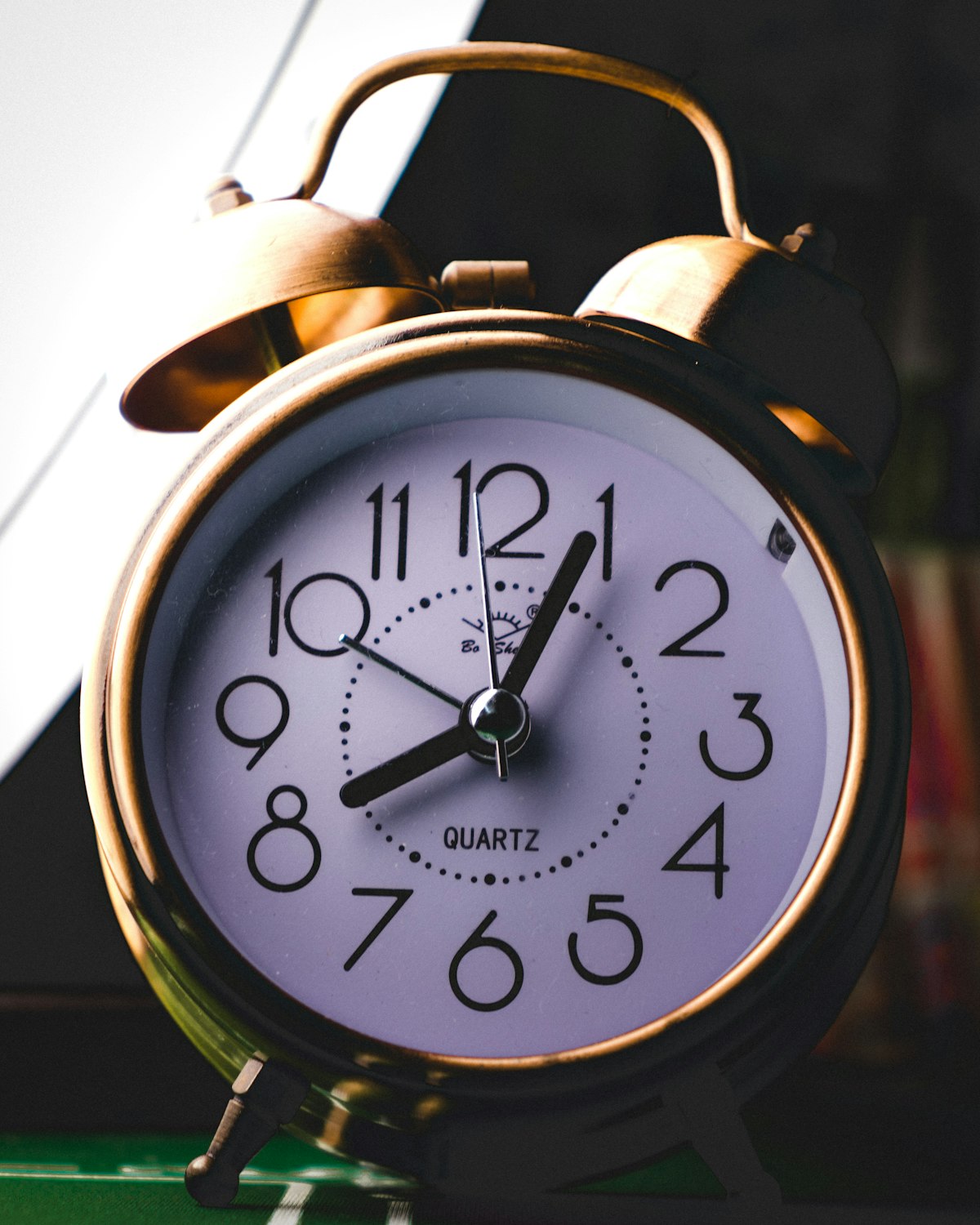
Alarm clocks without blue light need a short checklist: dimmable red or amber digits, no standby LEDs, real buttons, and under thirty dollars. Here's the list.
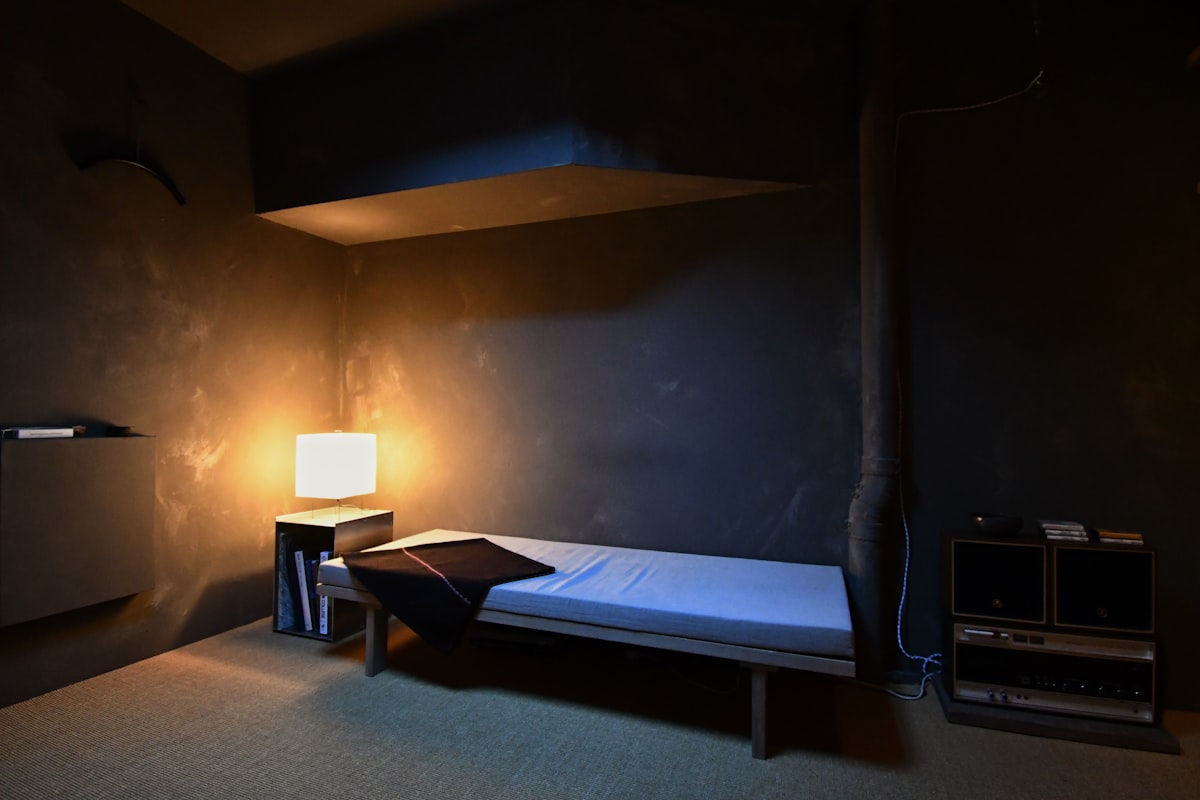
Lying awake after 20 minutes trains your brain that the bed is where thinking happens. Here's why getting up works, what to do instead, and what it costs.
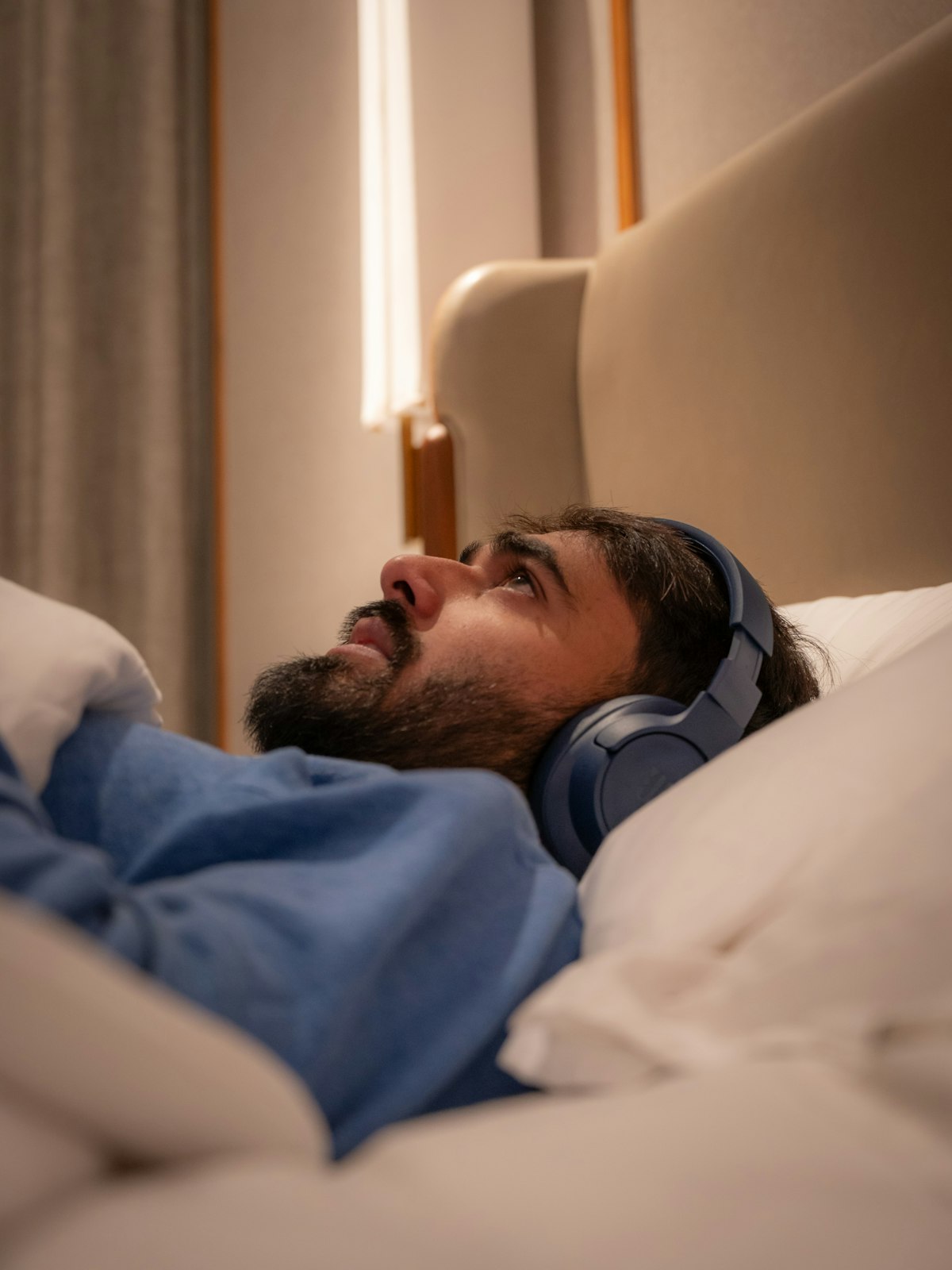
Best anti snoring devices ranked honestly: what the evidence supports, what's marketing, and which snore patterns a device should never touch.

Digital sunset meaning, plainly: the hour when screens go dark for the night, why the feed matters more than the blue light, and how to set your own.