
Daylight Saving Exhaustion: Why It Lasts and How to Fix It
Daylight saving exhaustion that lingers for weeks is usually a light-timing lag, not laziness. Here's how to re-hang your anchors and when to see a doctor.
The blog
Short, evidence-based, no pills and no gadgets. Everything here is a cousin of a chapter from the book.
Daylight saving exhaustion that lingers for weeks is usually a light-timing lag, not laziness. Here's how to re-hang your anchors and when to see a doctor.
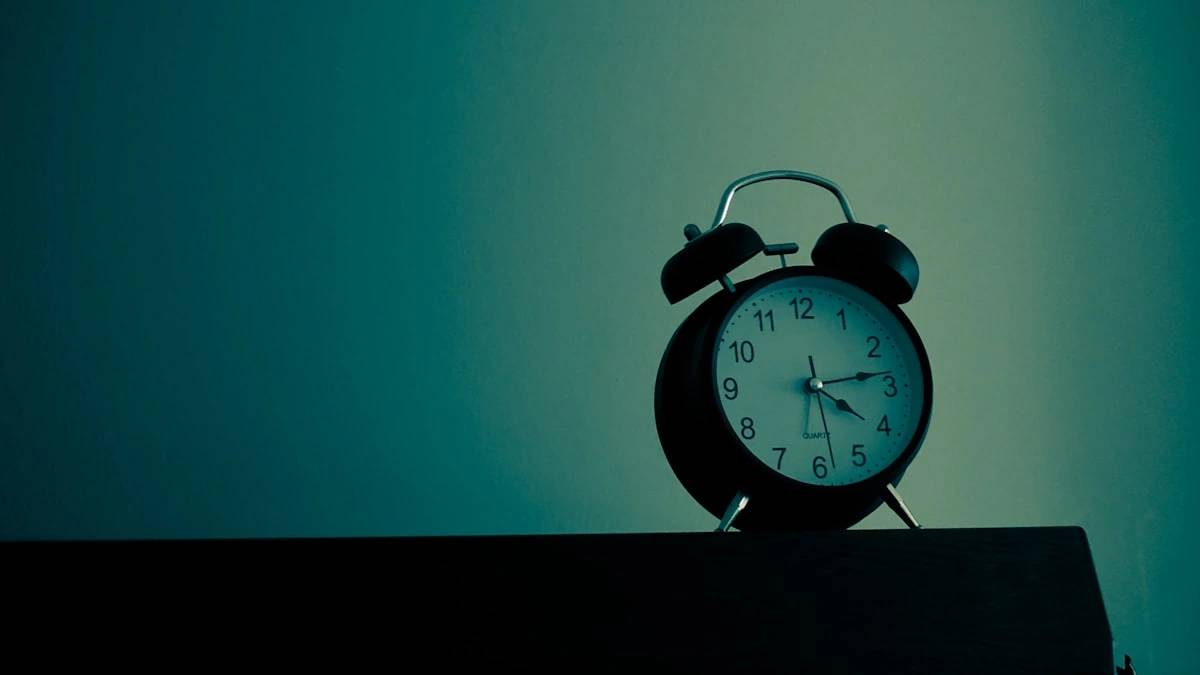
Clock-watching at night feeds insomnia with time math: you check for reassurance and get a bill instead. Here's why the 3am count backfires and what to do instead.

The 3am math spiral, from pension arithmetic to the alarm countdown: why time math fuels wakefulness, and the rules that starve the spiral instead.
Waking up to pee at night is often ordinary plumbing, wine, or age. Several trips every night with other flags deserves a doctor conversation. Here's how to tell.

TV as a sleep aid: why the fallback habit feels like it works, what it actually costs, and how to keep the calm parts if you're not ready to give the screen up.
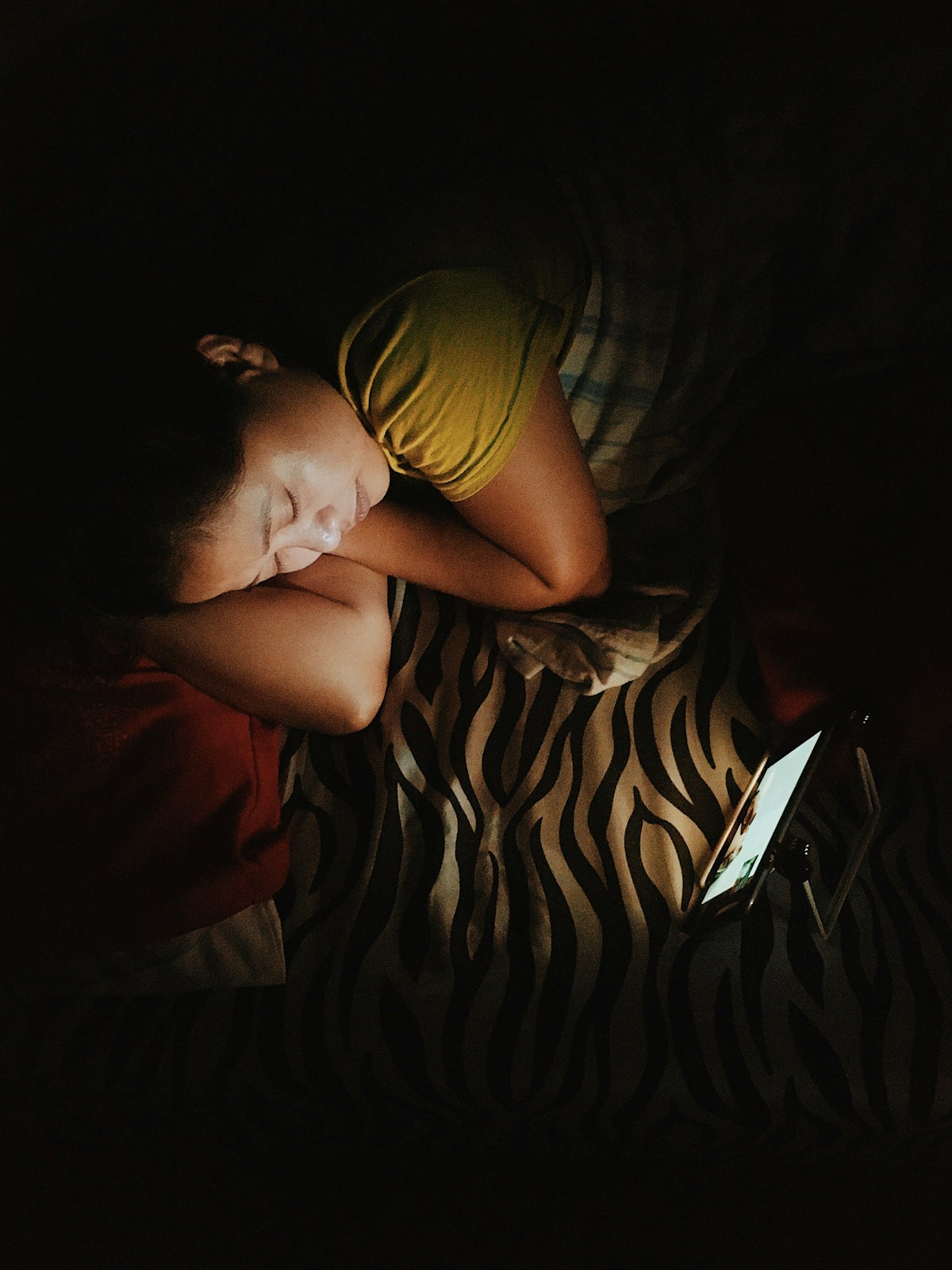
Can't sleep for months? The chronic insomnia threshold is three nights a week for three months with a daytime cost. Here's how to measure yours.
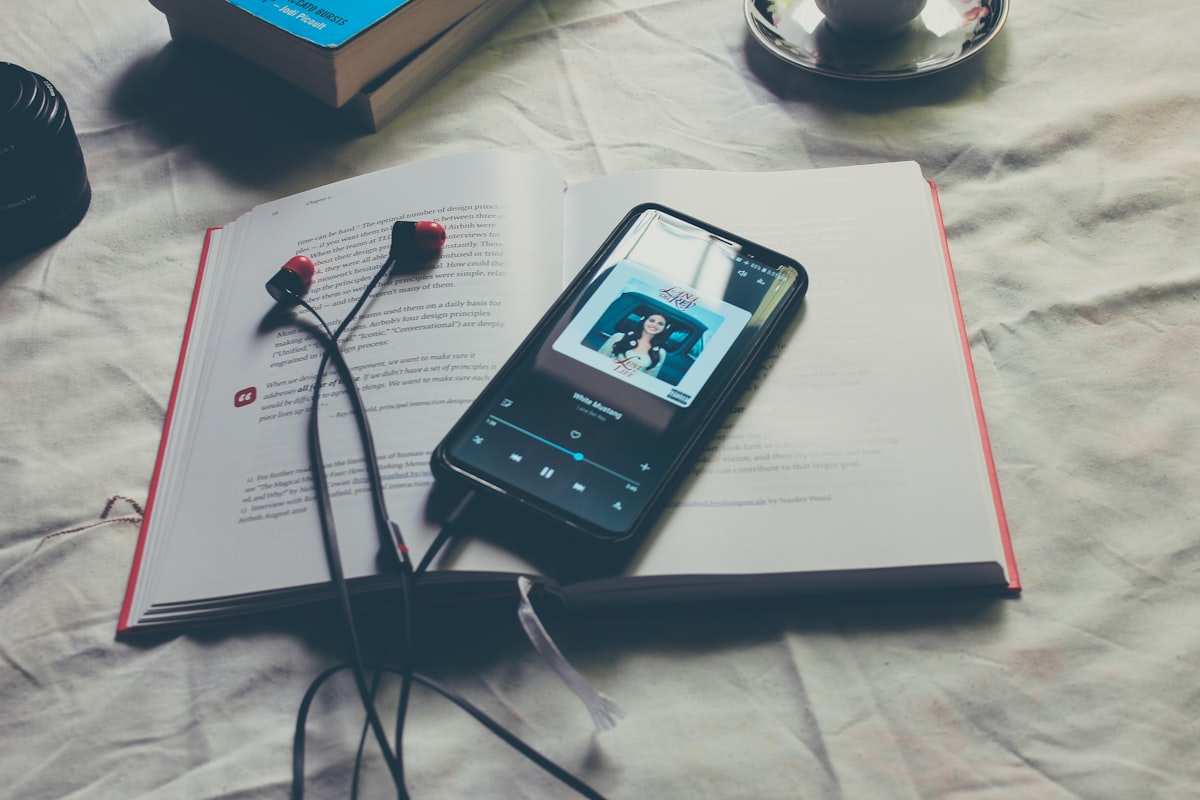
Audiobooks before bed pass the two-question test: they end on their own and come with no feed. How to set up the timer, volume, and slot so audio works at night.

Acting out dreams while sleeping means REM muscle shutdown failed. Yelling, punching, or falls deserve safety steps and a doctor conversation, not web verdicts.
Chronic insomnia treatment has a first line and it isn't a pill. CBT-I helps 7-8 in ten patients, and here's how the program works and how to ask for it.
Restless legs at night feel like fizzing under the skin and get dismissed as nervous energy. What the urge really is, what helps, and when to see a doctor.