How to Fall Asleep When Stressed: What Actually Works
How to fall asleep when stressed starts with dropping the effort, not adding more. The worry page, the cognitive shuffle, the long exhale, and why trying backfires.
The blog
How to fall asleep when stressed starts with dropping the effort, not adding more. The worry page, the cognitive shuffle, the long exhale, and why trying backfires.
Different sleep schedules strain couples less when treated like time zones, not betrayals. Anchor points, shared rituals, and honest limits from the book.
Older adults night wakings have real biology behind them, and normal doesn't mean untreatable. What changes with age, and what's still worth testing.
Weighted blanket wakings, honestly examined: what deep pressure can and can't do for 3 a.m., when it helps, when it backfires, and the cheap moves that outrank it.
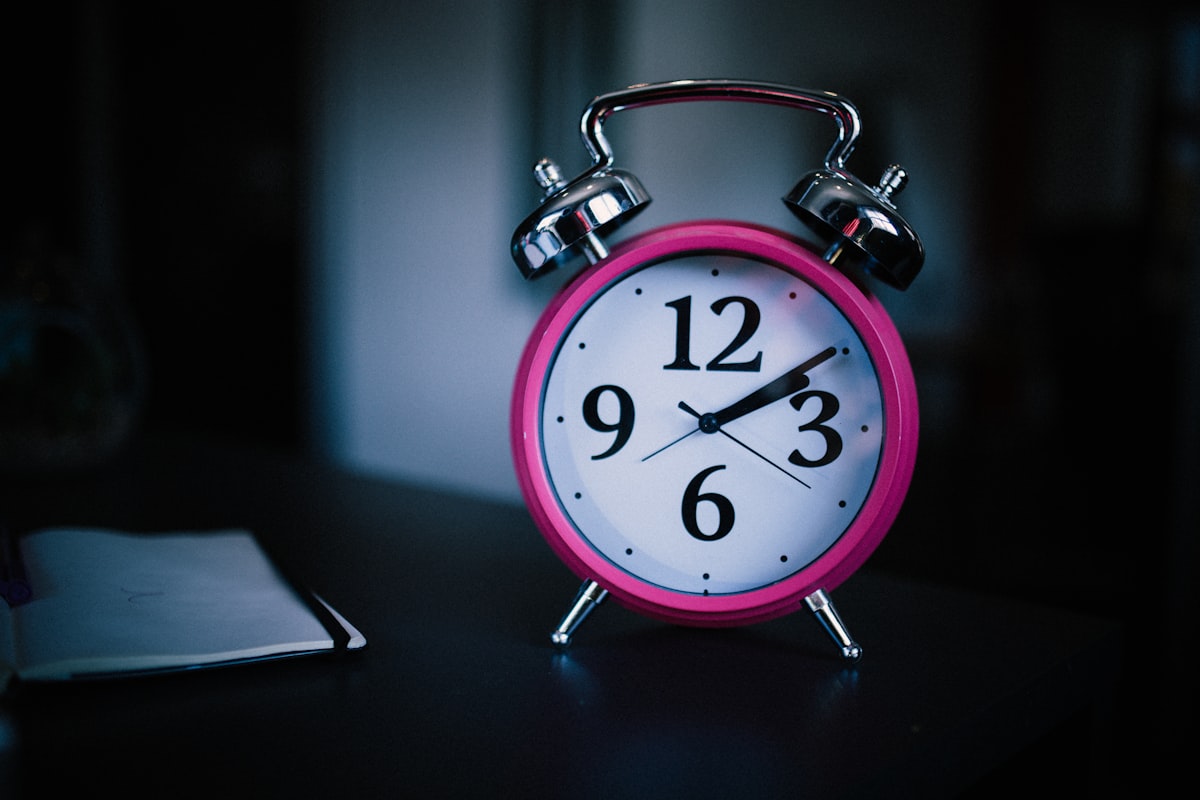
Waking without an alarm isn't willpower, it's training: a fixed anchor wake time, morning light, and enough sleep pressure. Most people get there in a few weeks.

Sleep in your 60s gets lighter and earlier, and none of that makes it unfixable. What changes with age, what doesn't, and the fundamentals that still move margins.
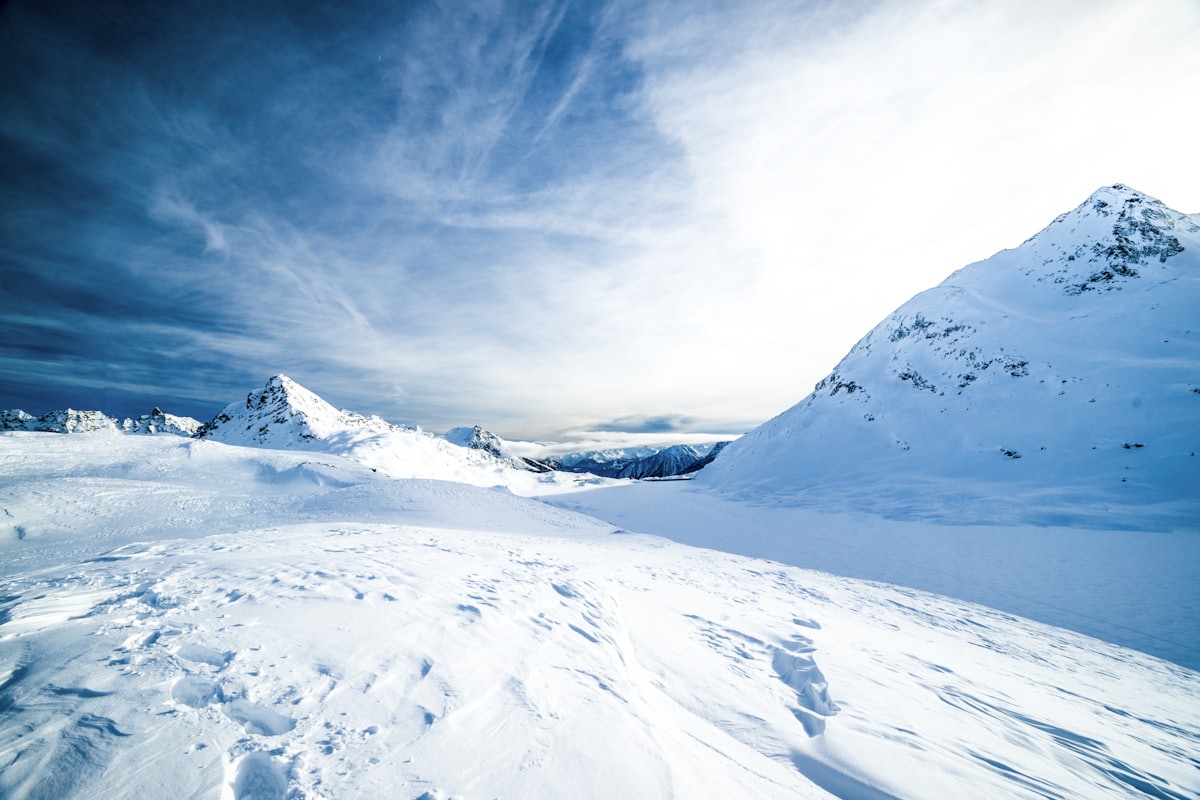
Winter blues light therapy starts free: outdoor morning light, 30 to 40 minutes on gray days. What works, what a light box adds, and the honest limits.
Sleep in your 50s gets lighter and earlier, and hormones move the rules. What's normal, what's fixable, and why old is not a diagnosis.
An anchor wake time is one fixed rising point, kept within an hour daily. Here's what it does to your body: pins light, sleep pressure, and clock to a reference.
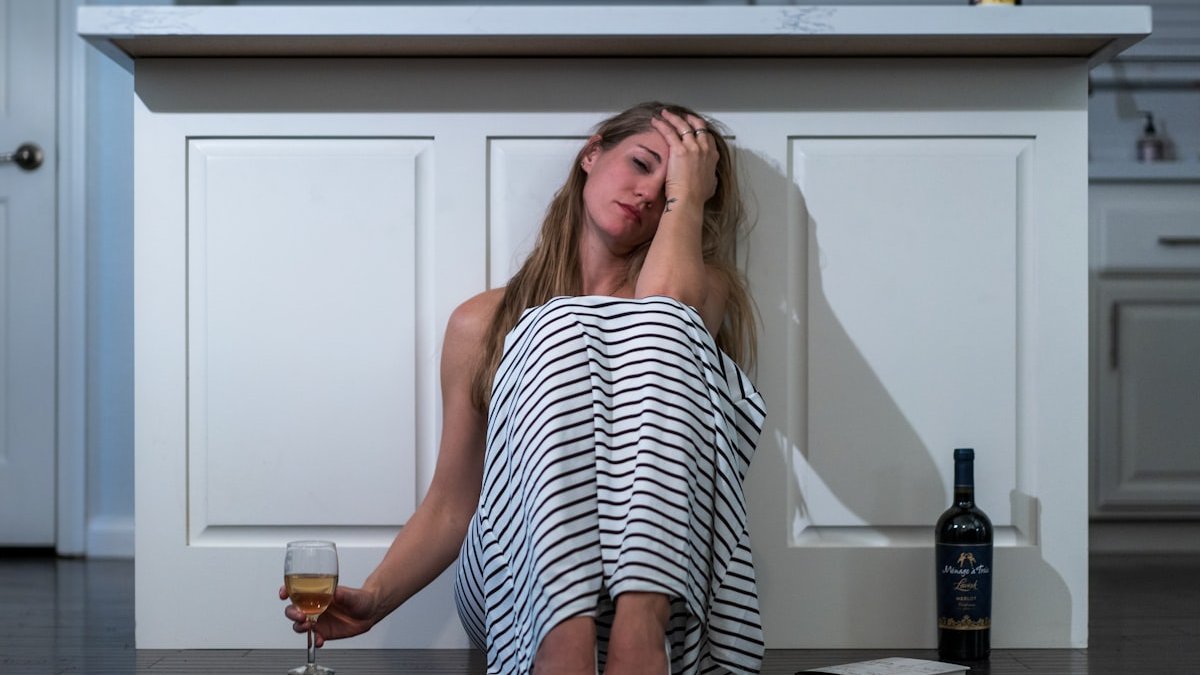
Why alcohol wakes you at 3am comes down to timing: the sedation clears while sleep pressure is spent. How the rebound works, the wine experiment, and what helps.