Hormones & Sleep
Exercise Timing for Better Menopause Sleep
By Nora Vale · July 14, 2026 · 6 min read
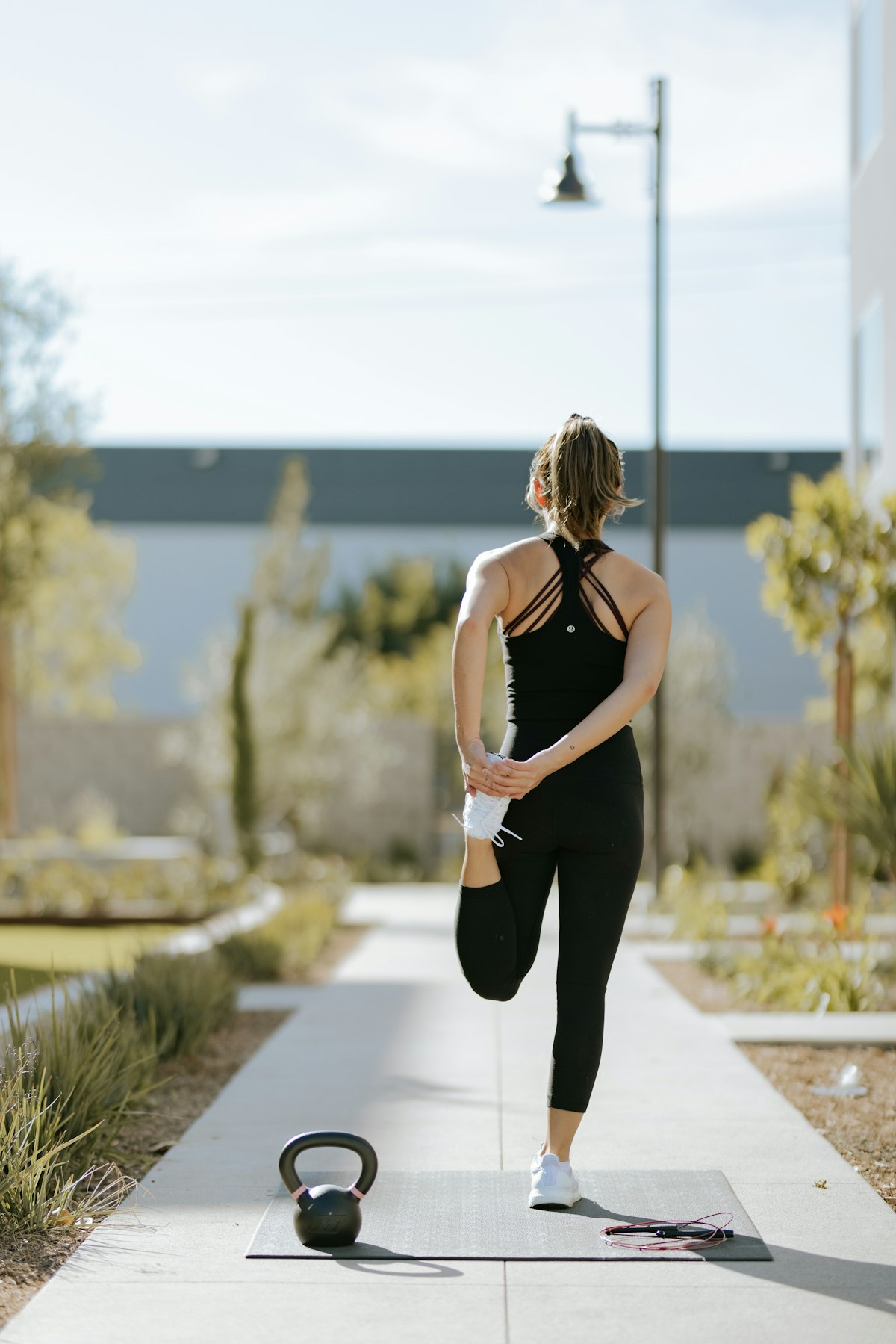
If there’s one habit that earns double pay in the menopause decade, it’s movement. It deepens sleep, steadies the mood that the thin-sleep weeks fray, and works on the weight changes that worsen both flashes and apnea risk. And if there’s one way to waste that double pay, it’s timing the movement wrong, because exercise menopause sleep advice has a catch: exercise heats the body, and heat is the thing this decade’s nights are already fighting. The habit helps. The slot decides.
The hormones and sleep guide treats the fundamentals as the workhorse of the whole chapter: “a fixed wake time, morning light, an early caffeine cutoff, a real wind-down, and a scheduled worry window are doing part of the calming job that progesterone used to do for free. None of it is a hormone. All of it still counts.” Movement belongs in that stack, and this post is about where it fits.
Key takeaways
- Regular moderate exercise is one of the few levers that helps sleep, mood, flashes, and weight all at once.
- Morning movement with daylight is the strongest slot: sleep pressure, fixed wake, and clock-setting light in one.
- The two to three hours before bed are the risky slot: exercise heat lands on a system that needs to cool.
- Log whether your flashes track your workouts, because the answer is personal and the log is the only honest test.
- On bad-sleep mornings, move gently and keep the habit rather than skipping entirely.
Why movement matters more in this decade
The general benefits of exercise for sleep hold at every age, and they’re covered at does exercise help you sleep and how 30 minutes of exercise improves your sleep. What makes the menopause decade different is the stacking: sleep is thinning from the hormonal side, so everything that deepens what remains matters more; flashes are heat events, so the fitness and weight effects that reduce their frequency pay off nightly; and mood has a harder month than it used to, which exercise steadies as well as anything on the shelf.
There’s also the long game, and the book’s honest reason to care: apnea risk rises after menopause, and weight is one of its mechanical drivers. Exercise doesn’t make anyone immune, and I won’t pretend it does, but it’s one of the few interventions that works on the same side as the airway rather than against it. Why menopause raises your sleep apnea risk covers the mechanism, and the movement habit is part of the honest response to it.
The timing question, answered honestly
Exercise raises your core temperature, and your body uses a falling temperature as part of its sleep-onset signal. That’s the physics underneath the timing advice, and it cuts both ways in this decade.
Morning is the strongest slot, and it wins for three stacked reasons. It builds sleep pressure early, which the thinning night needs. It anchors the fixed wake time, the single most stubbornly useful habit in the whole book. And when it happens outdoors, the daylight gets to your clock at the hour that helps, making the morning walk or swim a two-for-one that the book’s method specifically prizes. Morning exercise plus light: a double win for your clock covers that pairing, and best time to exercise for sleep runs the general comparison.
Late afternoon and early evening are fine for most people, and if that’s the slot your life allows, it’s a good one. The slot to handle with care is the two to three hours before bed. A workout there loads your body with heat and activation at the exact hours it needs to drop its temperature for sleep, and in a decade where the night already heats itself without permission, that’s stacking the deck. If evenings are the only slot you have, keep the session moderate, finish with a genuinely cool-down, and make the room colder than usual to compensate; the evening version of the argument lives at can I work out at night and hiit before bed: too stimulating or just fine.
One honest note about the warm shower trick, because it interacts here: the book’s advice is a warm shower one to two hours before bed, which works by drawing heat to the skin and then letting your temperature drop afterward. Exercise heat doesn’t come with that drop built in, which is why the shower helps and the workout doesn’t, despite both feeling warm.
Flashes and workouts: log it, don’t guess it
Some women notice flashes clustering around intense exercise sessions; some notice the opposite, that regular movement reduces their flash frequency over time, which matches the research’s general direction. Both reports are honest, and the difference between them is personal, which makes this a log question rather than a doctrine question.
The trigger log the book teaches, one line every morning about yesterday, catches this easily: note the workout, its intensity, and whether flashes followed. Two weeks of that answers the question for your body, not the average body, and it’s the same notebook method that caught Christine’s curry. If your flashes do track hard sessions, the fix isn’t quitting movement, it’s timing, intensity, and the cool-down: moderate sessions, a cool recovery room, hydration, and the shower-timing trick above. Does caffeine make hot flashes worse covers the other trigger that hides in gym bags, by the way, because pre-workout caffeine at 5 p.m. is a double mistake for sleep.
Bad-sleep mornings: push, rest, or something in between
The menopause decade supplies plenty of mornings after flash-wrecked nights, and the workout question on those mornings deserves its own honesty. The book’s fundamentals answer is usually in between: move, but gently.
Movement and morning light rebuild the sleep pressure the flash night spent, and skipping the workout plus staying indoors plus napping long compounds a single bad night into a broken rhythm. But a heroic session on four broken hours is its own stress, and the injury risk of tired training is real. The in-between version: keep the appointment, lower the intensity, a walk instead of intervals, stretching instead of a heavy session, and let the habit carry the day. The full push-or-rest argument lives at exercising on bad sleep days: push or rest, and how to survive the day after a bad night covers the rest of the recovery.
One more honest caveat on night workouts, because shift workers and menopause overlap more than people think: if you’re exercising after an evening shift, night strength training: how to lift without losing sleep and why untimed evening work causes insomnia run the timing logic for the other side of the clock.
Honest limits
Exercise is not a menopause treatment, and this post shouldn’t oversell it. It improves the conditions, sleep pressure, mood, weight trajectory, flash frequency for many women, and it does not stop the hormonal transition or replace the cooling playbook on flash nights. The research on exercise and hot flashes specifically is mixed, with modest average effects and wide individual variation, which is exactly why the log matters.
And the timing rules are heuristics, not laws: some women sleep fine after evening exercise, and the only honest test is your own log against your own nights. If your evenings are the only slot and your sleep holds, the log just defended your schedule. Believe it over the paragraph.
Frequently asked questions
Does exercise help with menopause sleep problems?
Yes, on the evidence and in the book’s method: regular moderate movement deepens sleep pressure, steadies mood, and helps with the weight changes that worsen flashes and apnea risk. The catch is timing, because exercise heats the body and evening heat is exactly what this decade’s sleep doesn’t need.
What’s the best time to exercise during menopause?
Morning, ideally with daylight, is the strongest slot: it banks sleep pressure, reinforces the fixed wake time, and gets light to your clock while it helps. Late afternoon works too. The slot to be careful with is the two to three hours before bed, when a workout’s heat and activation land on a system that needs to cool down.
Does exercise make hot flashes worse?
During the workout, you’ll heat up, and some women notice flashes cluster around intense sessions. But regular moderate exercise is associated with fewer, milder flashes over time. The practical move: keep sessions moderate, cool the room you recover in, and log whether your own flashes track your workouts, because the answer is personal.
Should I work out on a bad-sleep morning after a rough flash night?
Usually yes, gently. Movement and morning light rebuild the sleep pressure the flash night spent, and skipping the workout plus staying indoors compounds the damage. Lower the intensity, keep the habit, and let the evening stay quiet. Push-or-rest deserves its own honest look.
The complete fundamentals that carry the menopause decade, light, movement, caffeine timing, wind-down, and the log, are in Sleep Finally.
This article is educational, not medical advice. For symptoms that disrupt life despite honest work, or before starting a new exercise program with health conditions, talk to a clinician.