Waking Up at 3 A.M.
Why Alcohol Wakes You at 3am: The Invoice Explained
By Nora Vale · April 2, 2026 · 7 min read
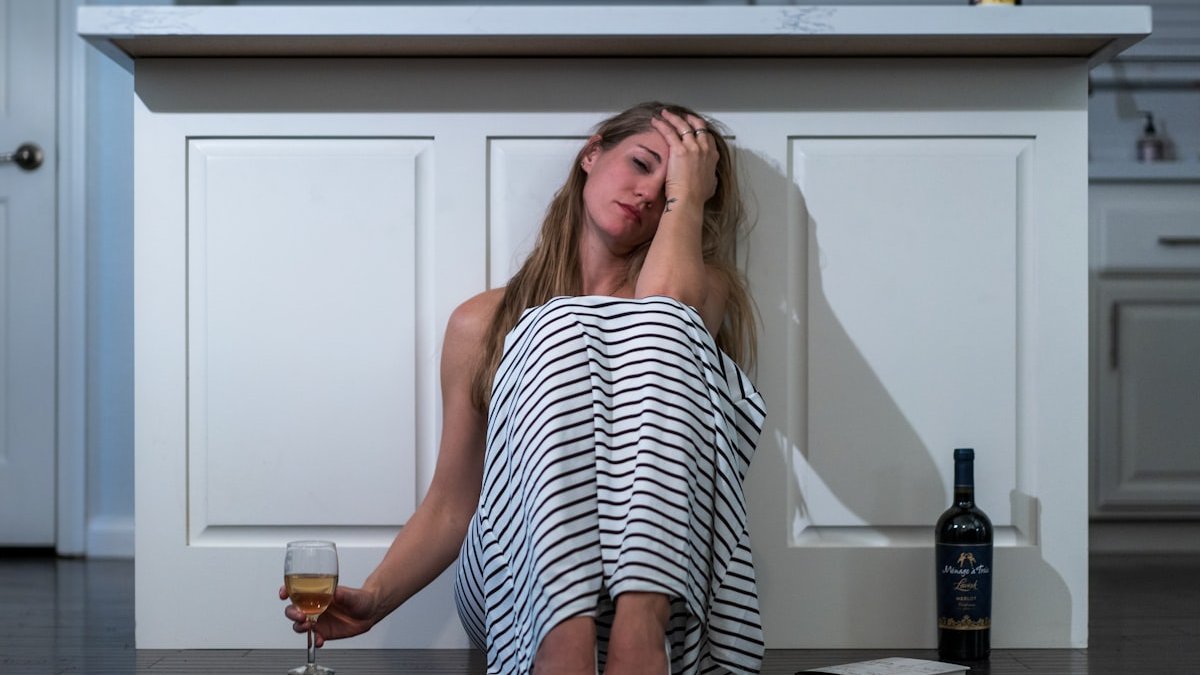
For years I read my 3 a.m. wake-ups as a mysterious personal failing. Something in me, something broken, something to fix with better discipline and a more grateful attitude toward sleep. They were substantially a glass of Merlot doing exactly what sleep researchers say it does. If you drink in the evening and snap awake in the small hours with a racing heart and skin that feels strangely warm, this is probably your post. The wider territory, clocks, phones, cortisol, the whole 3 a.m. machine, is in the waking up at 3am guide.
Key takeaways
- Alcohol is a sedative: it drops you into a heavy first half of the night you won’t remember, and that’s the half that gets all the credit.
- The bill clears as your liver processes the alcohol, usually three to four hours after the last drink, right in the shallow 2-to-3 a.m. stretch.
- A nightcap at 10 buys sedation at 10:15 and often a wide-awake 2:40, and that trade is predictable biology rather than bad luck or weak character.
- The wake-up itself isn’t the problem. What you do in the next twenty minutes decides whether it stays small.
- You don’t have to quit. Earlier, with food, less of it, or a one-week cut experiment will show you your own numbers.
The sedation you can see
Start with the half of the trade that works, because pretending it doesn’t would get this post dismissed in the first paragraph. Alcohol genuinely knocks you out. It’s a sedative, it reliably shortens the time it takes to fall asleep, and it drops you into a heavy, dreamless stretch early in the night. If you’ve ever fallen asleep faster after a couple of drinks, you weren’t imagining it. You were sedated.
Sedation feels identical to sleep from the inside. It looks identical from the doorway. The difference shows up later, and memory doesn’t record sleep quality, it records falling asleep and waking up. So the cost of the drink lands in the part of the night that ends up on the cutting room floor. You wake at 2:40 with no suspect list, because the evidence never testifies. It happened while you were under.
That’s why the nightcap survives. Half of it is true, and half-true is the most durable kind of true.
The invoice at 2:40
Then the liver clocks in. It clears alcohol at roughly one drink per hour, steady as a metronome and completely indifferent to your plans, which means the sedative that switched you off at 10:15 is substantially gone by two. What’s left is the rebound. Sleep turns shallow and choppy, awakenings multiply, your heart rate runs higher than it should, and the suppressed REM pushes back in as vivid, strange, often unpleasant dreams.
The timing is the cruel part, and it’s worth understanding why 3 a.m. specifically. By then your deep sleep is already banked, your sleep pressure is spent, and what remains is the lighter, REM-heavy half of the night, the shallow end of the pool. The rebound arrives precisely when sleep is easiest to fall out of. Cortisol, the alertness hormone, is also starting its slow climb toward its morning peak around then, so whatever wake-up the alcohol sets up lands with alertness chemistry already loose in the blood. “A nightcap at 10 buys sedation at 10:15 and often a wide-awake 2:40, and that trade is predictable biology rather than bad luck or weak character.”
I want to sit on that last clause for a second, because guilt is the worst possible reaction to this information and somehow the most common. The trade is biology. You didn’t fail a character test at 2:40. You ran a chemistry experiment without knowing you were running one, and the result was printed where you couldn’t read it.
What to do at 2:40
The wake-up is not the emergency. What you do with the next twenty minutes decides whether it stays a surfacing or becomes a two-hour argument with yourself. The clock check is the worst first move, because the instant you know it’s 2:47, the math starts, and time math fuels arousal. “You check for reassurance and get a bill instead,” and you’ve already had one bill tonight.
The phone is three problems in one rectangle: a light source aimed at your face, a feed engineered to be more interesting than sleep, and a job, because somewhere in that scroll sits an email you’ll feel obliged to have an opinion about. At 2:40, after wine, all three land at once. The better sequence is boring on purpose: no clock, no phone, and if you’re still awake past twenty minutes, up and out to something dull and dim somewhere else until real sleepiness returns. The full protocol lives in the post on what stimulus control actually is, and it works identically whether the wake-up came from Merlot or from nothing at all.
One expectation to set honestly. The night after a drinking evening, sleep pressure is on your side; the system self-corrects, and the next night usually runs deeper to collect what was missed. The mistake that wrecks the repair is the morning lie-in, which feels like repayment and works like a time-zone change. Up on time, daylight, a walk, no rescue coffee at noon, and bedtime at the ordinary hour rather than an 8:30 retreat into the bed that betrayed you.
The experiment that beats guessing
If your wake-ups cluster after drinking evenings, you have a cleaner experiment available than almost anything else in sleep: cut the evening alcohol for a week and keep a log. Waking times, how long you stayed up, how the morning felt. Nothing else changes. Seven days is enough to see the pattern either confirm or dissolve, and the log turns a vague complaint into usable evidence either way.
And if you have no intention of cutting anything, there are still stairs short of quitting. Move the drink to dinner, because one glass at seven with food clears substantially before the shallow stretch arrives. Fewer glasses, for the same reason; the liver clears about one per hour, so the dose sets the invoice size. Keep the ceremony and fire the chemistry, a warm mug in the same chair at the same hour, which is the move that worked for me and the full argument lives in the post on the nightcap myth. None of these stairs is a moral statement. They’re timing adjustments to a chemical process that doesn’t care about intentions.
The honest limit, because this would smell like an ad otherwise: not every 3 a.m. wake-up is alcohol, and if yours cluster on nights with no drinks at all, the wine isn’t your suspect. Caffeine, stress, a warm bedroom, and plain conditioning all bill at the same hour. The log is how you tell them apart, and if the wake-ups run three or more nights a week for three months or more, that’s the line where CBT-I with a professional beats any self-experiment.
Frequently asked questions
Why does alcohol wake you up in the middle of the night?
Because the sedative wears off while the night is still long. Your liver clears alcohol at roughly one drink per hour, and as it clears, sleep fragments, REM gets shoved around, and alertness chemistry drifts back in. The wake-up lands two to four hours after the last drink, which is exactly the 2-to-3 a.m. slot.
Doesn’t alcohol help you fall asleep faster?
Yes, and that’s why the trick works. Alcohol genuinely shortens time-to-sleep and even front-loads deep sleep early in the night. The cost lands later: a shallow second half, more wake-ups, and REM pushing back in as strange dreams. Sedation is not sleep.
How long after drinking will I wake up?
Usually within three to four hours of the last drink, which is why a nightcap at 10 often bills you around 2:40. The exact timing moves with dose, food, and your liver, but the pattern is predictable biology rather than bad luck.
Do I have to quit drinking entirely to sleep well?
No. Moving the drink earlier, with dinner, is a legitimate stair-step, and one glass at seven with food is a genuinely different biological event from two at ten on an empty stomach. A one-week cut experiment with a log will show you your own numbers before you decide anything.
Why does my heart race after drinking at night?
The rebound carries a stress-response signature: as the sedative clears, heart rate runs higher, skin can feel warm, and the shallow half of the night makes every surfacing easier to remember. It’s uncomfortable and it’s chemistry, not a verdict. If it happens most nights regardless of drinking, that’s worth a doctor’s visit instead of a self-diagnosis.
The chapter behind this post, including the Merlot years I’d rather skip, lives in Sleep, Finally. If tonight has a drink in it, move it to dinner and see what Thursday’s log says.
This guide is educational, not medical advice. If sleep problems persist most nights for three months or more, or drinking feels like something you can’t simply skip for a week, a doctor is the right door, no shame in that.