Morning Light & Sleep
Light Exposure and Melatonin: How Timing Runs Sleep
By Nora Vale · July 3, 2026 · 7 min read
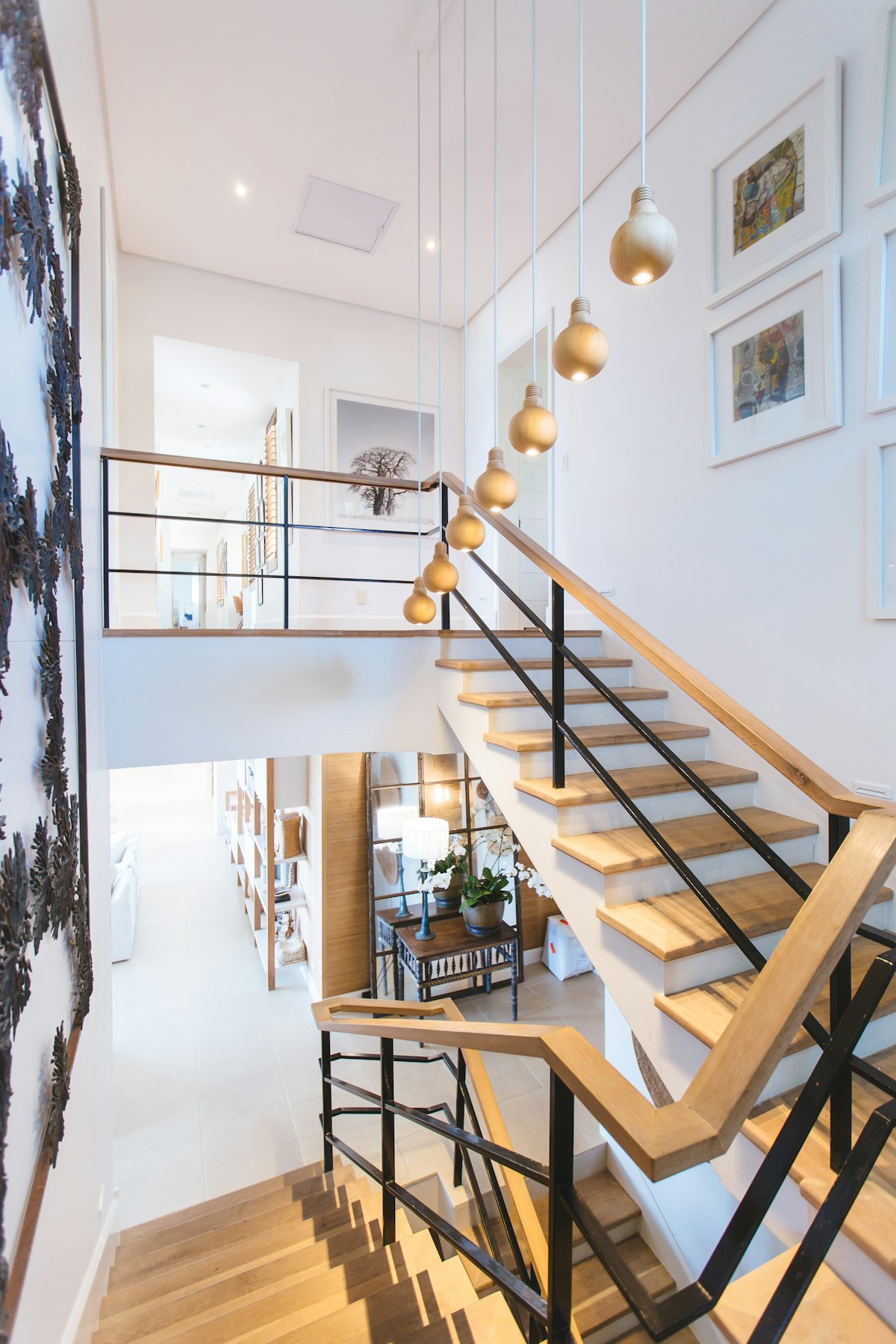
At 10:15 one night last spring I stood in the bathroom under the mirror light, brushing my teeth, feeling wide awake and vaguely betrayed about it. Nothing about that moment felt related to sleep. It turned out to be the single brightest light decision of my entire day, landing at exactly the wrong hour, and it took a grain-of-rice-sized gland to explain why.
The relationship between light exposure and melatonin is the most useful thing I know about bedtime that never looks like a bedtime topic. It explains the 10:15 mirror light, the porch coffee, and why your bedroom can be perfect and your nights still wrong. The wider picture lives in my guide to morning light and sleep, and the sibling posts on why office lights don’t count and whether light through a window helps cover the daytime dose. This post is about the hormone itself and the timing that runs it.
Key takeaways
- Melatonin isn’t a sedative. It’s a darkness signal your pineal gland releases when the light through your eyes gets low and stays low.
- The evening rise starts about two hours before your usual bedtime, and bright light during that rise tells the gland to hold it back.
- Morning light and evening light push the same clock in opposite directions, so daylight early buys you darkness late.
- The 10:15 bathroom mirror light is bright enough to argue with everything you did right after dinner.
The darkness hormone, briefly
Tucked near the middle of your brain sits the pineal gland, about the size of a grain of rice, and it spends daylight hours doing close to nothing. When the light reaching your eyes gets low and stays low, the gland starts releasing melatonin into your blood, and that single chemical message tells every organ you own that night is officially happening.
The distinction the supplement aisle buries is the one that matters. Melatonin isn’t a sedative. It’s a darkness signal, and the book puts it better than I will: “Melatonin doesn’t shove you into sleep. It unlocks the door, dims the hallway, and lets sleep walk in on its own.” In dim conditions the rise starts about two hours before your usual bedtime, give or take an hour, and sleep researchers call that moment the dim light melatonin onset, one of the cleanest markers of your clock’s timing. From there melatonin climbs all evening, peaks in the middle of the night, and fades to almost nothing by morning, a tidy mirror of the sun.
One correction while we’re here, because the marketing says otherwise: the gland reads light that arrives through your eyes, not your skin, so no sunbathing is involved anywhere in this system, and a ten-minute walk in regular clothes is a complete daytime dose.
Why morning light and evening light pull opposite directions
The clock behind your eyes runs slightly long on its own. In time-isolation studies, the Harvard teams running them kept finding free-running body clocks of about 24 hours and 15 minutes, which means your clock drifts later every day unless something resets it, and light is the reset. Sleep researchers call light signals of this kind time-givers, which may be the most literal thing they’ve ever named, and the asymmetry underneath everything practical is simple: morning light pulls the clock’s schedule earlier, evening light pushes it later.
The receptors your clock uses are most sensitive to the blue-ish wavelengths daylight carries in abundance, which is why a gray sky outdoors can outmuscle every lamp in your house, and also why a bright screen or mirror light at 10 p.m. isn’t the neutral thing it feels like. Light arriving during the evening rise tells the gland to hold the melatonin back, and the rise arrives late, and sleep arrives late with it. One widely cited Harvard experiment had people read on light-emitting tablets before bed, and their melatonin showed up about an hour and a half late, with next-morning grogginess riding along.
This is why the morning dose and the evening dimming are the same project, not two habits. My own version is unglamorous: coffee out the front door within ten minutes of waking, no phone, and after dinner the kitchen drops to half its lights and the living room runs on two lamps. On the nights I skip the porch, the evening lamps seem to argue harder.
Running the schedule on purpose
The daytime half is short. Get outside within an hour of waking for 10 to 30 minutes, 30 to 40 on gray days, stapled to the coffee or the school run, and the same ten minutes at noon is a lovely walk but not the same signal. That’s the whole morning prescription, and my friend Grace ran it by accident, because her anxious terrier demanded the driveway at 7:15 daily, and two or three weeks of sleet-included standing there had her falling asleep by 10:40 without changing anything else.
The evening half is the mirror. Dim the house after dinner, lamps instead of ceiling fixtures, the dimmest workable bulbs, one small pool of light per room, and watch the bathroom mirror in particular, because that 10:15 light I opened with was easily bright enough to argue with everything I’d done right since dinner. A 2022 international consensus of sleep and lighting scientists suggested keeping daylight-quality light at eye level under 10 lux in the final three hours before bed, which no household containing a teenager has ever achieved, so treat it as a direction, not a test. Every step toward dim is a step your melatonin can use.
And the morning half needs saying twice, because the two halves are one mechanism: light in your first waking hour does the heavy lifting for that evening’s rise. If you only dim at night and never feed the clock its morning, you’re half-running a schedule that runs on both ends.
The honest limits
The catch first: this runs on days, not nights. Melatonin timing follows the clock, and the clock shifts over about two weeks of consistency, so nothing dramatic happens on Tuesday and most people quit before the second Thursday. My own change took about two weeks to show up, on no specific night I could point to.
The second limit is scale. My house doesn’t go full 1850 at 8 p.m., and I won’t pretend otherwise, because children, dishwashers, and late deadlines all fight the dimming. We dim what’s easy to dim and let the trend carry it. And on the pill itself, I’ll stay in my lane: it’s a timing tool with real quirks, dosing is genuinely individual, and whether you need it at all is a question for a doctor, not for a post. The free version, morning daylight and evening darkness, is where the gland’s own schedule lives.
Frequently asked questions
How does light exposure affect melatonin?
Light hitting your eyes during the evening rise tells the pineal gland to hold melatonin back, delaying the darkness signal your organs are waiting for, and bright morning light does the opposite work by anchoring the clock so the next rise starts on time. The hormone follows the clock, and the clock follows light.
Does morning light increase melatonin?
Not directly, and the confusion is understandable. Morning light suppresses nothing because your melatonin is already near zero at 7 a.m. Its job is scheduling: daylight in the first waking hour pulls the clock earlier, which decides when tonight’s rise begins. Today’s daylight is tonight’s on-time melatonin.
What is dim light melatonin onset?
It’s the moment your melatonin starts climbing under dim conditions, about two hours before your usual bedtime, give or take an hour, and researchers use it as one of the cleanest markers of your clock’s timing. Evening bright light pushes it later, which is why the last three hours before bed matter more than they feel like they do.
How much light is too much in the evening?
A 2022 international consensus suggested under 10 lux of daylight-quality light at eye level in the final three hours before bed, a stricter standard than any real household with children or teenagers will ever meet. Treat it as a direction: lamps over ceiling fixtures, dimmest workable bulbs, and special suspicion of the bathroom mirror.
Should I take melatonin pills instead?
That’s a doctor conversation, not a blog verdict. The pill is a timing tool with real quirks around dose and timing, and it’s easy to take it in a way that fights your clock rather than helping it. Morning daylight and evening darkness hand your gland the schedule it already knows how to run, for free.
This guide is educational, not medical advice. If sleep problems persist most nights for three months or more, a doctor is the right door.
Tonight, the mirror light goes off before the arguing starts.