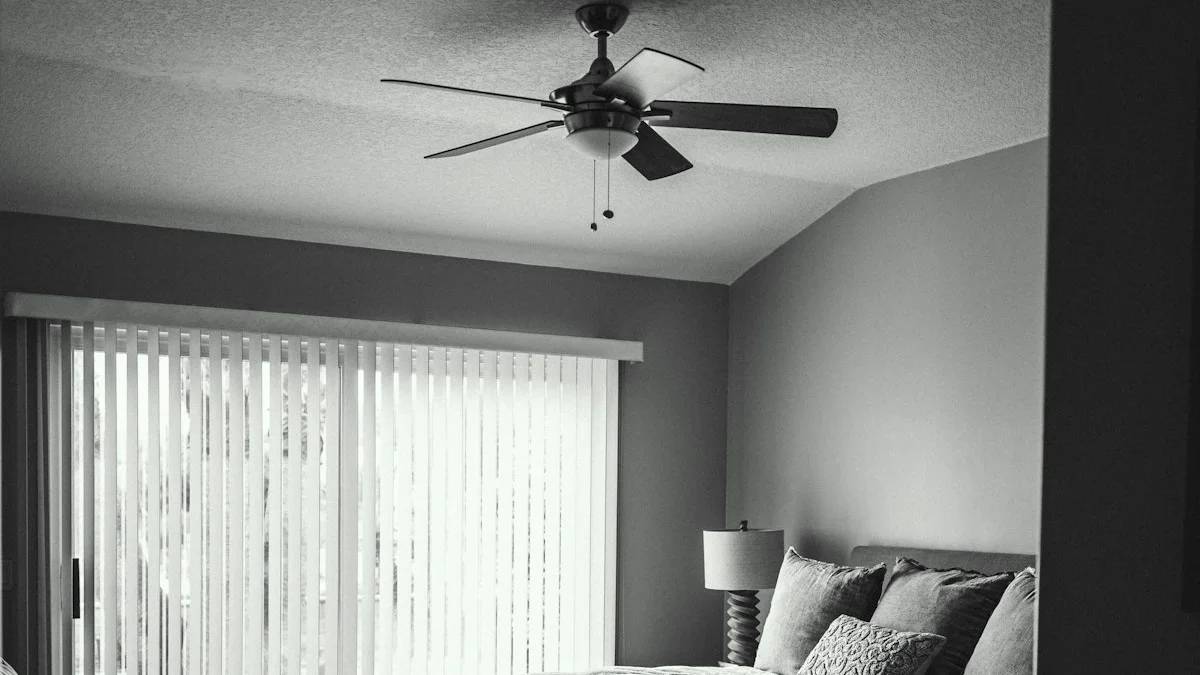
Racing Mind at Night
Alarm Clocks Without Blue Light: What to Look For
By Nora Vale · February 23, 2026 · 9 min read
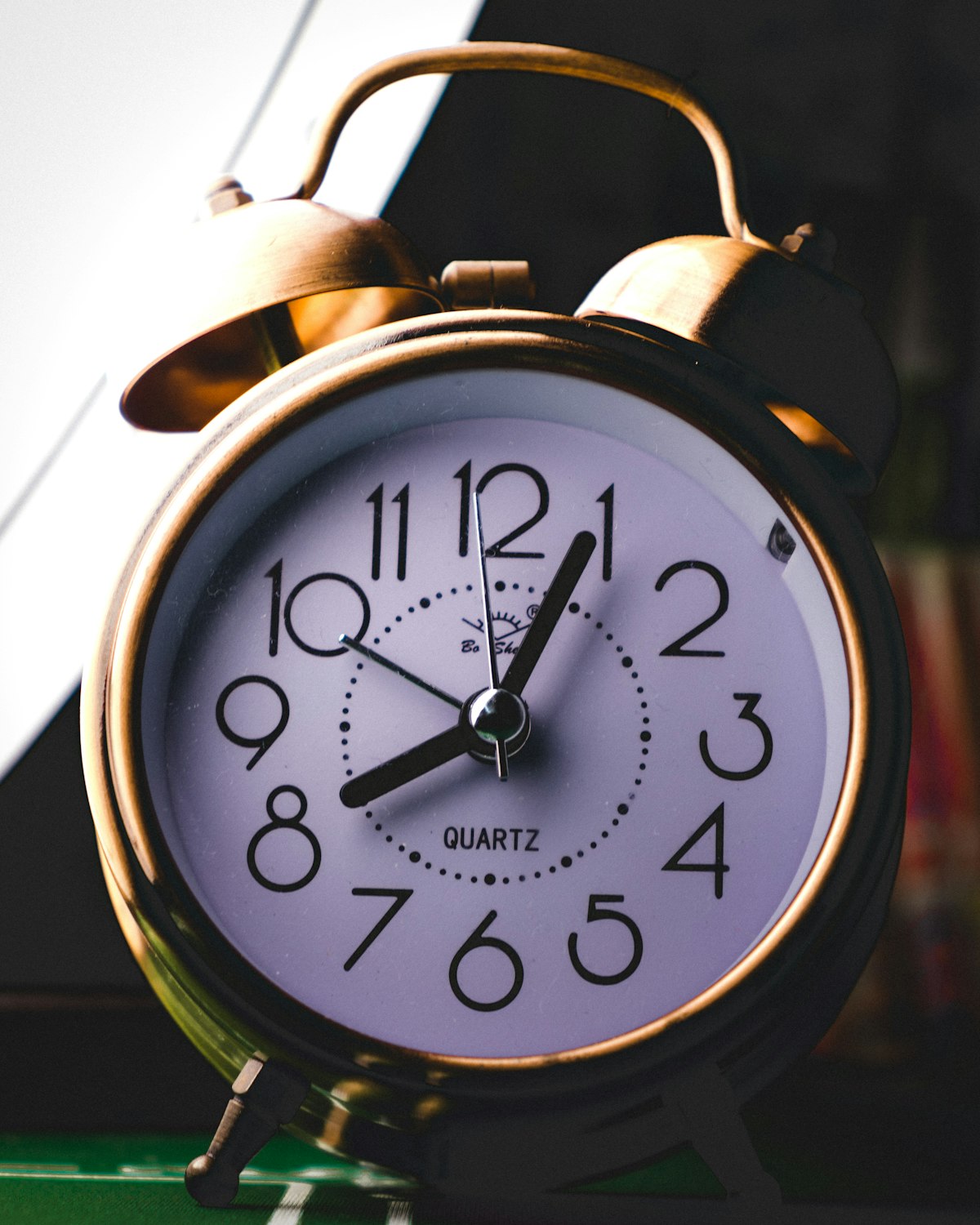
The first night my phone charged in the kitchen instead of on the nightstand, my hand went out at 10:15, out of habit, and closed on a lamp. For a second I felt oddly naked, like I’d left the house without my keys. That part worked. The next evening I went shopping for alarm clocks without blue light and found the aisle working against me: every box glowed, blue digits, green digits, a cyan ring, all of it sold as a feature, all of it a smaller version of the thing I was removing from my bedroom.
Here’s the checklist that survives, and it’s shorter than the aisle makes it look. If the phone just moved out of your bedroom, the clock is the last piece of hardware in the arrangement, and the cheapest by a factor of ten. The mind side of that first week, the reaching and the racing, lives in the racing mind at night guide. This post is the aisle.
Key takeaways
- The display is the spec: digits that dim low or go dark, in red or amber, not blue-white.
- No standby LEDs, no secondary glow, real buttons you can set in the dark without an app.
- Ten to thirty dollars covers it. The two-hundred-dollar smart clock sells you light at exactly the wrong hour.
- The zero-dollar version is electrical tape and a folded sticky note on the clock you already own.
- The clock is the smaller half of the win. The phone leaving the bedroom is the win.
What alarm clocks without blue light actually need to do
Start with the job description, because it has three lines and none of them involve light. Light is the part to shop against. If the phone itself hasn’t moved out of the bedroom yet, start there; the phone-as-alarm problem covers that argument. A clock wakes you once, at the hour you chose, with a sound that reaches you wherever you’ve parked it. It declines to show you the time at 3 a.m., which is a service rather than a missing feature. And it adds no glow of its own, because photons arriving after dark tell the ancient timing equipment in your brain that the day is still running.
The book’s version of the purchase is blunter than anything on a spec sheet: “The highest-yield screen rule I know, the one that changed my nights more than any glasses, app, or setting, costs about ten dollars. You buy a real alarm clock. The phone stops sleeping next to you.” It never says buy a better light. It says you need less of one, which is the entire spec.
What to look for before you pay
Display first, because the display is the whole ballgame. You want digits that dim low or turn off entirely, in red or amber rather than blue-white, because a bright blue-white display running at full power in a dark room at eleven at night is the exact problem you just spent three years sleeping next to. In the store, ask to see the clock powered on, cover the light sensor with your hand if it auto-dims, and read it from across the aisle at the lowest setting. Bright is how they ship. Dim is the setting that matters. Many clocks let you turn the display off entirely while keeping the alarm armed, and that setting alone is worth the purchase.
Then the secondary lights, the ones spec sheets never mention. Standby dots, charging indicators, a colon that pulses on the hour, a night-light ring some designer thought was friendly. Stand it in a dim corner of the aisle the way your bedroom would see it: powered, dark room, eyes adjusted. Then the buttons. Real buttons, settable by hand, because a companion app means the clock needs your phone nearby, and your phone nearby is the arrangement we’re dismantling. An alarm you can arm by feel in the dark is the entire user interface I want.
Price last. It’s the easiest check. Ten to thirty dollars covers every clock that passes the tests above, and the ten-dollar drugstore version passes most of them without trying. The alarm sound matters less than the packaging suggests: a buzzer loud enough to reach you across the room, or a ramp that starts gentle and builds, either one is fine. What you’re shopping for is the absence of features, and absence is the only spec that keeps working after the novelty wears off.
The sunrise alarm, the sleep score, and other upsells
The upsells come next. First the sunrise alarm, the popular opposite of this post. A sunrise feature adds light at the end of the night, on a timer, in a room you just spent this post learning to keep dark. The case behind it is real: morning light genuinely moves your body clock, but the dose that does the moving comes free through your eyes from actual daylight. I make that argument, along with the narrow case where a ramp earns its price, in the sunrise alarm clocks review. For this purchase, the sunrise feature is a light leak with a price tag.
Then the sleep tracker. It’s the upsell I’d skip harder. A clock that scores your night hands you a verdict every morning, and a verdict is a ritual you perform, not a measurement you can act on. The book’s line about reassurance applies here too: “You check for reassurance and get a bill instead.” A cheap clock can’t score you, can’t nudge you, can’t send your data anywhere, and that inability is the feature list. The two-hundred-dollar smart clock is a tablet that wakes you, and it reintroduces, at bedtime, the exact screen this purchase was supposed to remove.
The zero-dollar version: tape and a sticky note
If the budget says no this month, the clock you already own qualifies for half the checklist tonight. Half the checklist costs tape. The book’s version runs about two dollars and takes ten minutes: “Electrical tape over the router light, a folded sticky note on the clock face, a small square of masking tape over the television’s standby eye.” A sticky note is a dimmer with better ergonomics than any dimmer button, because it dims to zero and requires no settings menu.
My husband thought the taped-over router looked ridiculous for about a week, and then he stopped noticing it, the way you stop noticing everything once the room is actually dark. Guests don’t judge your bedroom at midnight. They aren’t there. The same goes for the shabby clock with a sticky note on its face: it wins on function against every beautiful clock that glows, for the price of stationery.
The honest limits
Now the limits, because the aisle never states them and the box never will. A quiet, dim, button-operated clock will not fix a mind that’s still scrolling until midnight. If the feed gets your last hour, the clock is furniture, and upgrading furniture is how people feel productive about a problem they haven’t touched. The phone is the win. The clock just holds the alarm job it left behind, and the phone only stays gone if the hour it used to fill gets something duller in return; the mechanics are in the guide to charging your phone outside the bedroom.
Second limit: even a clock you can’t see can cost you the night, because the 3 a.m. math doesn’t need light to run, it needs a face you can read when you roll over. So face the whole thing at the wall regardless of what you buy, and if you’re still turning numbers over in your head a week later, how to stop checking the time at night is the follow-up that matters more than any clock. If the wake-up sticks anyway, the problem isn’t the hardware anymore. That’s where the mind tools take over; the structured version lives in the guide above. A clock that passes every test in this post and still leaves you staring at the ceiling hasn’t failed. It was never the whole problem.
Frequently asked questions
Do alarm clocks without blue light even exist?
They do, and they’re usually the cheap ones. Look for digits that dim low or turn off, a face with no standby lights, and no app. Anything marketed as a smart clock usually glows by design, which is why the boring end of the aisle is the blue-light-free end.
What should I look for in an alarm clock without blue light?
Display first: dimmable or dimmable-to-off digits in red or amber, checked at the lowest setting in a dark aisle. Then no secondary LEDs, real buttons that work without an app, a buzzer that reaches you across the room, and a price between ten and thirty dollars.
Is red light really better than blue at night?
Red and amber are the safer defaults for a display you can’t avoid, and bright blue-white is the worst case, but the honest ranking is dimness first, color second. A dim display in any color beats a bright one in a warm color, which is why the dim-to-off setting matters more than the digits’ hue.
What about sunrise alarm clocks and sleep scores?
I’d skip both for this purchase. A sunrise feature adds light at the end of the night instead of removing it, and a sleep score hands you a morning verdict you can’t act on. The narrow exception for the sunrise ramp, and when it earns its price, is covered in the sunrise review linked above.
What if I can’t spend anything right now?
Tape and paper. Electrical tape over every standby light, a folded sticky note over the clock face, and the display turned away from the bed. That’s the zero-dollar version of this whole post, and it beats every clock still sitting in an online cart.
The clock costs less than the dinner you’ll eat while it ships, and the checklist fits on the back of a receipt: dim or dark digits, no standby glow, real buttons, under thirty dollars, nothing smart. The rest of the system, the parts that make a quiet room work on a mind that won’t stop, is in Sleep, Finally. Buy the boring clock. Then stand in your own dark bedroom at midnight and see what else glows, because the room is the other half of this conversation, and why your bedroom should be dark covers it.
This guide is educational, not medical advice. If sleep trouble persists most nights for months, a doctor is the right door.