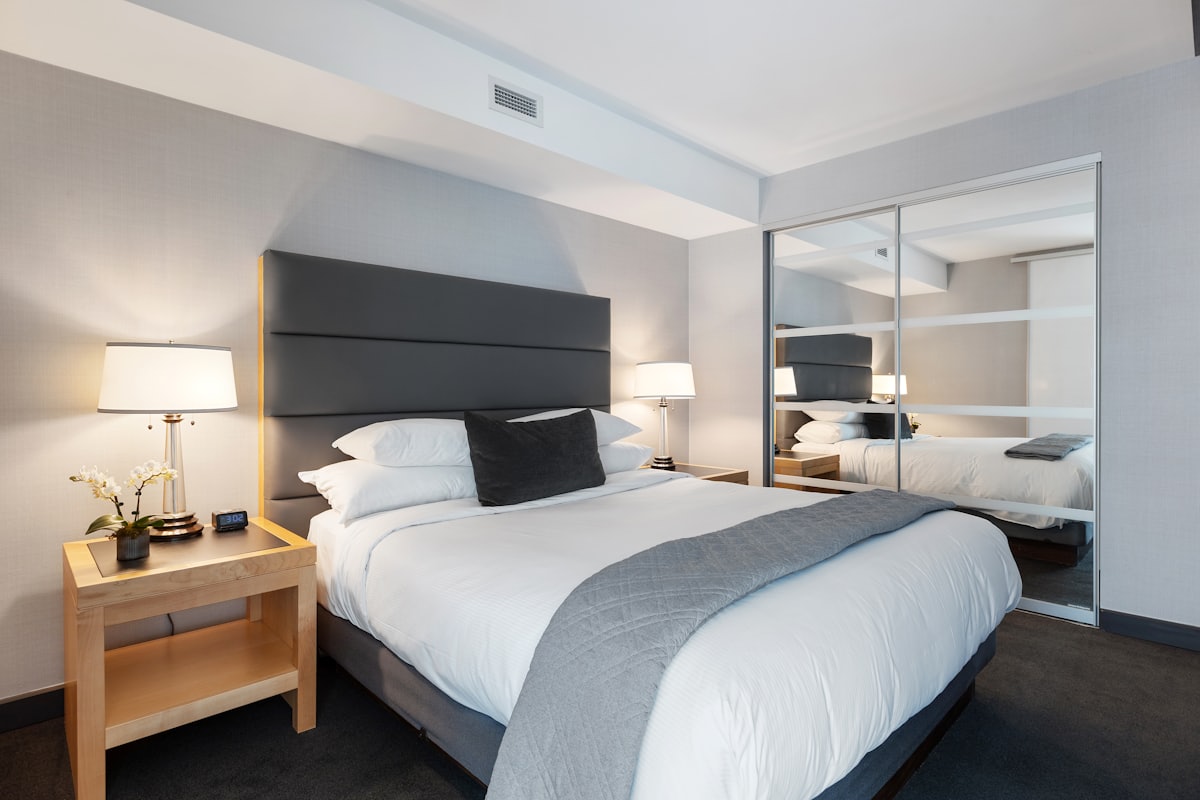
Luteal Phase Sleep Problems: The Week Sleep Skips
Luteal phase sleep problems have a mechanical cause: after ovulation, your core temperature rises and progesterone falls. Here is the week plan that works with it.
Luteal phase sleep problems have a mechanical cause: after ovulation, your core temperature rises and progesterone falls. Here is the week plan that works with it.

Period week insomnia is mechanical: temperature rises, progesterone drops, and sleep thins for a few predictable nights. Here's the plan for those nights.
Night sweats cooling tips for the moment you wake drenched: the two-minute recovery, the room setup that prevents it, and the trigger log that finds your pattern.

Real help for menopause sleep problems: the cooling playbook, a two-week trigger log, and the quiet progesterone piece no fan can fix. No miracle claims.
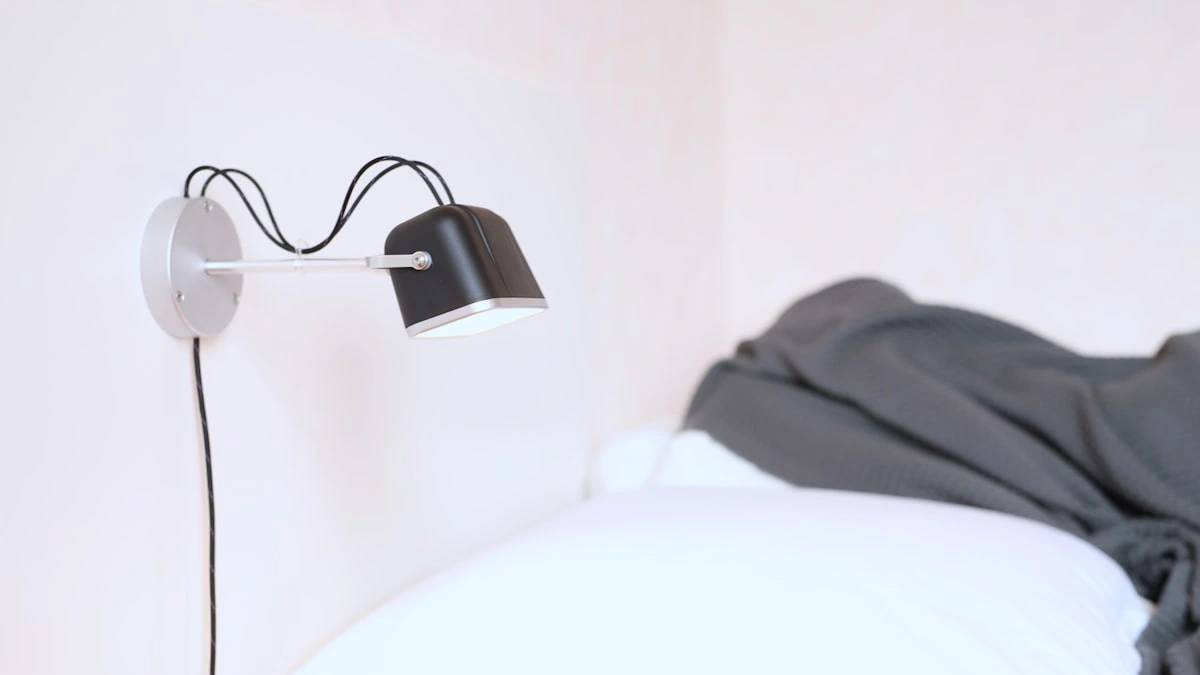
Sleep hygiene perimenopause advice keeps failing and it isn't your fault. Why the standard rules stop working in your forties and what actually moves the needle.
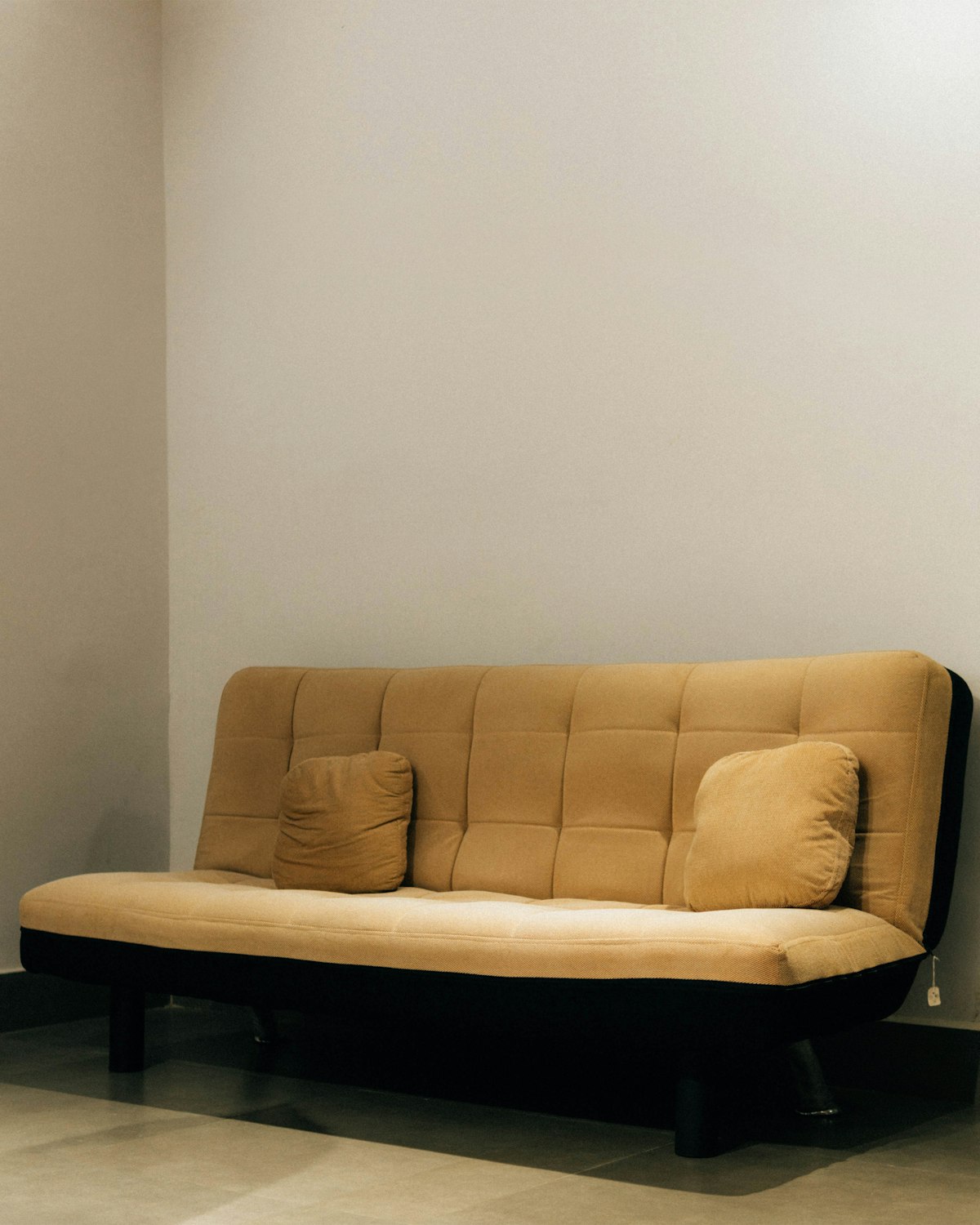
Napping in midlife takes different rules than it did at twenty-five. How to keep a short daytime nap from stealing the night you already sleep thinly.
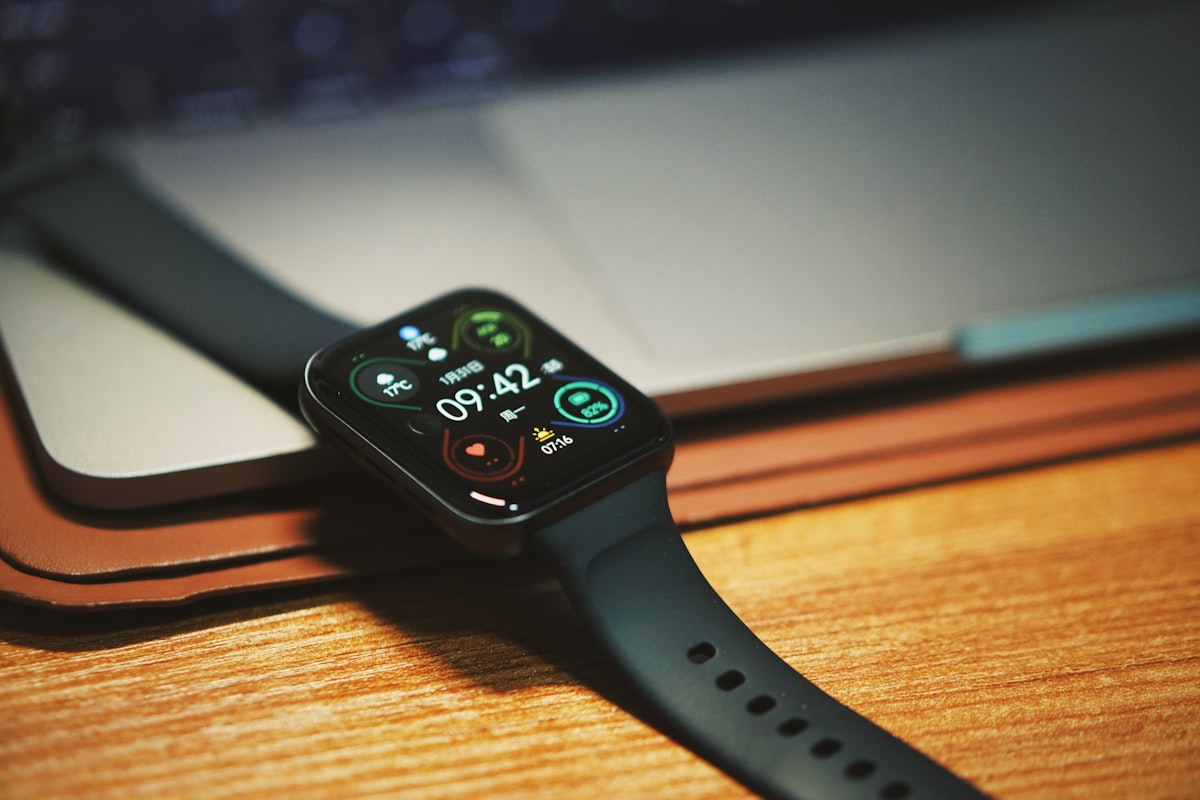
A sleep tracker can show cycle sleep changes in duration and wake count, but not hormones. What wrist data reveals across your cycle, and where it fails.

Exercise and menopause sleep help each other, but timing decides whether movement cools or heats the night. Why morning works and how evening backfires.
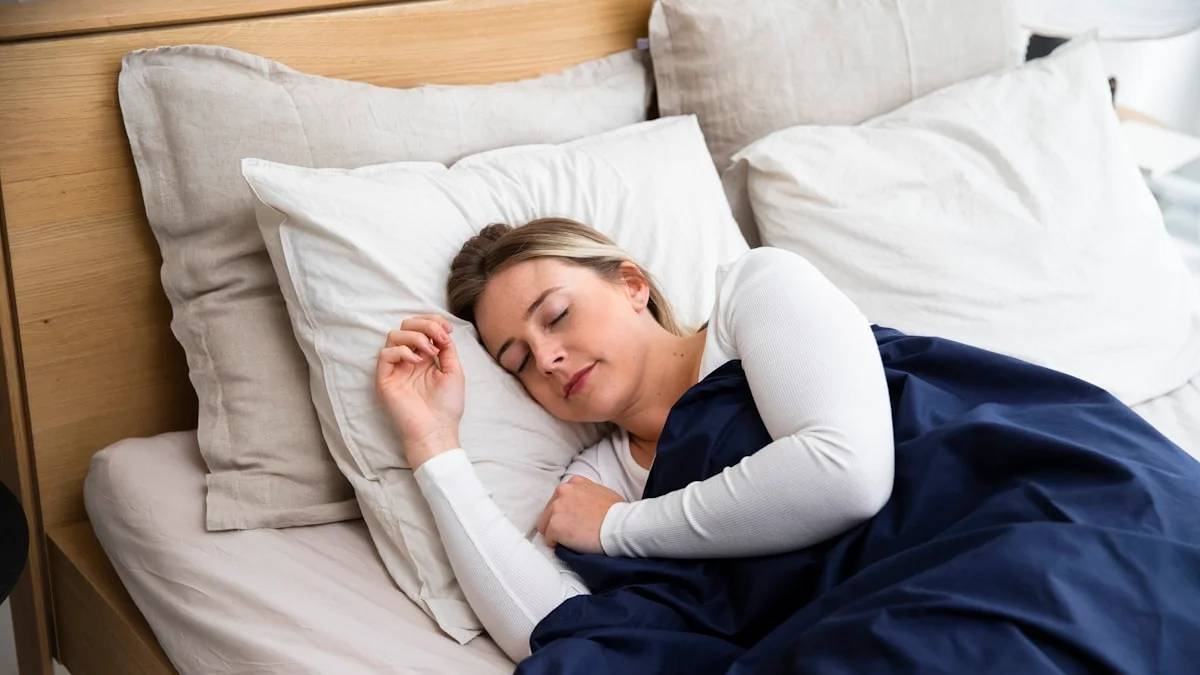
Menopause sleep apnea risk rises as progesterone and estrogen fall: airway tone, weight shifts, and symptoms misfiled as insomnia. What to watch for.

Night sweats when to worry: most are hormonal, but some signal infection, thyroid trouble, or something needing a clinician. The signs that end the self-help phase.