Hormones & Sleep
Why Sleep Hygiene Fails in Perimenopause
By Nora Vale · August 3, 2026 · 7 min read
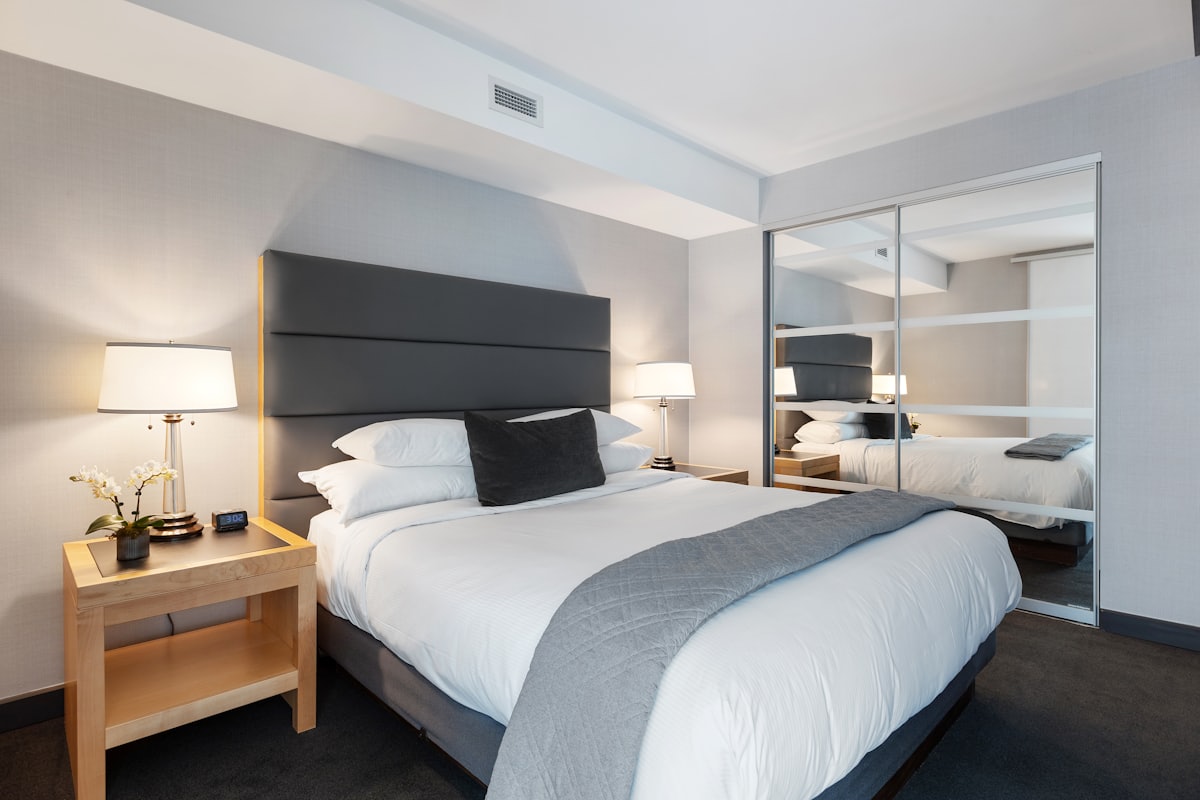
The room was perfect. Sixty-six degrees, blackout curtains, screens off at nine, magnesium, the whole checklist, laminated in my head since my thirties. And I still woke at 2:20 in a soaked t-shirt, lying in the dark doing arithmetic about the alarm. That was the night I stopped blaming my routine, because a routine that perfect doesn’t leave this much wreckage. If you’re running flawless sleep hygiene in perimenopause and sleeping like a night nurse anyway, this post is for you. The full backdrop of what changes in these decades is in the hormones and sleep guide.
Key takeaways
- Sleep hygiene perimenopause advice fails for a structural reason: part of the disruption is chemical, and conduct can’t patch chemistry.
- Falling progesterone can worsen sleep independently of hot flashes, which is why a perfectly cooled room sometimes isn’t enough.
- The fundamentals still work, they just stop being sufficient, and that distinction changes what you expect from them.
- A two-week trigger log separates the part you can manage from the part you can’t.
- If months of honest effort leave sleep broken, that’s a conversation for a doctor, not a personal failure.
The routine was never the whole problem
Here’s the trap, and I fell into it with both feet. Sleep hygiene advice is written as if sleep were a conduct problem, and for years, for most people, it largely is. Then perimenopause arrives and rewrites the terms, and the same advice that carried you through your thirties starts producing diminishing returns, and the only available explanation feels like you got worse at it.
You didn’t. Two things are happening at once in these years, and they need separating. The loud one is thermal: hot flashes and night sweats that yank you to the surface, most commonly in the forties as the road to menopause runs its course. Roughly 40 to 60 percent of women report sleep problems across the transition, per the Menopause Society’s own cohort data, and most of it ties back to those two.
The quiet one is the part the fan can’t touch. Progesterone, one of the two hormones steering the cycle, has mild sleep-promoting properties of its own, and researchers have found its decline in perimenopause can worsen sleep on its own, flash or no flash. One of the body’s own gentle sedatives tapers off slowly, without announcements. “Nobody lies awake at 3 a.m. thinking, my progesterone is falling.” You blame the mattress instead. Or yourself.
Why the same rules suddenly cost more
The rules didn’t stop working. The margin did. A fixed wake time, morning light, an early caffeine cutoff, a wind-down, a cool dark room, all of it still moves sleep in your forties, and the argument that hygiene is worthless here is wrong and I won’t make it.
What changes is what each habit has to carry. In your thirties, a wind-down was finishing touch on a system that hummed along mostly by itself. In perimenopause, the same wind-down is doing part of the calming job that progesterone used to do for free, on a night that’s also being interrupted by flashes, on a body running with less slack overall. Same tool, heavier load. Naturally the results look thinner, and naturally that reads as failure if you don’t know the load changed.
The fix for the expectations is cheaper than the fix for the sleep. Lower them on purpose. If the boring work delivers a decent night four nights out of seven where it used to deliver seven, that’s the method holding the line it can hold, not the method breaking. Careful is doable. Perfect was never on the table anyway.
What to actually do about the loud part
The thermal half responds to the cooling playbook, and it’s worth running properly before deciding hygiene has failed. The room goes to the bottom of the 65 to 68 degree range, because a body that surges at random needs a low place to surge from. Bedding goes layered, sheet, light blanket, comforter you can shed in stages, one foot out first. A fan within arm’s reach. Fabrics that wick moisture, synthetics or merino, because cotton holds the sweat against you and makes you peel it off at three.
Then the log, which outperforms everything above and costs nothing. Hot flashes have triggers, alcohol and spicy food chief among them, and the list is maddeningly personal, which is why guessing fails and note-taking doesn’t. Fourteen days, one line each morning about the day before: what you drank, how spicy dinner was, whether anything hot came after eight, and when any flash struck. “Fill it in for fourteen days, not seven. Weekly patterns need two cycles before they’ll confess.”
I’ve watched this reroute a woman’s whole week. Christine, 47, spent six months playing detective from memory and concluded she had no pattern, which is the exact conclusion memory produces. Two weeks of one-line notes showed her flashes clustering after her Tuesday curry and Friday salsa-and-beer like it was her own handwriting testifying against her. Wine moved earlier and smaller, curry became a Saturday lunch, and the flashes thinned enough that she stopped dreading lights-out. The full cooling setup is in my night sweats cooling tips post.
The honest limits of hygiene here
Now the boundary, drawn plainly. “Self-help can retrain a wind-down, retune a bedroom, and re-time a body clock. It cannot open a closed airway, quiet restless legs, or treat depression,” and I’d add, from the same chapter of the same book: it can’t read your hormones either. The log finds patterns beautifully, and it can’t tell you whether the pattern is perimenopause, a thyroid going its own way, or a medication’s side effect. That distinction lives in blood work and a clinician. Notebooks record. Labs read. I can’t.
There’s also a limit on the tactics themselves. The cooling playbook works and doesn’t work completely. It can turn five drenching wake-ups into two. It can’t erase them, because no fan stops a chemical event from starting, and a method that pretended otherwise would be a brochure, not a book. If your target was zero wake-ups, the target was wrong, not the method.
And if the quiet thief is doing most of the damage, progesterone’s slow withdrawal, the honest ceiling arrives sooner. There are well-studied medical options for hormone-related sleep trouble, and their suitability is exactly a conversation to have with a clinician, not with a post. If you’ve cooled the room, run the log, kept the fundamentals for months, and sleep is still falling apart, that isn’t failure. That’s data, and it’s the kind doctors can use. My progesterone and sleep post covers that half in its own right.
Where the shame goes
One thing about where the blame belongs, because the self-help world gets this backwards and I won’t. Grinding alone through months of broken nights with a flawless routine and clear signs sitting in front of you is not a discipline problem. Hormone complaints in particular have a sorry history of being waved out of the room, and you deserve better than “that’s just your age,” which isn’t a diagnosis, it’s a shrug with a stethoscope. If the first clinician shrugs, you’re allowed to find another.
The visit works better with evidence, same as any appointment. Take the two-week log, the same kind Christine kept. “Night sweats four nights out of seven, always after evening alcohol, worsening over three months” is something a clinician can work with. “I sleep badly” gets a pamphlet.
Frequently asked questions
Why doesn’t sleep hygiene work in perimenopause?
Because part of the problem is chemistry, not conduct. Falling progesterone can thin sleep independently of hot flashes, and no evening routine can patch a hormonal margin. Hygiene still helps and still matters, it just stops being the whole answer, which is a different situation than failing.
Should I quit my routine if it isn’t working?
No. The fundamentals earn double pay in this stretch, because they’re doing calming work your hormones used to do for free. What changes is the expectations you attach to them. Keep the habits, adjust the scoreboard.
What should I try before blaming my routine?
Cool the room to the bottom of the 65 to 68 range, layer the bedding for exits, run a fan, switch to wicking fabrics, and keep the two-week trigger log. That’s the honest maximum of what’s in your hands, and it’s worth running completely before drawing conclusions.
How do I know if it’s my hormones and not my habits?
You can’t know from a book, a blog, or a log, and neither can I, and anyone who claims otherwise is selling something. What the log can do is show you the patterns you can manage and hand you evidence for the doctor’s office. The hormonal question itself takes blood work and a clinician.
When should I see a doctor about perimenopause sleep?
When sleep has come apart for months despite honest effort with the fundamentals. Persisting through a transition that runs for years is not stoicism, it’s just longer suffering. Make the appointment, bring the fourteen days.
This guide is educational, not medical advice. Nothing here diagnoses anyone, and hormone questions belong with a clinician who can actually read them.
The trigger log, the cooling playbook, and the decade-by-decade guide are in Sleep, Finally. Run the boring work. Then take it to someone who can read the rest.