Hormones & Sleep
Night Sweats Cooling Tips That Actually Work at 2 A.M.
By Nora Vale · August 25, 2026 · 7 min read
The flash hit at 1:52 and I was standing in front of the open freezer at 2:04, holding a bag of edamame against my sternum and doing the hours-remaining arithmetic. Two hours if I got back to sleep now. One and a half if I got back by 2:30. That math is the real thief, and it runs while your skin cools, which is how a five-minute body event becomes a two-hour waking. This post is the cooling playbook for nights like that, both the 2 a.m. part and the setup that makes the 2 a.m. part rarer. The wider hormonal picture sits in the hormones and sleep guide.
Key takeaways
- The flash lasts minutes. The wake-up costs an hour, because worry picks up where the heat leaves off. Shorten the recovery and you save the night.
- Run the room at the bottom of the 65 to 68 degree range, and treat that as equipment rather than preference.
- Sleep in layers with exits: flat sheet, light blanket, comforter you shed in stages, one foot out first.
- Wicking sleepwear beats cotton, and a fan within arm’s reach works as a fire extinguisher for flushes.
- A two-week trigger log finds your personal triggers, and yours may not be the ones you’d bet on.
Why the heat isn’t the whole problem
First the mechanics, because the fix follows from them. A hot flash works like an alarm you never set: your core temperature surges, your body dumps heat through skin and sweat, and the emergency pulls you all the way to the surface. Roughly 40 to 60 percent of women report sleep problems during the menopause transition, most tied to hot flashes and night sweats, per large cohort studies that followed thousands of women through it. But the flash itself is rarely what wrecks the night.
“The heat starts it. The worry finishes it.” You surface drenched, flip the pillow, kick at the covers, and while your body cools, your mind picks up where it left off: the clock, the arithmetic, the meeting tomorrow, the thing you said in 2009. A brief body event becomes a long waking. After a few nights of it, the bed itself starts to feel like a threat, and a hormone problem has grown itself an insomnia problem on the side.
So a good cooling setup does two jobs at once. It shortens the physical recovery, and it gives the worried mind less runway, because a script you decided in daylight beats an improvisation you stage at 2 a.m.
The room, the bed, the body
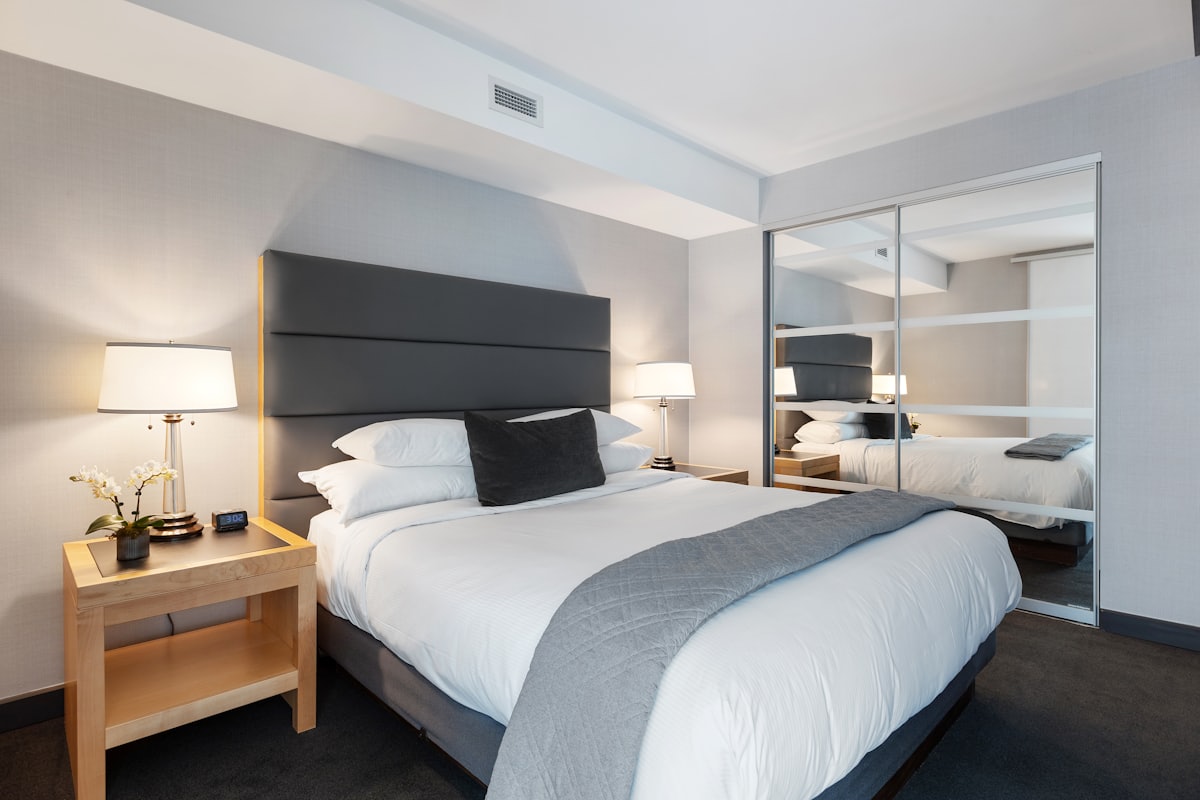
Start with the room, the cheapest lever you fully control. The standard advice says 65 to 68 degrees, and here the bottom of that range is equipment. Drop the thermostat a couple of degrees lower than feels reasonable, or open a window if the season allows. Your partner can wear socks. I checked, and no marriage has failed over this.
Then the bed, in layers instead of one heavy cover. A flat sheet, a light blanket, a comforter you can shed in stages. The classic move is one foot out first, because a bare foot vents heat surprisingly well and doesn’t wake you the way hurling the entire duvet across the room does. Keep the layers loose. Tight tucking is the enemy. You want exits.
The fan earns its place twice: moving air across your skin so sweat can do its job, and laying down steady sound that masks the small noises that would otherwise finish waking you. Some women run one all night. Others keep it within arm’s reach and switch it on the moment heat starts rising, and either way it’s a ten-dollar tool with a long track record. The sleepwear is where I rolled my eyes, right up until the first night I didn’t have to peel a wet t-shirt off at three in the morning. Moisture-wicking fabric, synthetics or merino, pulls sweat off the skin and dries fast. Cotton doesn’t. Keep a cold pack wrapped in a thin towel by the bed and press it against your neck or wrists during a flash; for many women that shortens it.
One backwards-sounding piece for the evening: a warm shower an hour or two before bed. Warming the skin opens the blood vessels in your hands and feet, the body dumps heat through them afterward, and that falling-temperature slope is the signal sleep waits for. The shower doesn’t warm you up for bed. It trips the wire that cools you down for it.
The two-minute recovery script
Decide this now, while you’re reading, not at 2 a.m. One: foot out, then covers off in stages, no dramatic duvet launch. Two: cold pack from the nightstand, thin towel around it, against the neck or wrists. Three: pillow flip, because the cool side is a finite resource and you’re saving it. Four: fan on if it isn’t already. Five, the important one: no clock math. The arithmetic has never once helped anyone back to sleep, and skipping it is easier when the skipping was decided at two in the afternoon.
The trigger log
Here’s the tool that costs nothing and outperforms everything above: a two-week log. Hot flashes have triggers, and alcohol and spicy food are the two most commonly reported, but the list is maddeningly personal, which is why guessing fails. You’re looking for your triggers, not the average woman’s.
Christine, 47, spent six months playing detective from memory and concluded she had no pattern. “Memory is a terrible statistician. It rounds off Tuesdays.” Then she kept a small notebook by the kettle, one line every morning about the day before: what she drank, how spicy dinner was, whether anything hot came after eight, roughly when any flash struck. She’d been certain the culprit was red wine. Wine made the list, but the loudest pattern was food, a Tuesday-night curry, salsa-and-beer Fridays, hot sauce on everything out of pure habit. She didn’t become a monk about it. Wine moved earlier and shrank to one glass, curry became a Saturday lunch, the hot sauce stayed but not after six. The flashes didn’t vanish, though they thinned enough that she stopped dreading lights-out.
Fourteen days, not seven. Weekly patterns need two cycles before they’ll confess.
Now the limit, because you’ll find it otherwise. The cooling tactics work and they also don’t work completely. They can turn five drenching wake-ups into two and shorten the flashes, and they can’t erase them, because no amount of fan stops a chemical event from starting. There’s a quiet version of the problem no cooling reaches either: falling progesterone can thin sleep with no heat involved at all. If you’ve cooled everything and the nights are still thin, you’re not doing it wrong, and months of it despite honest effort is a doctor conversation, log in hand. For the full room setup in one place, see the best temperature for sleep post, the perimenopause sleep overview explains the decade behind the flashes, and the menopause sleep problems natural help post assembles the whole kit in order.
The script is unglamorous and it holds. Foot out first, covers off in stages, cold pack on the neck, fan on, and no clock arithmetic while your skin cools. The flashes won’t vanish, and they don’t need to. They just need to stop costing the whole night, and two minutes of rehearsed choreography is what turns a five-minute body event back into exactly that.
The whole system, including the worksheets, is in Sleep, Finally.
Frequently asked questions
What should I do the moment I wake up sweating?
Run the script: foot out first, covers off in stages, cold pack in a thin towel against your neck or wrists, pillow flip, fan on, and no clock arithmetic. The script matters because improvising at 2 a.m. keeps you awake longer than the sweat does. Decide it in daylight.
What is the best room temperature for night sweats?
The bottom of the 65 to 68 degree range, and treat it as equipment rather than preference. A body that surges at random needs a low place to surge from. A setting that felt brisk at thirty-five can feel exactly right at forty-seven.
Does cotton sleepwear help night sweats?
Cotton holds sweat against your skin, which is the peeling-wet-t-shirt experience. Fabrics that wick moisture, synthetics or merino, pull sweat off and dry fast, which is the difference between shivering back to sleep and changing clothes in the dark. I resisted this tip for a year, and it’s the one I’d defend hardest now.
Can I stop night sweats completely?
No. The tactics reduce the count and shorten each one, but no fan can prevent a chemical event from starting, and falling progesterone can thin sleep without any heat involved. Fewer and shorter is the honest target, and it’s a real one.
What triggers night sweats most often?
Alcohol and spicy food top the commonly reported list, with hot drinks and heavy evenings behind them. Your list may differ, which is the entire case for the two-week log: one line each morning, fourteen days, and the pattern usually confesses.
This guide is educational, not medical advice. If night sweats are severe, waking you most nights, or arriving alongside other changes that worry you, a doctor is the right door, and your log goes with you.