
Perimenopause Sleep While Traveling
Perimenopause sleep travel means packing the cooling playbook: your own layers, your own fan plan, and a room you can make dark. How to sleep away from home.
Perimenopause sleep travel means packing the cooling playbook: your own layers, your own fan plan, and a room you can make dark. How to sleep away from home.

Hot flashes summer heat is the worst combination in the hormones chapter. Why ambient heat lowers your margin, the heat-wave playbook, and what to drop on purpose.
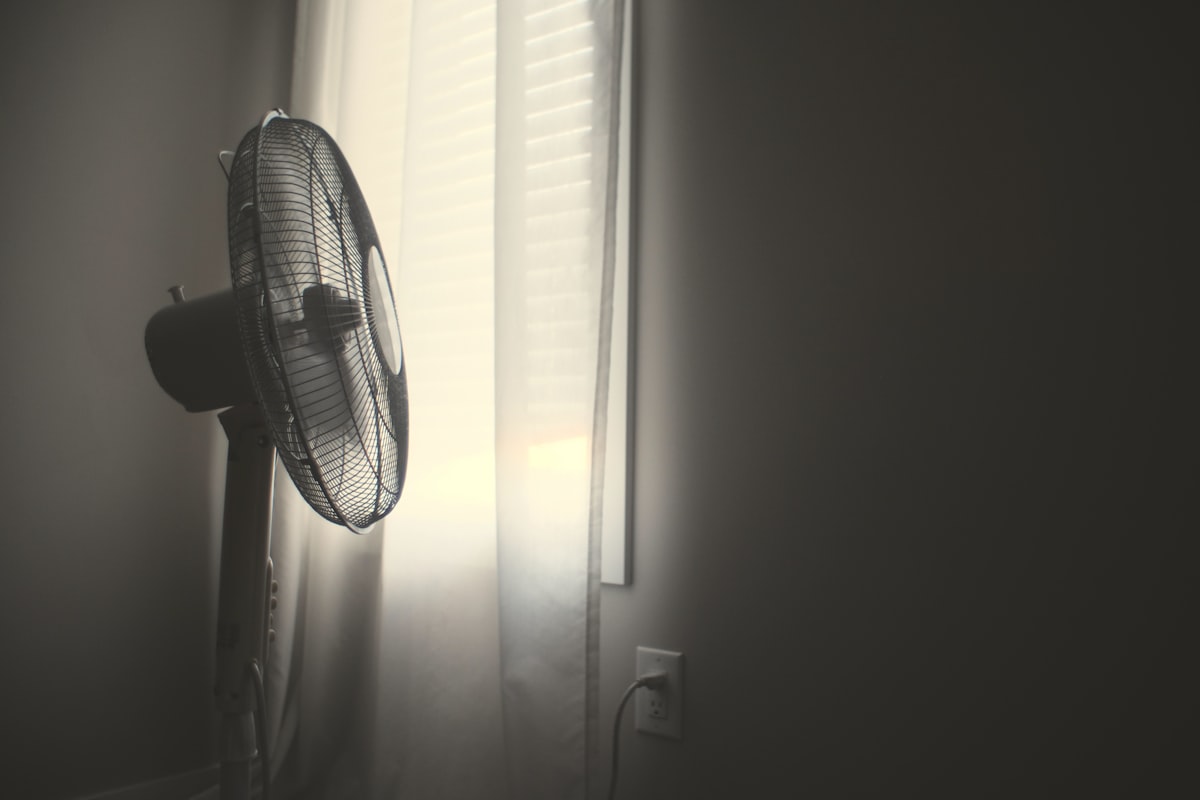
Fans for night sweats work on the aftermath, not the cause: moving air speeds evaporation, which shortens flashes. What fans can and can't do, honestly.
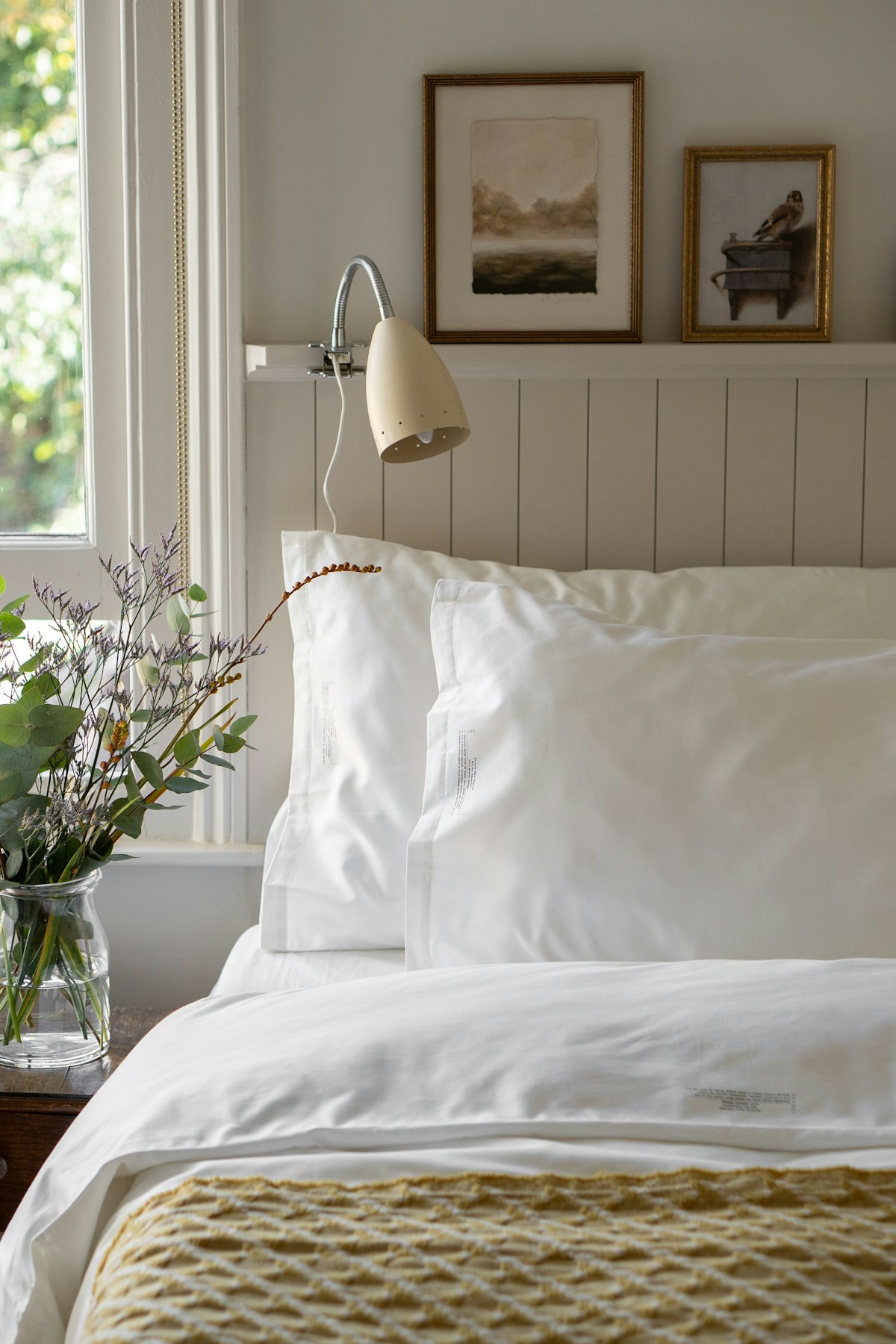
The best cooling sheets for night sweats wick moisture and dry fast, which rules out cotton. What fabric actually does and what marketing overpromises.
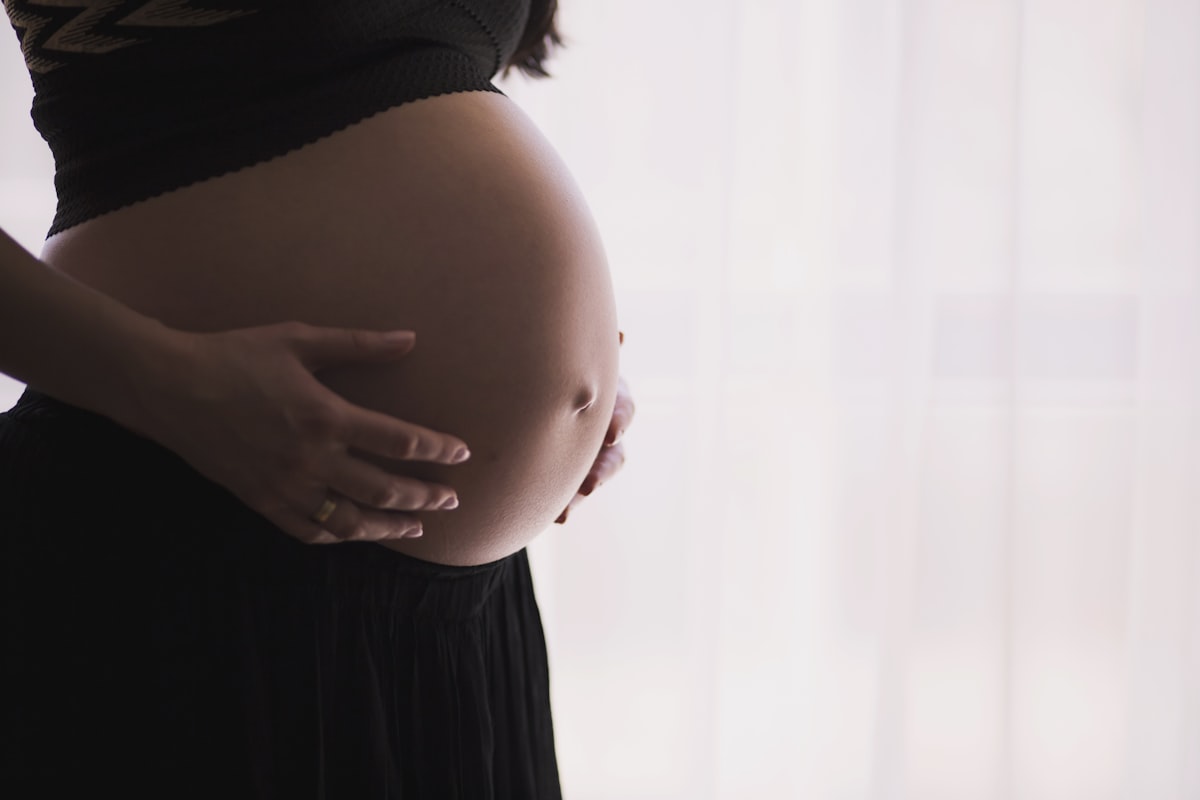
Birth control and sleep can interact through hormones, temperature, and mood. The honest picture, what to watch for, and when to raise it with your prescriber.
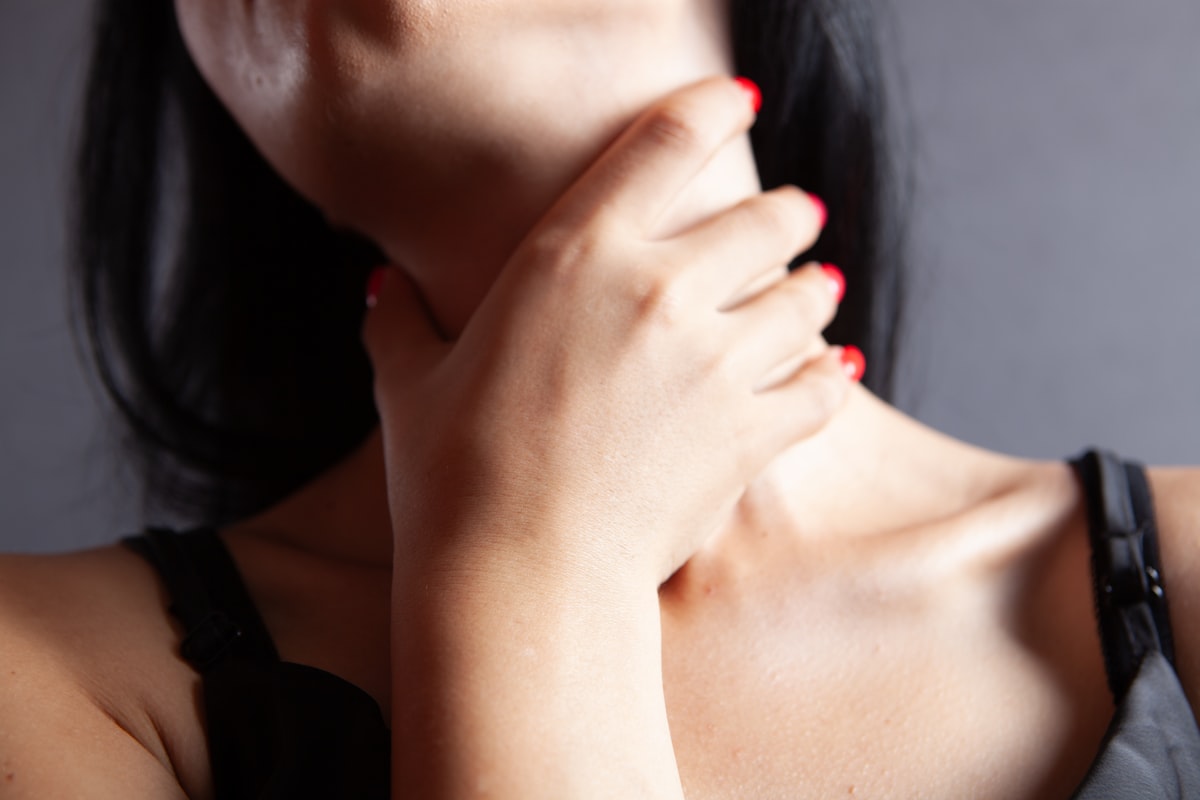
Thyroid problems and sleep tangle both ways: an overactive gland speeds everything up, an underactive one drags. The notebook can't tell them apart. Labs can.
Sleep apnea and low testosterone prop each other up: apnea fragments sleep and suppresses the hormone, and thinner sleep worsens apnea. Treat the apnea first.
Low testosterone and sleep run in both directions: sleep loss lowers testosterone, and hormonal change can thin sleep. Where the notebook ends and labs begin.
The sleep and aging myth says lighter nights just happen. Deep sleep does decline, but the need doesn't, and much of what gets blamed on age is testable.

Should older adults nap? Yes, but short and early: twenty minutes before three protects the night, while long late naps feed thinner nights and longer naps.