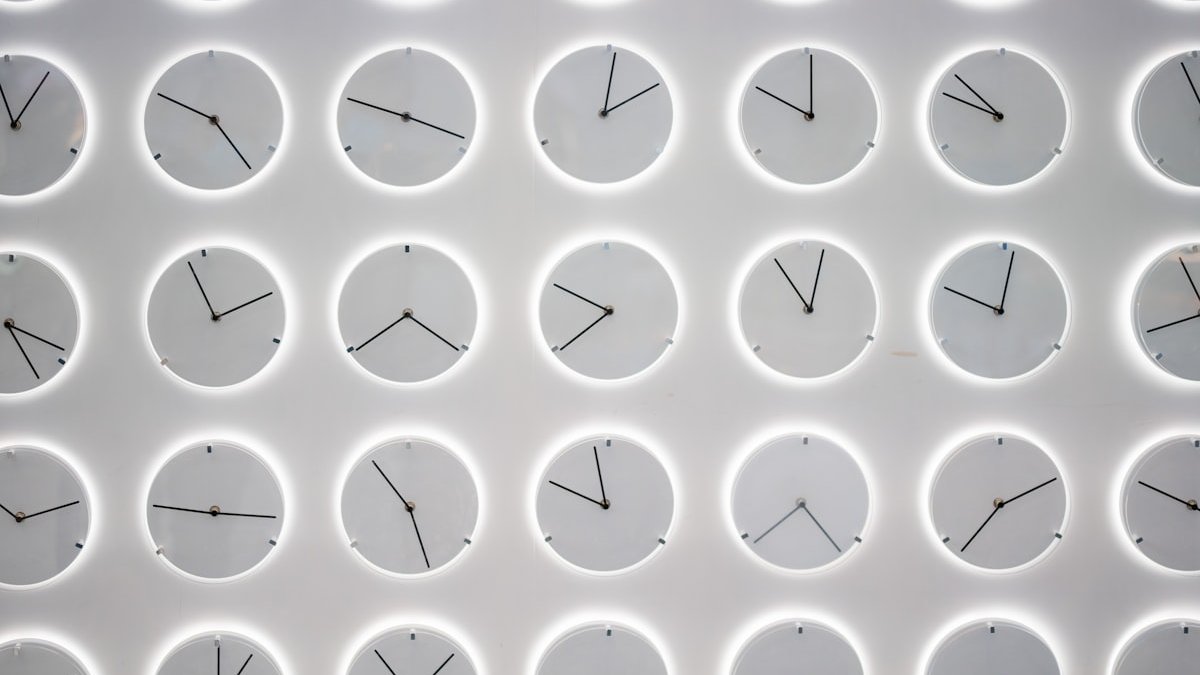
When to Get Morning Light: The First Hour Rule
The first hour light rule means getting outside within 60 minutes of waking to set your body clock. Why the timing matters and how to keep it.
The first hour light rule means getting outside within 60 minutes of waking to set your body clock. Why the timing matters and how to keep it.
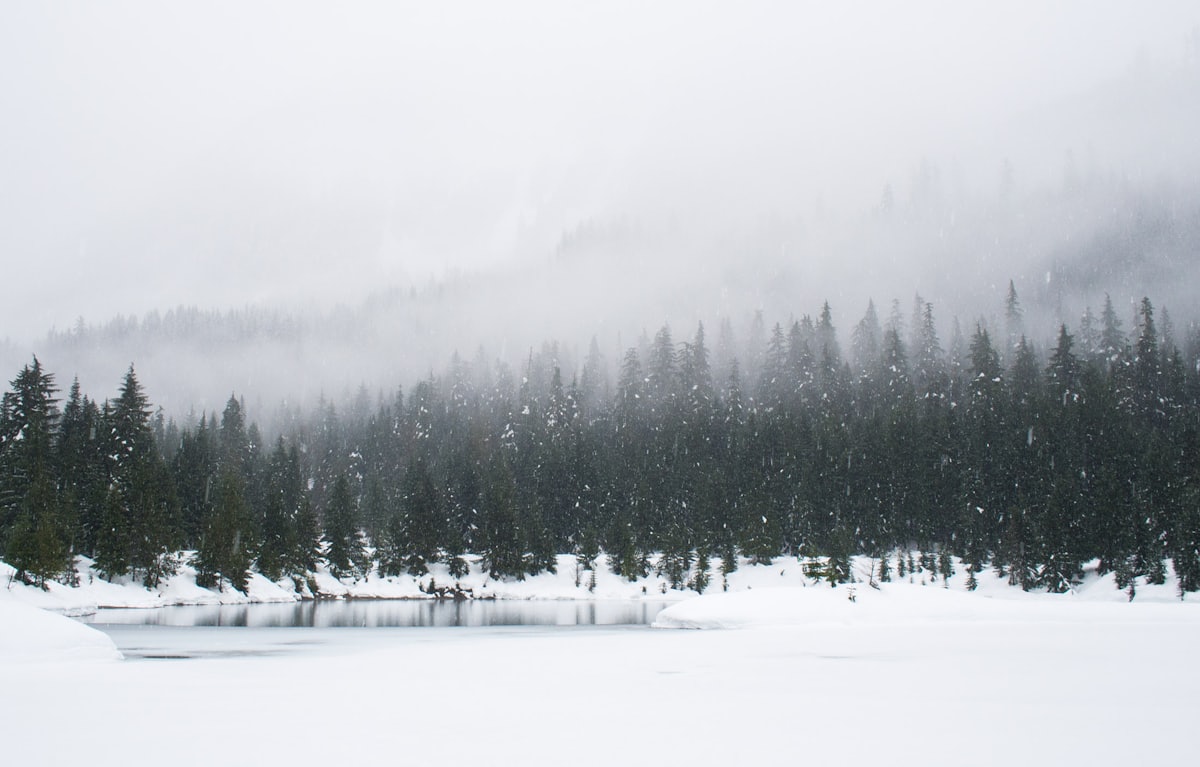
Cloudy climate sleep advice that holds up: gray skies still beat your kitchen by ten to a hundred times, so the dose gets longer, 30 to 40 minutes, not abandoned.

Sunrise walks set your body clock through the eyes, not the legs. Why morning light is the strongest sleep signal you own, the dose, and the gray-day version.

A 15-minute winter light plan for gray, dark mornings: what counts as a dose in December, how to split it, and why the wake time carries the schedule.

Why coffee after morning light works with your biology: the cortisol you already have, the adenosine you keep clear, and the ten-minute porch habit.
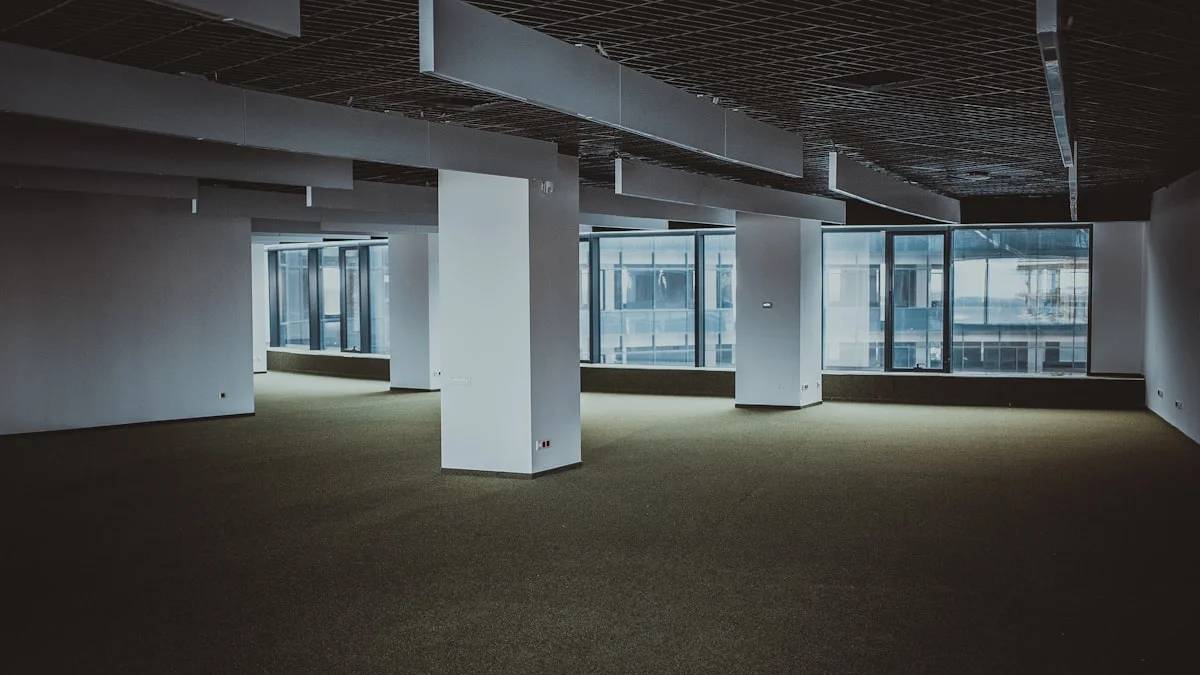
Why office lights don't count as your morning dose: 400 lux of fluorescent feels bright to your eyes and reads as dusk to your body clock. What to do instead.
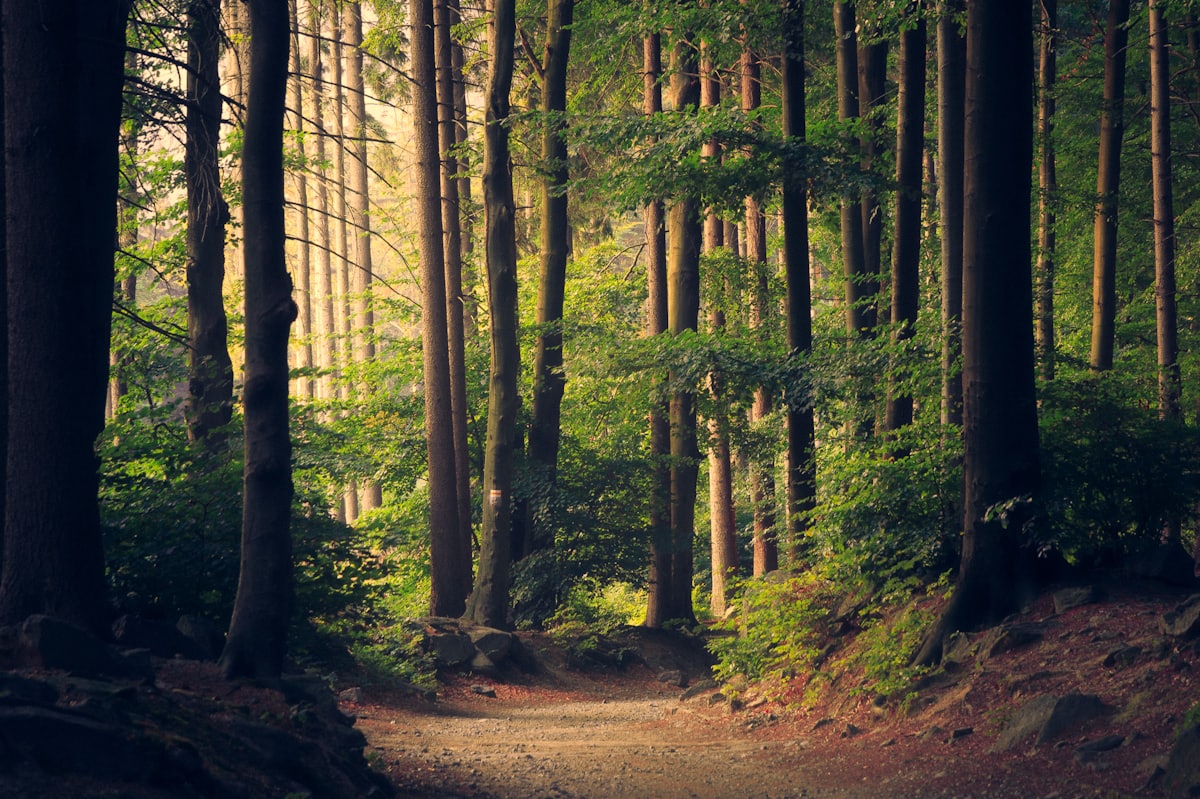
A morning walk benefits sleep twice: it delivers the light dose that sets your body clock and the movement that builds sleep pressure, in one unimpressive habit.

A morning routine for better sleep starts with light, not productivity. Why the first waking hour decides the night, and the boring sequence that carries it.
Morning sunlight for sleep resets your body clock rather than tiring you out. Ten to thirty minutes outside in your first waking hour, and night one proves nothing.
How dark evening should be for sleep: the 10 lux target for the last three hours, lamps instead of overheads, the bathroom mirror trap, the smaller screen problem.