Morning Light & Sleep
sunrise walks: the cheapest sleep aid you own
By Nora Vale · May 27, 2026 · 7 min read
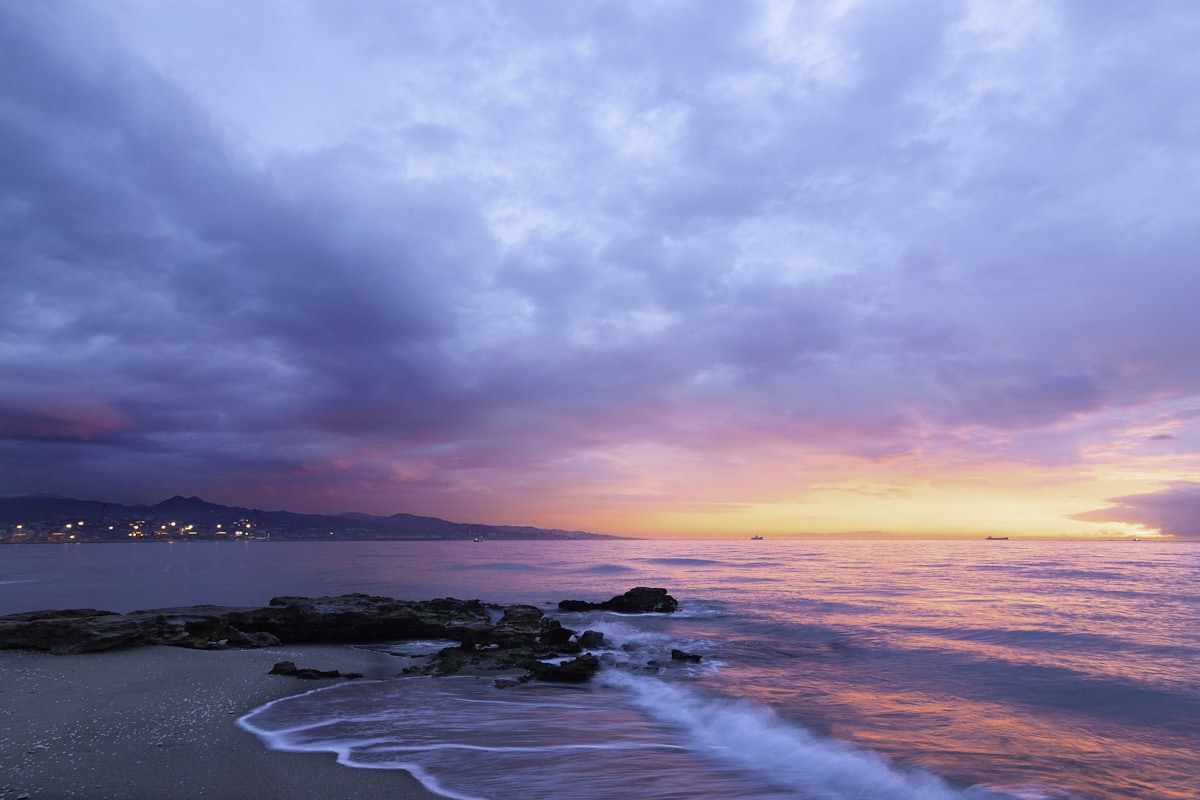
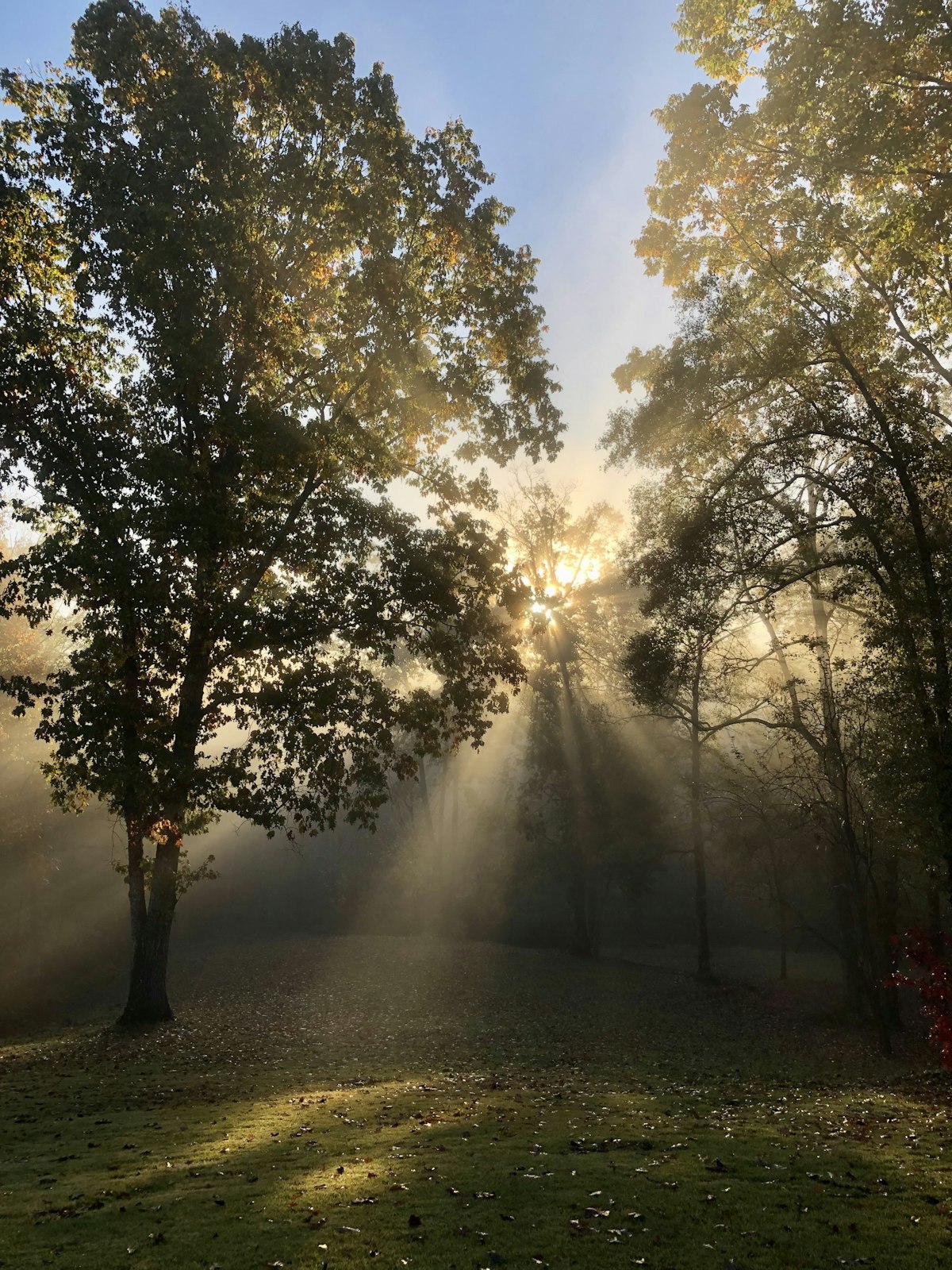
My own version of the sunrise walk is, by my own accounting, the least impressive habit in this book. I take the coffee out the front door within ten minutes of waking, most mornings, no phone, and I stand there like a middle-aged woman watching weather happen. On gray days I walk to the corner and back. There’s nothing to photograph and nothing to post, and I suspect it moved my sleep more than anything else I did, which is exactly the kind of claim that deserves ten minutes of your skepticism.
The claim, stated plainly: outdoor light in the first hour after waking is the strongest signal your body clock accepts, and a clock that gets that signal every morning falls asleep more reliably at night. The full morning light and sleep guide covers the science; this post is the walk, the dose, and the honest limits.
Key takeaways
- Morning light pulls your clock earlier and steadier; evening light pushes it later. The whole habit exploits that one asymmetry.
- The dose is ten to thirty unfiltered outdoor minutes within an hour of waking. Windows and windshields don’t count.
- It isn’t exercise and it isn’t vitamin D. You’re setting a watch, through your eyes, standing still if you like.
- The payoff takes two to three weeks to show up, which is precisely why the habit gets abandoned in week one.
Why the walk works when nothing else seems to
Start with the clock, because the walk is really a clock intervention wearing a walking outfit. Deep in your brain sits a cluster of about twenty thousand cells that keeps your body’s time, and it isn’t a perfect 24-hour machine. In time-isolation studies, volunteers cut off from clocks and daylight settled into days of about 24.2 hours, which means an unprompted clock slides later every single day and needs a morning signal to pull it back. “Morning light pulls the clock’s schedule earlier. Evening light pushes it later.”
A clock that never registers the morning argues with every good decision you make after it. That was my own story for years: the bedroom was the best-behaved room in the house, blackout curtains, fan, thermostat at 66, and I still spent midnights flat on my back running a slow inventory of every awkward thing I’ve said since high school. The room wasn’t the problem. The problem kept different hours and lived ten steps past my front door.
The walk delivers the signal at the hour it counts. Light in the first waking hour does the heavy lifting for that evening’s melatonin rise, which is the darkness signal that opens the door to sleep. “The same ten minutes at noon is a lovely walk. It just isn’t the same signal.” A lovely walk. Not the same signal. That distinction is the whole post.
The dose, precisely
Ten to thirty minutes outdoors, within about an hour of waking. That’s the entire prescription, and the fine print is forgiving. You don’t need to face the sun or stare at it, because the signal rides in on ordinary vision with your eyes simply open. Sunglasses can stay in the bag for the first ten minutes unless the glare is genuinely brutal, and if you have an eye condition or light-triggered migraines, that’s a question for your eye doctor, not for this post.
Gray days change the dose, not the rule. An overcast sky starts around a thousand lux while a comfortably lit living room runs a few hundred, which is why “The grayest January sky over the ugliest parking lot is still ten to a hundred times brighter than your kitchen with every bulb burning.” On overcast mornings, stretch toward thirty minutes or split it into a morning dose and a lunchtime one.
What doesn’t count deserves its own paragraph, because most people are accidentally collecting secondhand light. Indoor light right beside a window is often less than one percent of what’s on the other side of the glass, and two boring pieces of physics explain it: the glass takes a cut, and brightness collapses with every step back. The commute behind a windshield doesn’t count either, no matter how pretty the sunrise looks through it. “The dose that moves the clock is the unfiltered kind.”
Making it a habit you don’t have to want
The walk fails as a project and succeeds as an attachment. The reliable version staples itself to something that already happens at the same time every morning: the coffee, the first stretch of the school run, the call you were going to take anyway. “Coffee on the porch counts. Tea on the front steps counts.” The light doesn’t care why you’re outside. It only cares that you are.
Grace, a friend from my old office, did all of this by accident. She adopted an anxious terrier with the bladder of an hourglass, and the dog wanted the end of the driveway at 7:15, every day, sleet included. Grace, who describes herself as allergic to mornings, didn’t change her bedtime, her coffee, her mattress, or her screens. Two or three weeks in, she noticed she was falling asleep fast, lights-out-by-10:40 fast, and it took her another month to connect the change to the dog, because nothing about a leashed terrier feels medicinal.
Her rainy February week is my favorite data point. Shortened walks, some of the old restlessness back, then the routine returned and settled things down again, an unplanned A/B test on a sample of one. She’ll tell you she can’t prove any of it in a lab. She just knows what she felt, and the dog would like more credit.
The honest limits
Three limits, said plainly so you can’t discover them the hard way and conclude the whole idea was a scam. First, the timeline: “Morning light won’t knock you out at bedtime. Not on night one.” It shifts timing, and timing shows up over days. Grace’s change took two or three weeks, mine about two, and neither of us could name the night it happened. Give it a fair two weeks before you judge it, and if you keep a sleep log, the trend will show up there before your memory believes it.
Second, the scale: light doesn’t outrank the other thieves, it sits upstream of them. A steady morning signal plus a 4 p.m. cold brew plus a phone on the nightstand is a clock being set at seven and scrambled at midnight. The walk is the cheapest lever, not the only one, and it works best stacked on a fixed wake time and a dim evening.
Third, the winter and the dark-morning version: if you wake before the sun, the pre-dawn sky still dramatically out-delivers your house, so ten minutes outside with a mug counts, then the bright lamps, then five minutes of actual sun when it clears the rooftops. Light boxes exist and are legitimate tools for a genuine winter low, but that’s a conversation for a doctor, not a purchase on a hunch. Start with what’s overhead.
Frequently asked questions
Do sunrise walks actually improve sleep?
Yes, through timing rather than relaxation: outdoor morning light is the strongest signal your body clock accepts, and a well-set clock falls asleep more reliably. The change builds over two or three weeks, not on night one.
How long does a morning light walk need to be?
Ten to thirty minutes outdoors within about an hour of waking. Bright mornings ask ten; overcast ones want thirty or two shorter chunks, because a gray sky delivers a fraction of a clear one’s dose.
Does light through a window count?
Not meaningfully. Indoor light beside a window is often under one percent of the outdoor level, and the windshield doesn’t count either. The dose that moves the clock is the unfiltered kind.
Do sunrise walks need to be exercise?
No. Coffee on the porch, tea on the front steps, standing in the yard all count. Treating the walk as exercise is how the habit gets postponed until it dies.
What if I wake before the sun rises?
Pre-dawn sky is still far brighter than your house, so ten minutes outside with a mug counts. Then bright lamps, breakfast by the brightest window, and five minutes of sun when it clears the rooftops.
Tomorrow, ten minutes
The whole protocol is embarrassingly small: coffee or tea, out the door within the first hour, ten minutes minimum, no phone. Staple it to whatever already happens at the same time every morning, and judge it after two weeks, not two days. The rest of the light system, worksheets included, is in Sleep, Finally. The cheapest sleep aid you own is the sky. It’s currently unused.
This guide is educational, not medical advice. If you have an eye condition or light-triggered migraines, check with your eye doctor before changing your light exposure; persistent sleep problems deserve a clinician, not just a habit.