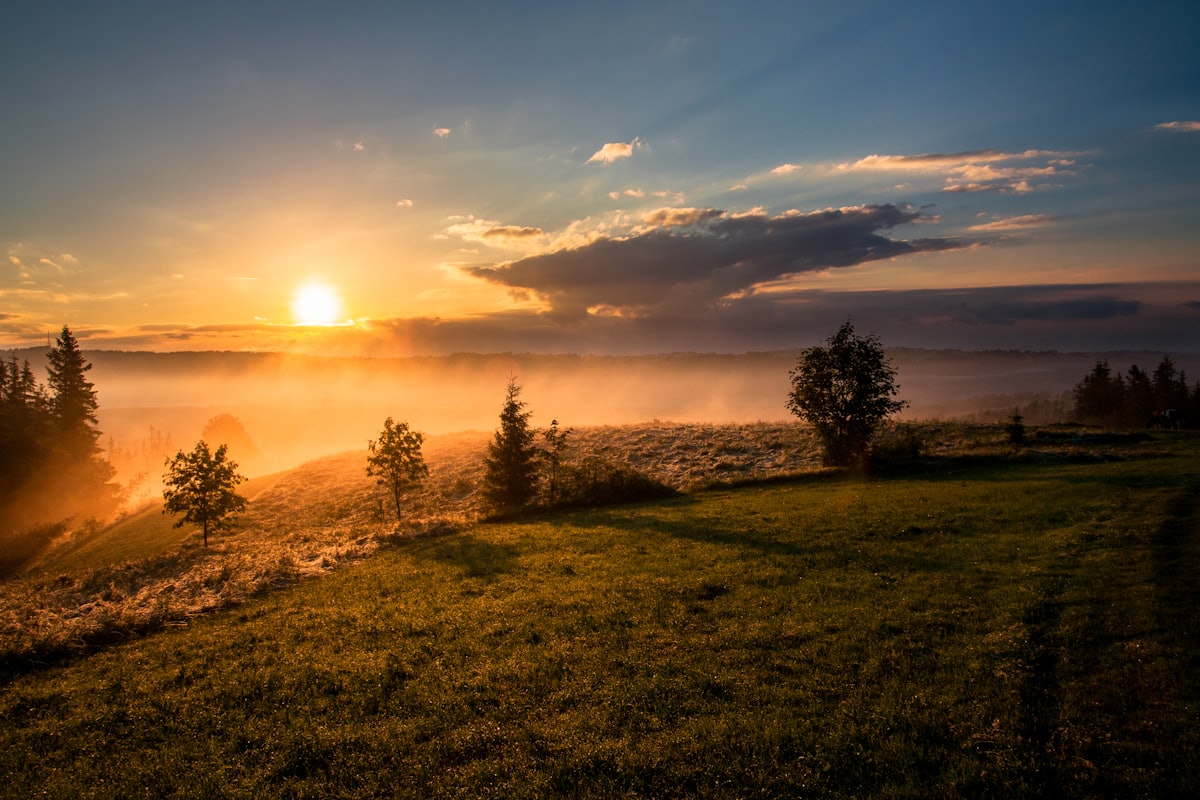
Morning Light and Melatonin: The Timing Chain
Melatonin timing is set by the morning: light in your first waking hour starts tonight's melatonin rise on schedule. How the chain works and where it breaks.
Melatonin timing is set by the morning: light in your first waking hour starts tonight's melatonin rise on schedule. How the chain works and where it breaks.

Morning light mistakes that quietly undo the habit: window light that doesn't count, noon doses, sunglasses, and quitting during the two-week build. Fixes included.

When the season changes, your body clock needs help. How to shift your body clock between seasons with morning light, dim evenings, and a steady wake time.
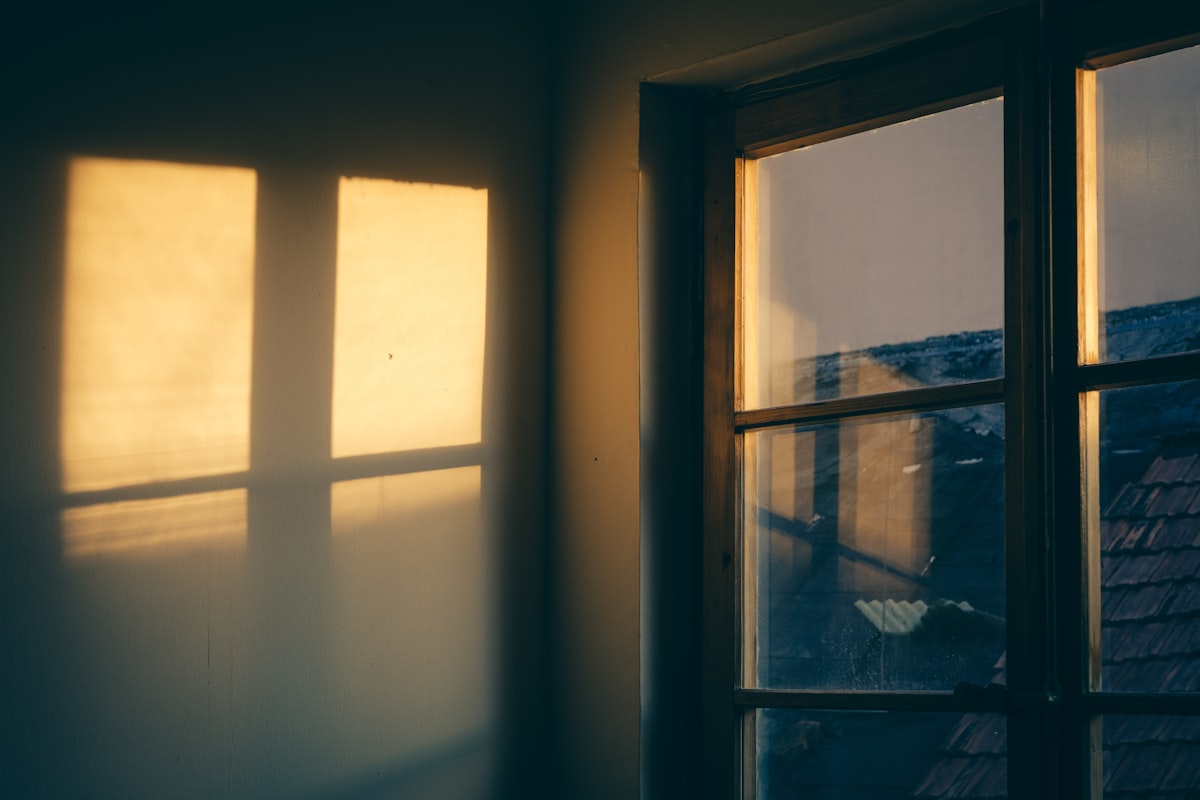
Morning light minutes: ten minutes of real sun is a full dose on a bright morning, gray days stretch toward 30 or 40, and the first waking hour outranks duration.

Winter blues light therapy starts free: outdoor morning light, 30 to 40 minutes on gray days. What works, what a light box adds, and the honest limits.

Melatonin is a darkness signal, not a sedative. It unlocks the door and dims the hallway; light exposure timing is what opens or closes it.

Screens at breakfast give your clock indoor-beige light while the real thing waits outside. The lux gap explained, why phones cost more than they look, and the fix.

Dim evenings and morning light are one system, two ends of the same lever. How the evening dial sets up the morning signal, and why the pair beats either one alone.

Light through clouds still counts: a gray January sky is ten to a hundred times brighter than your kitchen, and the clock reads the dose, not the weather.

Can too much morning light backfire on sleep. Why outdoor morning light has no practical overdose, where the real risk sits indoors, and how to dose gray days.