Morning Light & Sleep
Morning Walk Benefits for Sleep: The First-Hour Habit
By Nora Vale · May 16, 2026 · 7 min read
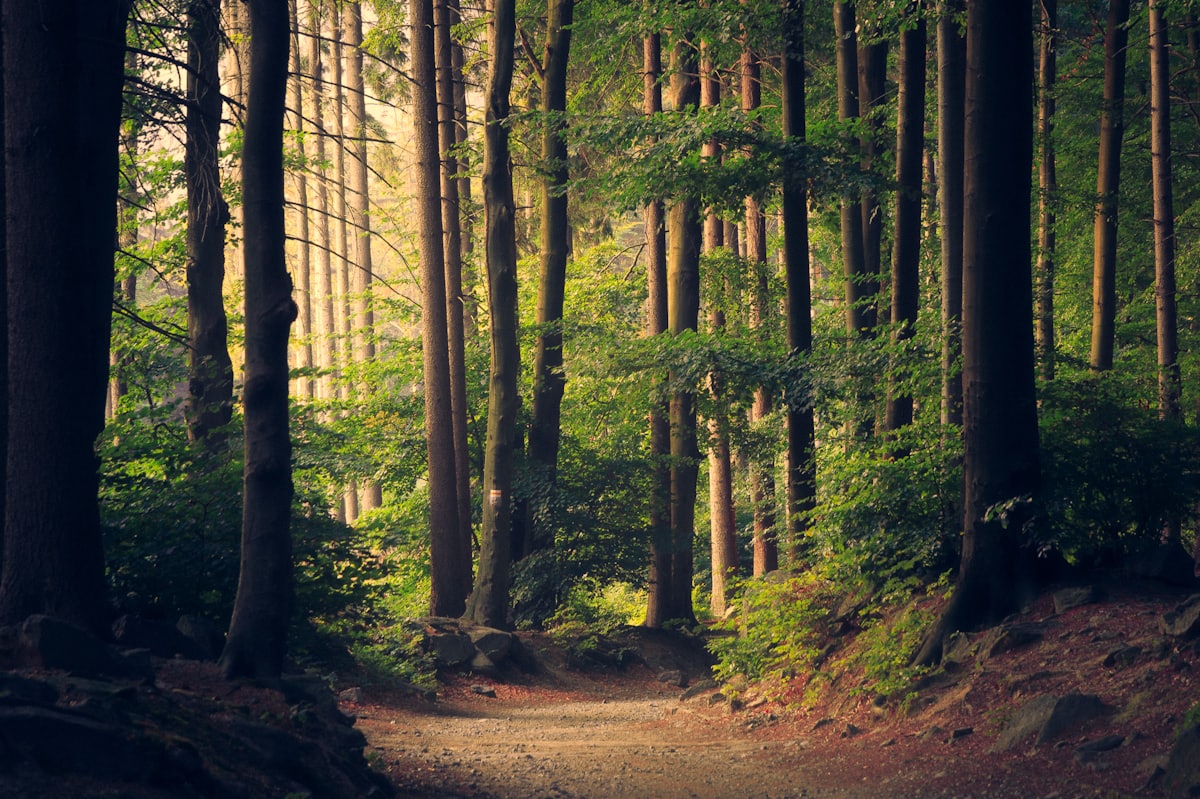
The dog made me do it, and I resent how well it worked. My sister’s terrier stayed with us for a month, he demanded the driveway at 7:15 sharp, and I stomped along in my sweatshirt thinking about everything else I could be doing with the first hour of my day. Two weeks in, I started falling asleep before the chapter ended. Nobody warns you how ordinary the mechanism is, which is probably why the morning walk benefits for sleep keep getting drowned out by gadgets that cost money and do less.
The short answer: a morning walk outside is two sleep interventions stacked on top of each other, the light dose that anchors your body clock and the movement that builds sleep pressure. This post covers both, plus the honest timeline, and the full daylight picture lives in my guide to morning light and sleep.
Key takeaways
- An outdoor morning walk pays twice: it delivers your daily light dose and it spends energy your night converts into sleep pressure.
- Twenty to thirty minutes in your first waking hour is the target, and ten minutes on a bad morning still beats zero.
- Timing matters more than pace. The same walk at noon is lovely but delivers a weaker clock signal.
- Expect the first real change around week two, not night one.
- Rain doesn’t break the habit. It shrinks it, and a shrunken habit keeps.
Two payments in one boring transaction
The first payment is light, and it’s the one most walk advice misses entirely. Your internal clock drifts later than 24 hours on its own, and outdoor light in your first waking hour is the strongest reset it gets all day. Walking delivers that dose almost by accident, because the signal comes in through your eyes with ordinary vision while you’re busy looking at hedges. Standing in the yard counts. Walking the first stretch of the school run counts. The light doesn’t care why you’re outside.
The second payment is sleep pressure, the drowsy fuel that builds in your brain every hour you’re awake and faster when your body actually moves. A body that spent nothing by evening has nothing to pay sleep with, and most of us spend the first hour of the day sitting at a kitchen table scrolling, which throttles the fill rate before the day has even started. A walk moves the meter. Not dramatically. It moves it the way a slow drip fills a tank, which is exactly the shape of the problem most tired people have.
Neither payment is impressive alone. Together, in the first hour, they explain why the dog month worked when the blackout curtains didn’t.
How the research lines up
The movement half has unusually consistent support. National Sleep Foundation surveys have found that vigorous exercisers report sound sleep roughly twice as often as non-exercisers, and light activity also beat sitting still, which means the walk qualifies even though nobody would call it training. Johns Hopkins Medicine adds that even thirty minutes of moderate aerobic movement improves sleep that same night, and a walk sits at the gentle end of moderate.
The light half runs on a different body of work, the circadian kind, and it’s where the morning timing earns its keep. Light in the first waking hour pulls your schedule earlier and steadies it, while light late in the evening pushes everything later, which is the direction most insomniacs are already drifting. The book I learned this from keeps the recipe deliberately dull: “The same ten minutes at noon is a lovely walk. It just isn’t the same signal.” I’ve stopped arguing with that line, because a noon walk has rescued enough of my broken mornings to know both statements are true.
If you want the movement half at full length, the post on whether exercise helps you sleep covers the sleep-pressure mechanism, and the exercise guide takes the wider view.
What the walk looks like in practice
Nothing here needs equipment, a program, or a version of you that owns trail shoes.
- Walk outside within an hour of waking, for ten to thirty minutes. On gray days stay closer to thirty or forty, or split it into a morning loop and a lunchtime one. Regular clothes, no sunglasses unless the glare is brutal.
- Staple it to something that already happens. The coffee, the school run, the podcast you were going to listen to at the kitchen table anyway. Habits attached to existing anchors survive; habits attached to motivation die by Thursday.
- Leave the phone on the counter when you can. Not for virtue, just because the walk is the rare first-hour slot that belongs to nobody, and the feed will colonize it if you let it.
- Judge it at two weeks. Keep a log with bedtime and any 3 a.m. entries, then read the verdict instead of guessing at it night by night.
That’s the whole program. My own version is twenty minutes, most mornings, around a route I could draw blindfolded. On the mornings I fail, I take the coffee to the front steps for ten minutes and call it the shrunken version, because the alternative is a habit that breaks instead of one that shrinks.
The gray-day and bad-week versions
Rain is where most walking habits go to die, so decide the fallback before you need it. Mine is embarrassingly small: umbrella, shorter loop, done. The light dose shrinks and the movement dose shrinks, and both still beat an indoor day, which is the only comparison that matters. A habit that shrinks rather than breaking is the difference between people who still walk in March and people whose shoes are new in March.
The darker problem is the schedule that makes mornings impossible, and I take that seriously because I’ve lived versions of it. If your first waking hour belongs to a newborn or a night shift, you do the next best thing: brightest window with every lamp on, and whatever outdoor slot the day offers, even if it’s noon. It’s repair, not replacement, and repair counts. The post on waking up without coffee covers the wider morning toolkit for exactly those weeks.
One honest limit, because this post would smell like an ad without it. The walk is not a sedative, and on the worst nights, the anxious ones where your brain runs the meeting reel at 2 a.m., movement alone won’t carry it. It’s a foundation, not a cure, and the posts on racing thoughts exist because the foundation sometimes needs reinforcements.
Frequently asked questions
Does a morning walk actually help you sleep?
It does, through two separate mechanisms. The outdoor light resets your body clock so the evening melatonin rise lands near your bedtime, and the movement builds sleep pressure that makes falling asleep less of a project. Together they’re the cheapest sleep intervention I know.
How long should the walk be?
Twenty to thirty minutes most mornings, ten when life wins, thirty to forty when the sky is gray. Consistency outranks length, so the version you’ll repeat beats the version that looks optimal on paper.
Is a morning walk better than an evening walk for sleep?
For your body clock, yes, because morning light does scheduling work that evening light can’t, and evening light pushes your rhythm later. Evening walks still earn their keep for digestion and leftover restlessness, they just pay in a different currency.
Do I need to walk briskly for it to count?
No. The light dose is indifferent to pace, and for sleep pressure, ordinary movement beats sitting by a wide margin. Stroll if strolling is what you’ll actually repeat.
What if I can’t walk in the morning at all?
Move the habit to the first outdoor slot your life allows and take the partial dose without guilt. A lunchtime walk repairs a dim morning rather than replacing it, and if you’re waking before the sun, the post on window light versus the real thing explains what the indoor version can and can’t do.
The terrier went home a month later and I kept the walk, which surprised both of us. Twenty minutes, same route, coffee first. My nights have had edges ever since.
This guide is educational, not medical advice. If sleep problems persist most nights for three months or more, a doctor is the right door.