Morning Light & Sleep
Why Office Lights Don't Count as Morning Light for Sleep
By Nora Vale · May 17, 2026 · 7 min read
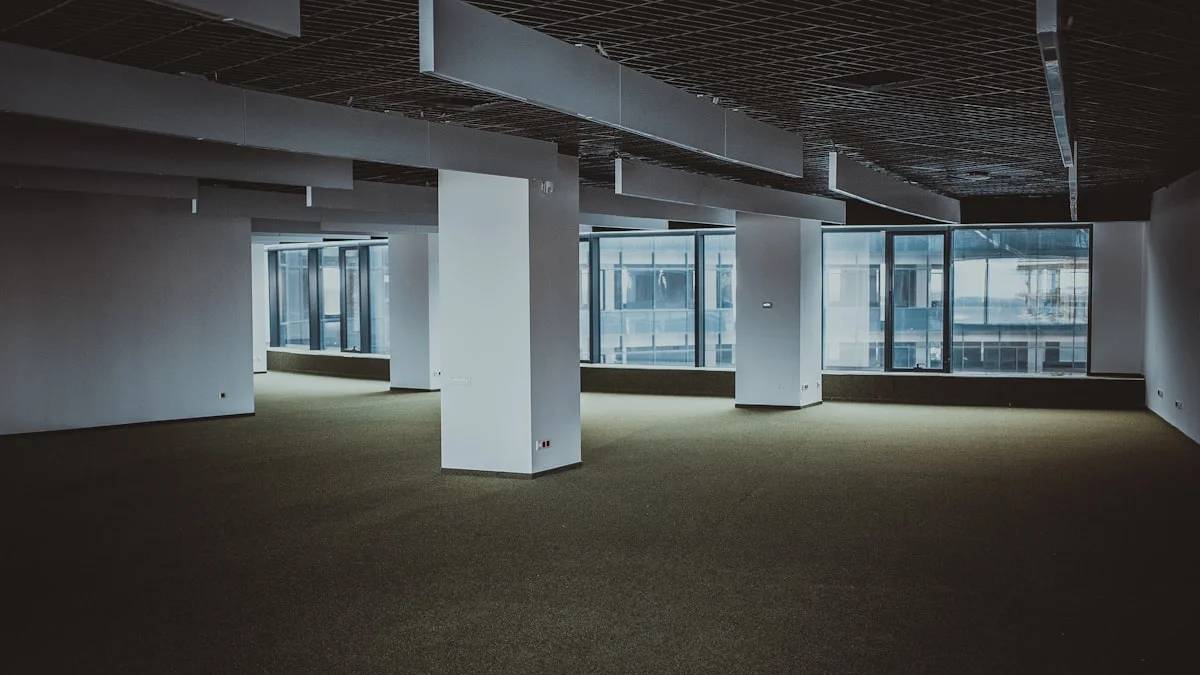
I spent a winter feeling smug about this, because I work in a bright office and I figured the lighting had me covered. Ceiling panels, task lamp, the whole place humming like a showroom. Meanwhile my bedtime kept sliding later and my mornings felt like surfacing through wet sand, and it took a lux meter app and a walk to the parking lot to understand why. The parking lot was brighter. In January. While it rained.
That’s the whole misunderstanding in one scene, and it’s the honest answer to why office lights don’t count as your morning light dose: they feel bright to adapted eyes and read as dim dusk to the clock behind them. The full daylight picture lives in my guide to morning light and sleep, and this post covers the numbers, the window question, and the repair plan for people whose mornings happen indoors.
Key takeaways
- Office lighting runs 100 to 500 lux, while an overcast day outside starts around 1,000 and full sun reaches 50,000 and up.
- Your eyes adapt and insist the office is plenty. Your body clock grades on absolute brightness and disagrees.
- A dim morning leaves the clock drifting later, which shows up as a second wind at 10:30 p.m. and foggy wake-ups.
- A lunchtime walk outdoors repairs a broken morning, it just doesn’t replace one.
- The fix takes ten minutes outside and two to three weeks of patience.
The lux numbers your eyes refuse to report
Light gets measured in lux, and the indoor-outdoor gap is lopsided enough to be funny. A comfortably lit office or living room runs about 100 to 500 lux. An overcast day outside starts around 1,000 and can climb past 10,000, and full sun runs 50,000 to 100,000. Sit with those numbers for a second, because they explain a lot of mysterious tiredness: the grayest January sky over the ugliest parking lot is still ten to a hundred times brighter than your kitchen with every bulb burning.
The reason your eyes disagree is adaptation. Under 400 lux of fluorescent ceiling, your pupils widen, your standards drop, and the room feels adequately bright, which is exactly the verdict your eyes are qualified to give. The clock cells behind your eyes aren’t grading adaptation, though. They’re reading raw photons landing on the retina, and the book’s version of this is the one I quote most often: “Your eyes say this is plenty. Your clock says the sun never came up.”
I stopped trusting my own eyes on this after the parking lot incident. Instruments are boring that way, and boring turns out to be the useful direction.
What a dim morning does to your night
Here’s the mechanism, and it runs in the direction nobody connects. Your internal clock is a cluster of about twenty thousand cells that drifts later than 24 hours when nothing anchors it, and morning light is the anchor. Without a bright first hour, the clock slides, the evening melatonin release slides with it, and you end up wide awake at midnight with an 11 o’clock bedtime, feeling betrayed by a body that is actually running exactly as designed under the signals it received.
The afternoon version is subtler. A clock that never saw a clear morning doesn’t draw a sharp line between day and night, so you get the fog at 2 p.m., the weird alertness after dinner, and the general sense that your energy has no floor to stand on. I used to blame the lunch I ate. It was partly the lunch. Mostly it was a body that had spent eleven hours indoors under lamps, unsure whether morning had ever happened.
None of this feels like a light problem while you’re in it. It feels like being a tired person, which is why the fix never occurs to anybody until someone puts the lux numbers on the table.
The window seat, the commute, and the LED ring light
Every indoor workaround has a place, so here’s where each one honestly ranks. The window seat is the best seat in a dim building, and glass plus distance still cut the dose to a small fraction of what’s falling on the other side of the pane; the dedicated post on light through a window walks the numbers. The commute behind a windshield is glass a second time, so the sunrise you admire from the driver’s seat is a slideshow, not a dose.
Desk lights and LED panels can earn partial credit when you push them. Raw lux is what matters, so a bright panel angled toward your face from close range beats the ceiling fixture, and on a pre-dawn winter morning it’s legitimately the strongest signal available. What it isn’t is daylight, because even a cranked desk setup trails ordinary overcast outdoors by a factor of ten or more. Treat the bright desk light as a bridge, not a destination, and the post on melatonin and light timing explains why the timing of whatever bridge you use matters as much as its brightness.
I keep a floor lamp burning during winter breakfasts myself, and I call it what it is: the leftovers version. Fine on the days the sky is worthless. Not fine as a year-round plan.
The repair plan for indoor mornings
If your first waking hour belongs to a windowless workplace, the fix is repair rather than replacement, and the basement-office case in the book maps it exactly. Bill couldn’t restructure his mornings, so he took a twenty-minute lunchtime walk outside with a sandwich, four or five days a week, gray days included. It broke up the indoor day, softened the afternoon crash, and gave his clock one real look at daylight before the evening lamps started muddying things again. A walk at noon isn’t the same signal as light in your first waking hour, and pretending otherwise would be dishonest. It’s the patch that keeps the week from falling apart.
Weekends carried the rest of his plan, and they can carry yours. When nothing chains you to the building, take the coffee to actual outdoor morning light before nine and let the clock get the real thing at the actual right time. The lunchtime walk is the patch. The weekend light is the stitching that holds the picture together. I’ve run the same two-piece system through years of office winters and it holds, with one honest caveat: the noon repair does about half the work and needs double the patience, so judge it at three weeks rather than two.
Frequently asked questions
Why don’t office lights count as morning light?
Raw numbers. A lit office runs 100 to 500 lux, an overcast day outdoors starts around 1,000, and your body clock reads absolute brightness through your eyes, not how the room feels. The office is a nightlight with good marketing.
Doesn’t bright office light feel like daylight?
It does, because your pupils and standards adapt within minutes. The clock cells behind your eyes don’t adapt the same way, which is why you can spend eight hours in a bright building and still get the midnight second wind of someone who never saw the sun.
What about sitting near a window at work?
It’s the best indoor option and still a partial one, since glass and distance shrink the dose and a 9 a.m. arrival misses the first-hour window that does the scheduling work. Take the window seat and add the lunchtime walk.
Can I make up for a dim morning later in the day?
Partly. Twenty minutes outdoors at noon is repair, not replacement, and it still beats a fully indoor day by a wide margin. Stack weekend mornings on top and the week holds together.
Are LED panels or ring lights any better than fluorescents?
Somewhat, if you push them bright and sit close, because raw lux is the currency. Even then they trail overcast daylight by a factor of ten, so use them to bridge pre-dawn hours and get outside when the sky shows up.
The app on my phone says the parking lot reads 1,400 lux on a rainy January morning. My office ceiling says 420. I still walk out to the lot with my coffee, and my evenings have stopped arguing with me.
This guide is educational, not medical advice. If sleep problems persist most nights for three months or more, a doctor is the right door.