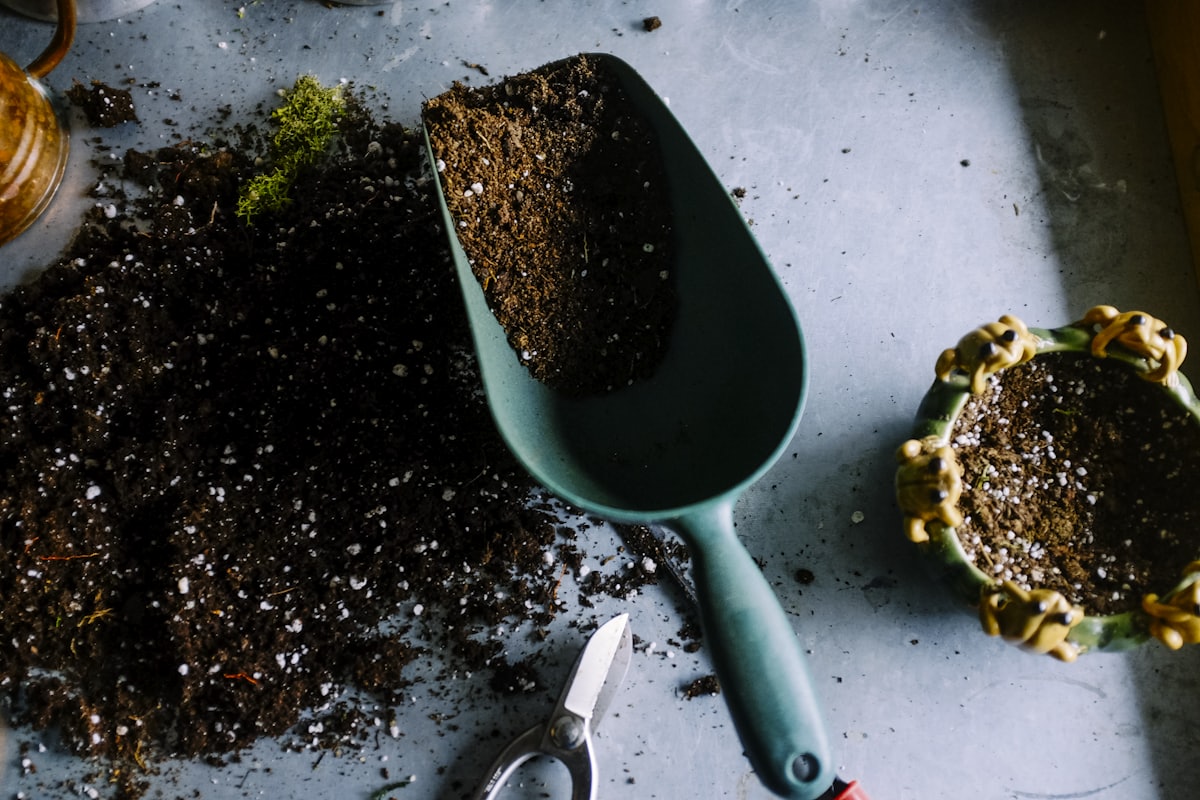
Plants in the Bedroom: Myth vs Fact
Are bedroom plants bad for sleep or secretly good for it? The honest myth-vs-fact rundown: oxygen, CO2, humidity, mold, and what the room actually needs instead.
Are bedroom plants bad for sleep or secretly good for it? The honest myth-vs-fact rundown: oxygen, CO2, humidity, mold, and what the room actually needs instead.
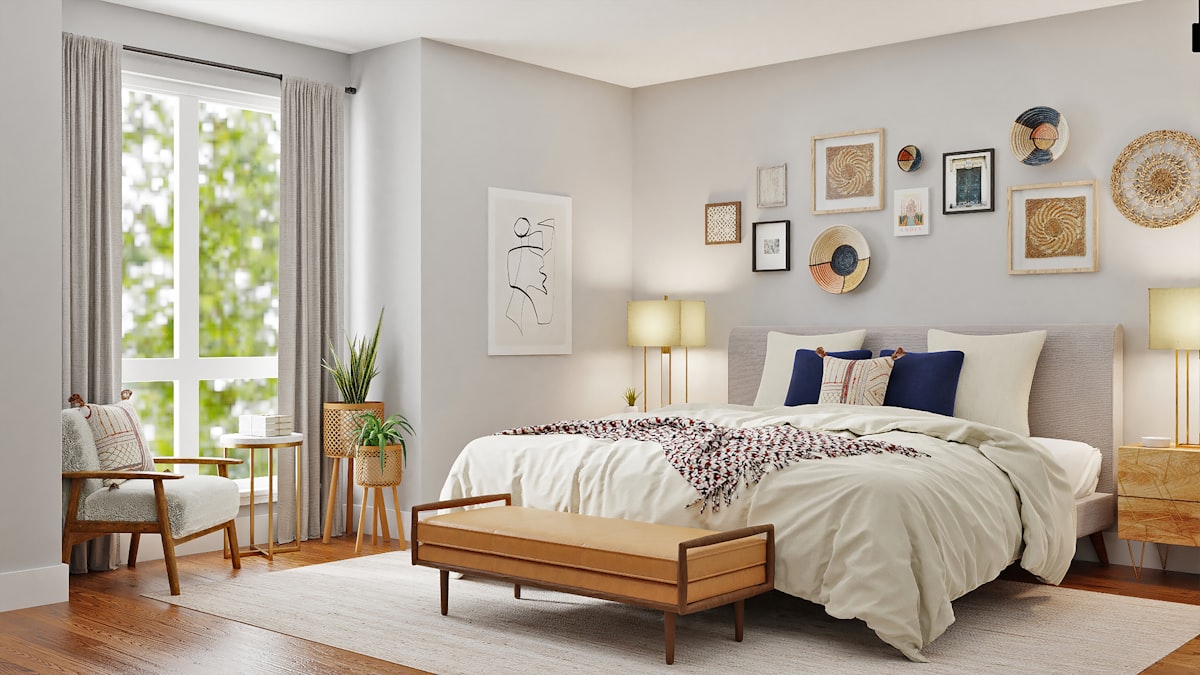
Does bedroom clutter affect sleep quality? What the mess actually does to your brain at bedtime, when a room with three jobs stops meaning one.
A bedroom that works three jobs confuses the brain at bedtime. Why a bedroom for sleep only trains faster sleep, and the weekend plan that fixes it.
A guest room that helps people sleep costs almost nothing: real darkness, a cool room, a fan for steady sound, and a wind-down your visitors can run anywhere.

Hotel room sleep is a kit problem, not a luck problem. The ten-minute setup that darkens any room, masks hallway noise, and turns hotels into places you sleep.
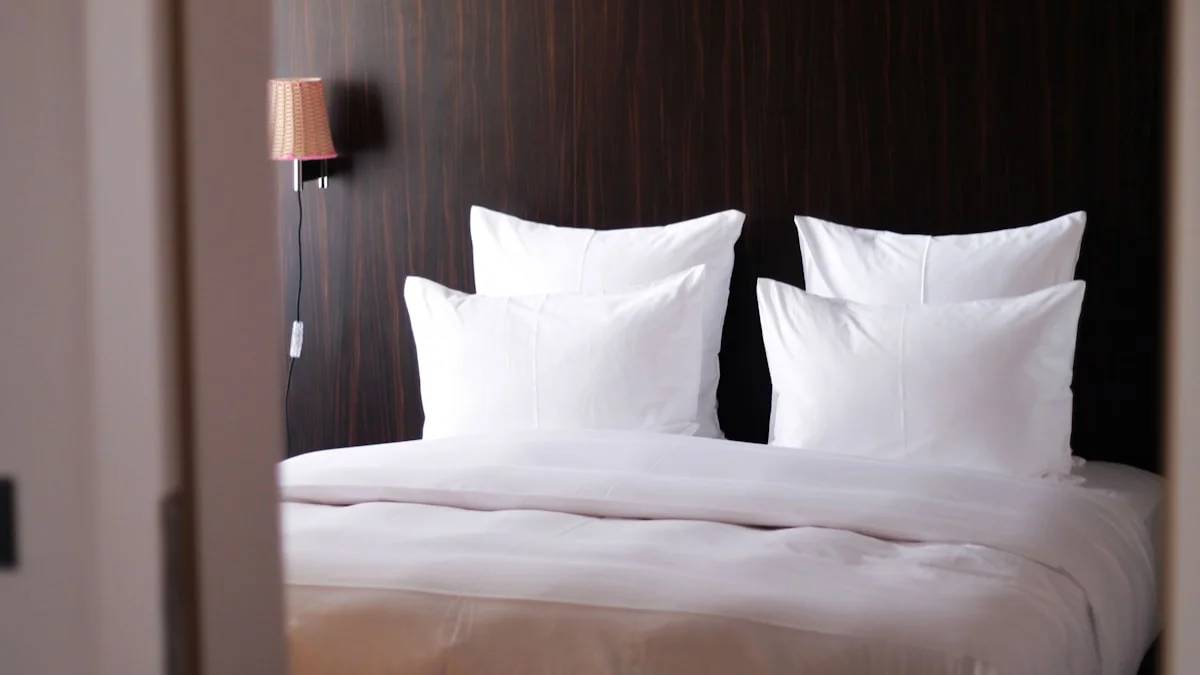
The real reason hotel beds feel better than yours: dark, cool, quiet, and a bed that means one thing. Copy the effect with a 12-dollar kit, not a new mattress.
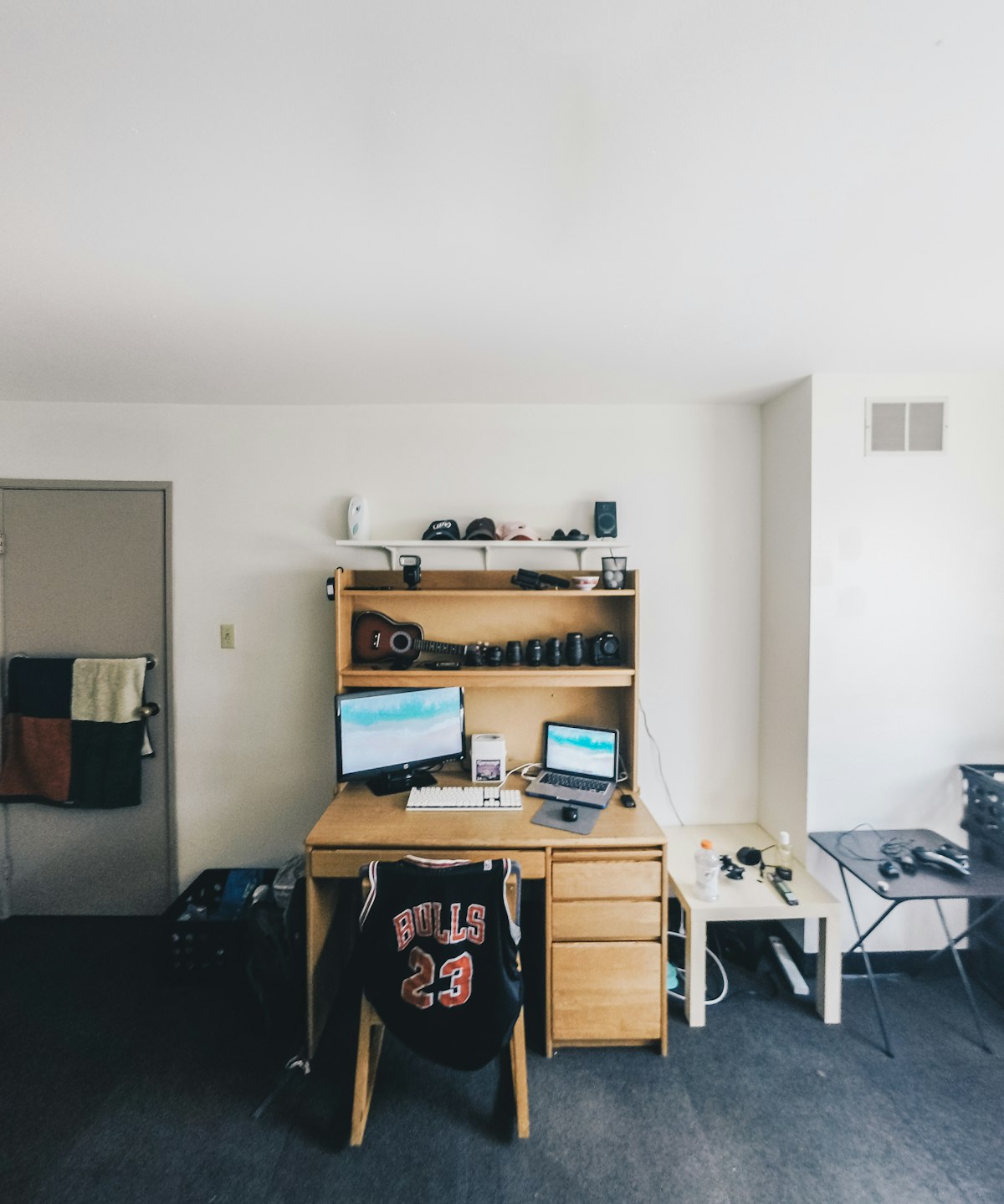
Sleeping in a dorm is a room problem and a schedule problem. Four cheap dials, a carry-kit that fits a drawer, and the two rules that do most of the work.
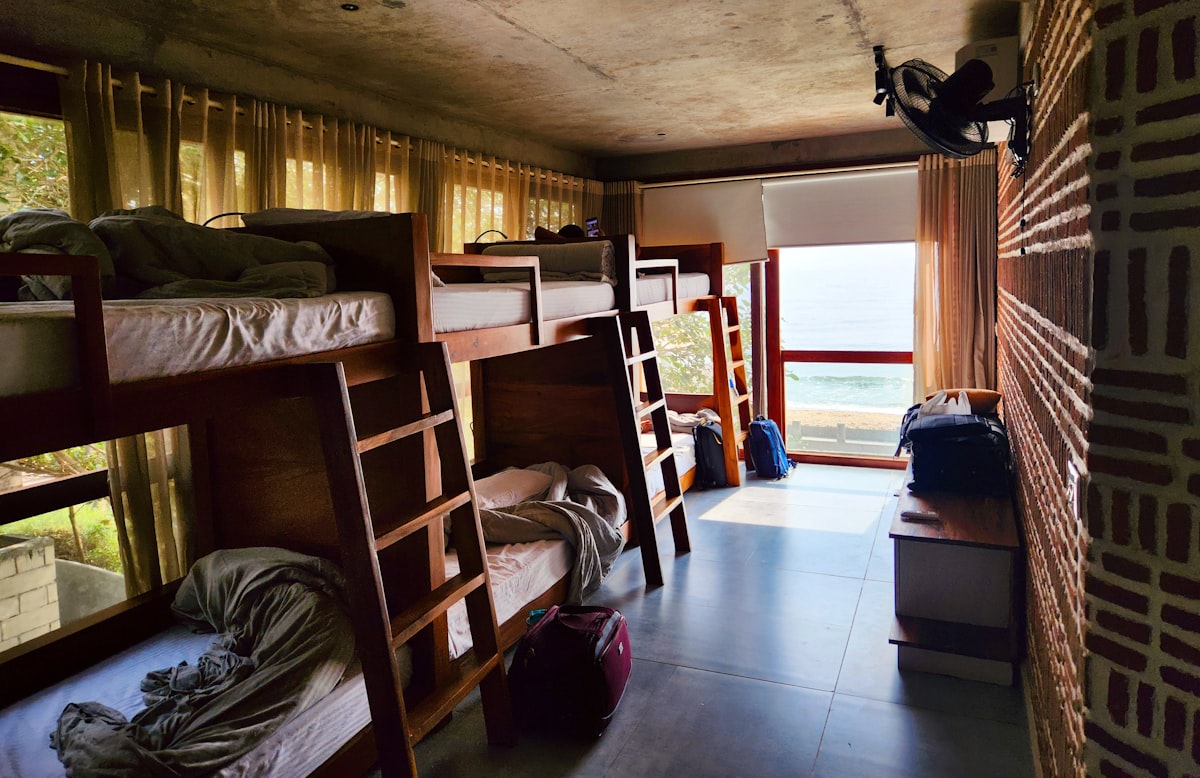
Dorm room sleep without spending real money: the raised-arm darkness test, two dollars of tape, a fan for masking noise, and earplugs worn the right way.
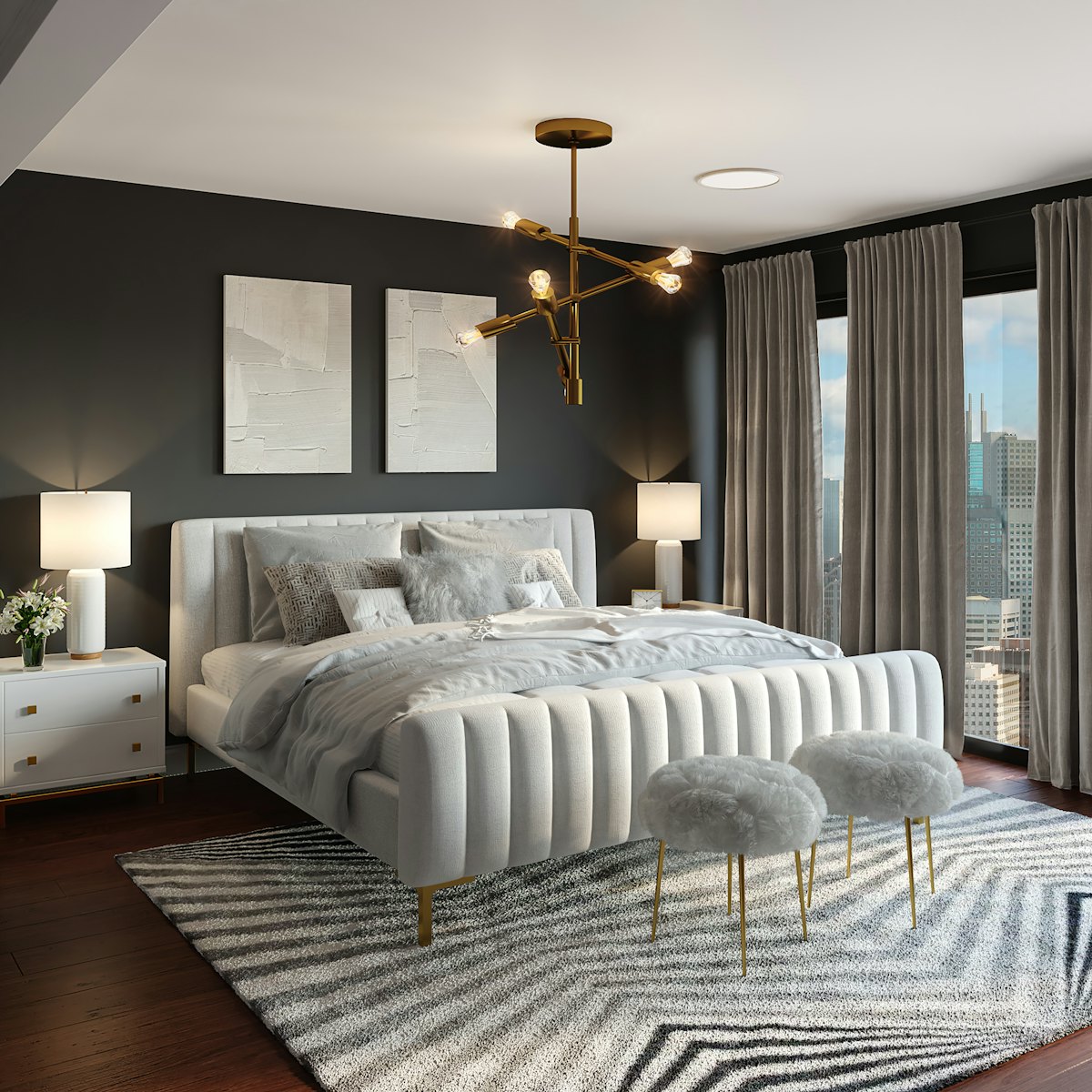
Sleeping near a window means light leaks, drafts, and noise reach you first. The honest problems, the cheap fixes, and when the window is the least of it.

How dark should a bedroom be for sleep: the raised-arm test, the cave-dark standard, what counts as too bright, and where the honest limits sit.