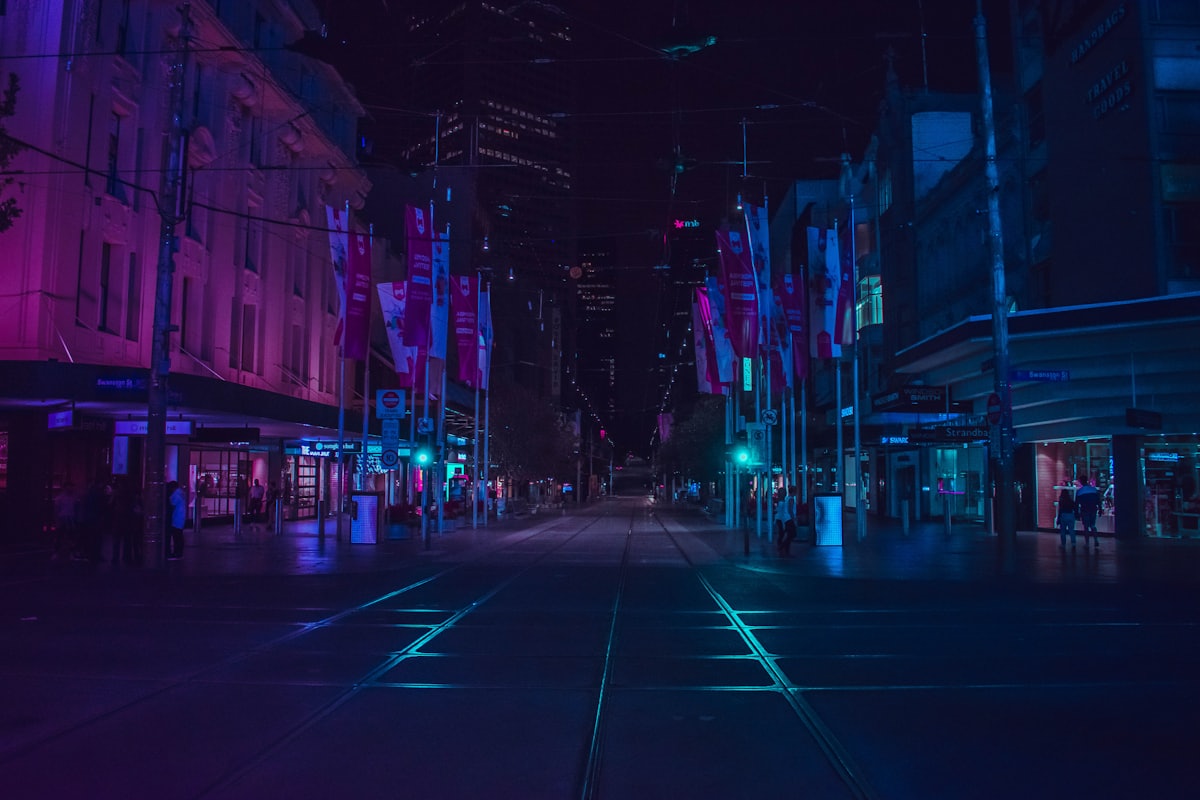
Red Night Lights: Do They Protect Sleep?
A red night light is dimmer and warmer than ordinary bedroom light, but does it actually protect sleep? What the lux numbers say, and when any night light hurts.
A red night light is dimmer and warmer than ordinary bedroom light, but does it actually protect sleep? What the lux numbers say, and when any night light hurts.
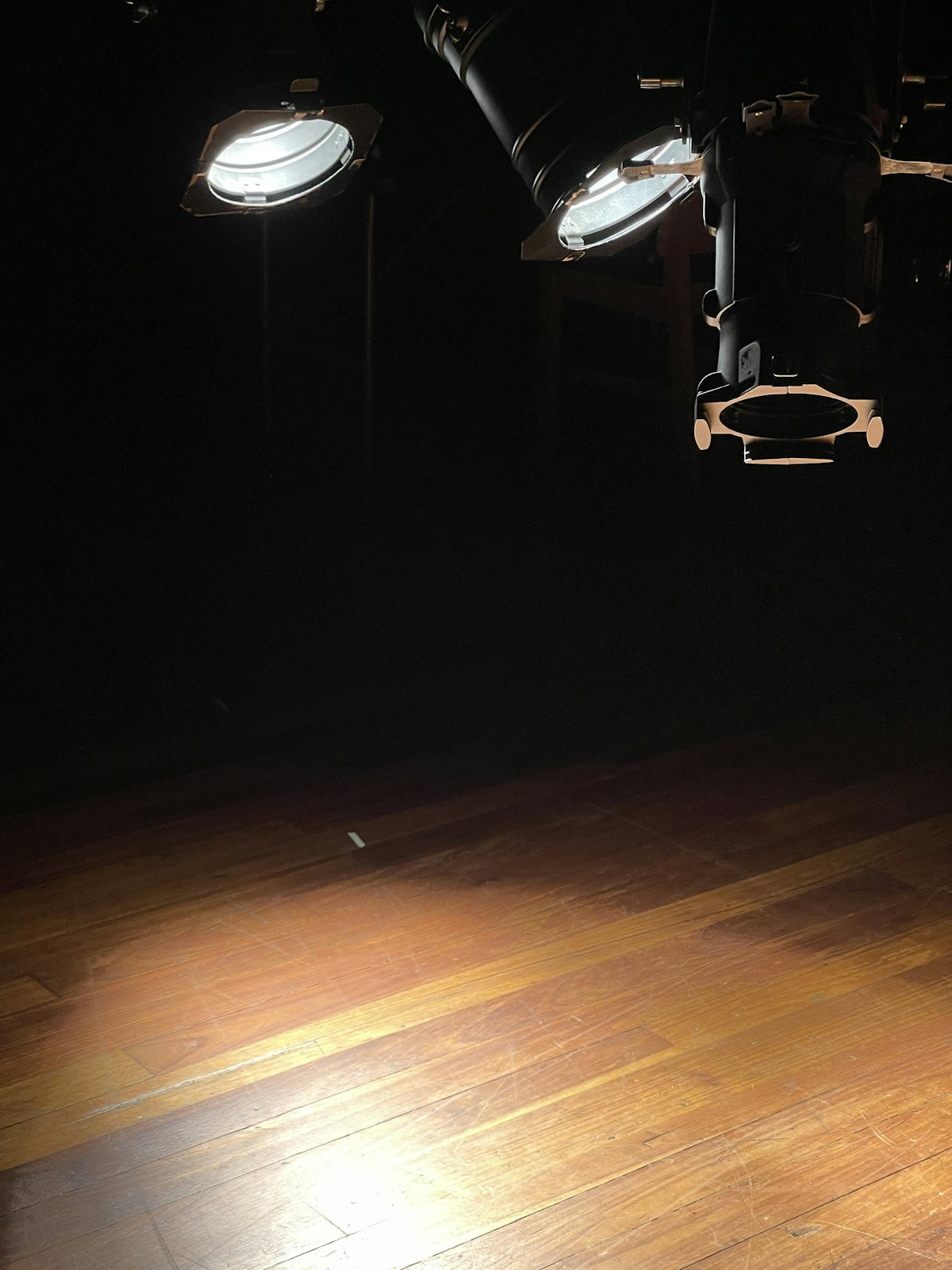
Streetlight through slatted blinds keeps your retinas reporting all night. Find and fix bedroom light leaks with tape, foil, and blackout liners, cheaply.
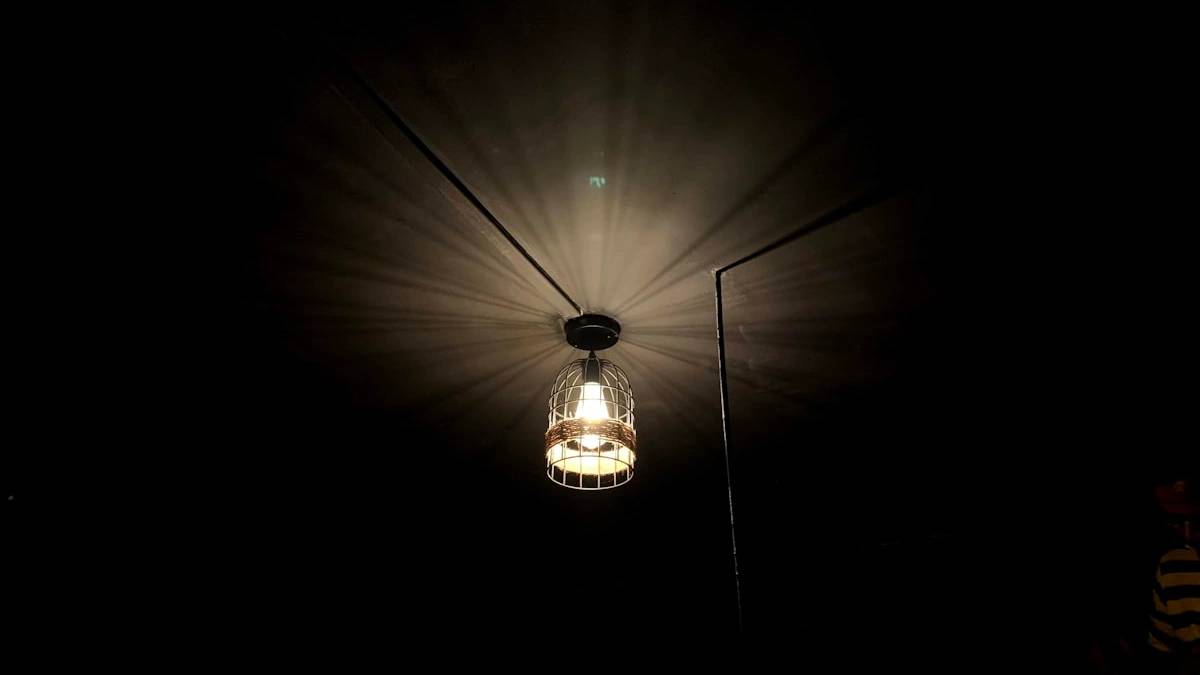
Light and sleep share one rule: your retinas report every glow to the brain all night. Seven LED dots can keep your brain half-dressed for a party nobody invited.
Replace pillows every one to two years by most guidance, but the real test is support, not the calendar. Here's how to check yours tonight for free.
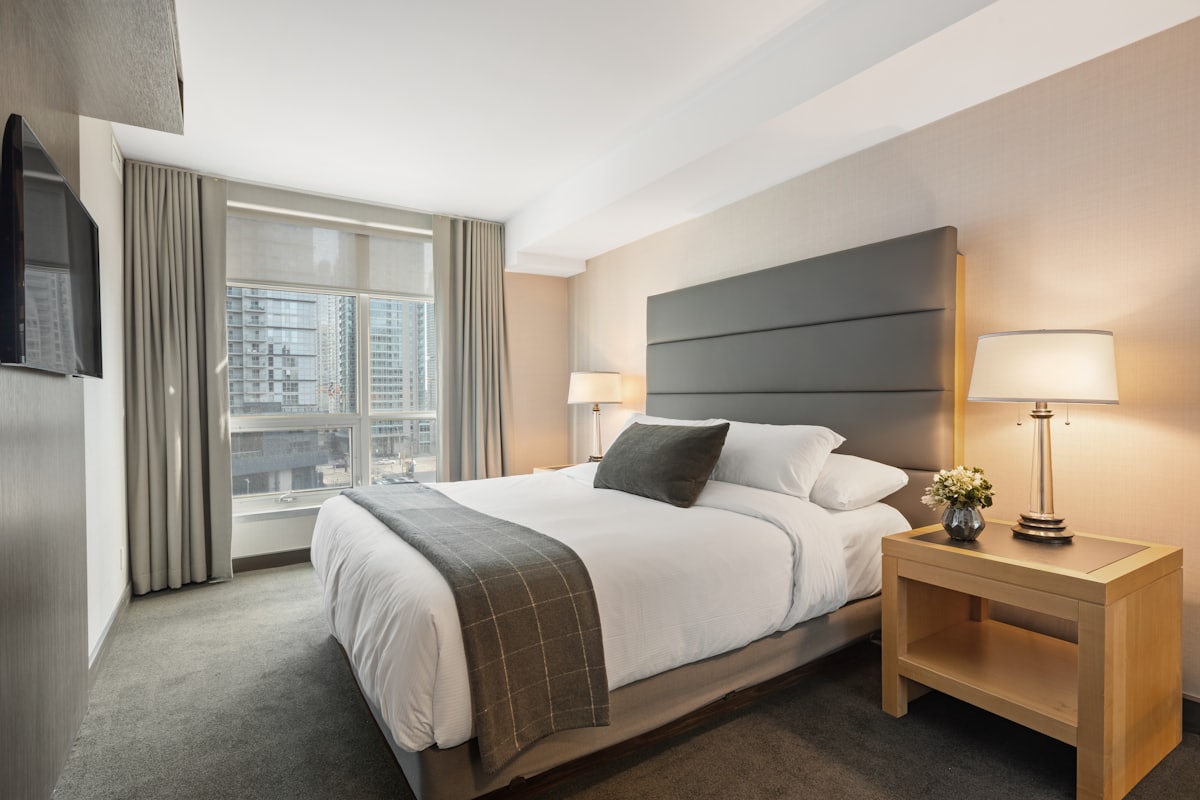
Mattress firmness and sleep quality: the honest evidence on firm versus medium, what actually matters in a bed, and the twenty-minute test that beats any spec sheet.
Sheets for hot sleepers come down to breathability and moisture handling. Which fabrics work, which fail, and the layering trick that beats thread counts.
The best bedding for night sweats works in layers you can shed in stages: moisture-wicking fabrics, a fan for airflow, and exits. What to buy, what to skip.
Thermostat settings for sleep change with the season, but the target stays the same. What to set summer, winter, and shoulder seasons, and why cooler beats warmer.
Cold bedroom sleep: the chill doesn't cause colds, your core temperature needs to drop to start the night, and the workable range runs 60 to 68 degrees.
Sleeping with windows open, honestly assessed: the cooling upside, the noise trade, the allergy season caveat, and the cheap experiments that settle your own case.