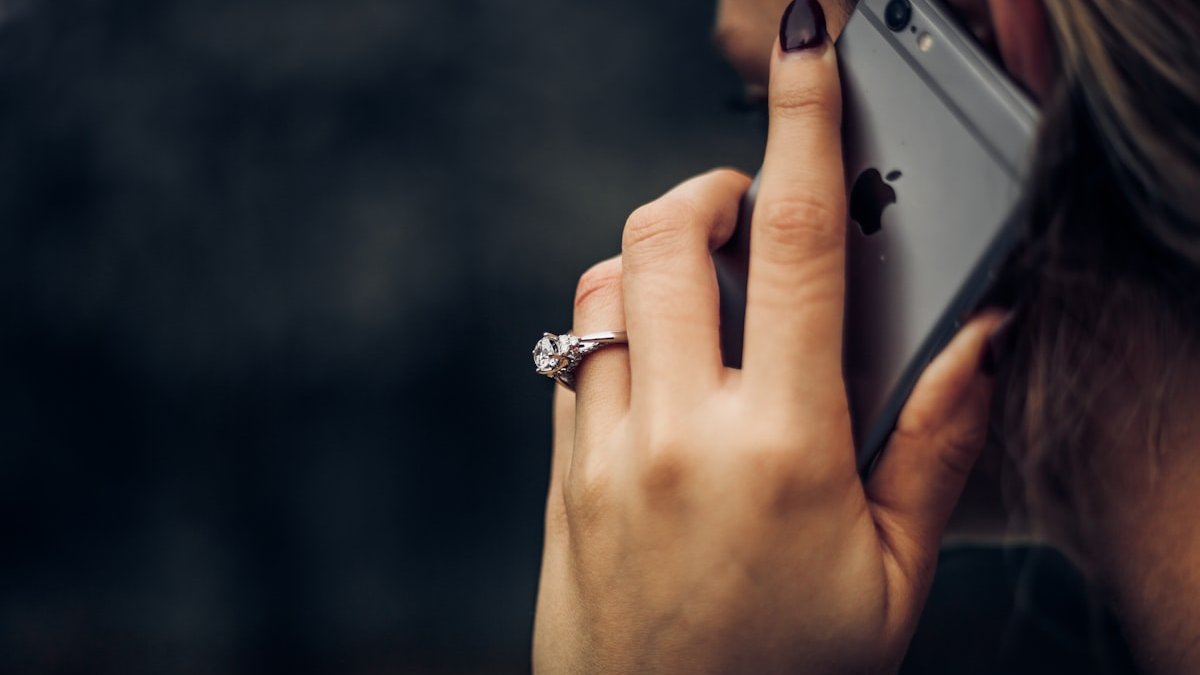
When the Phone Is Your Lifeline: Harm Reduction Screens
When the phone is your lifeline at night, the bare docking rule loses. The harm reduction version: two names, the ringer through the wall, a rule you keep.
When the phone is your lifeline at night, the bare docking rule loses. The harm reduction version: two names, the ringer through the wall, a rule you keep.
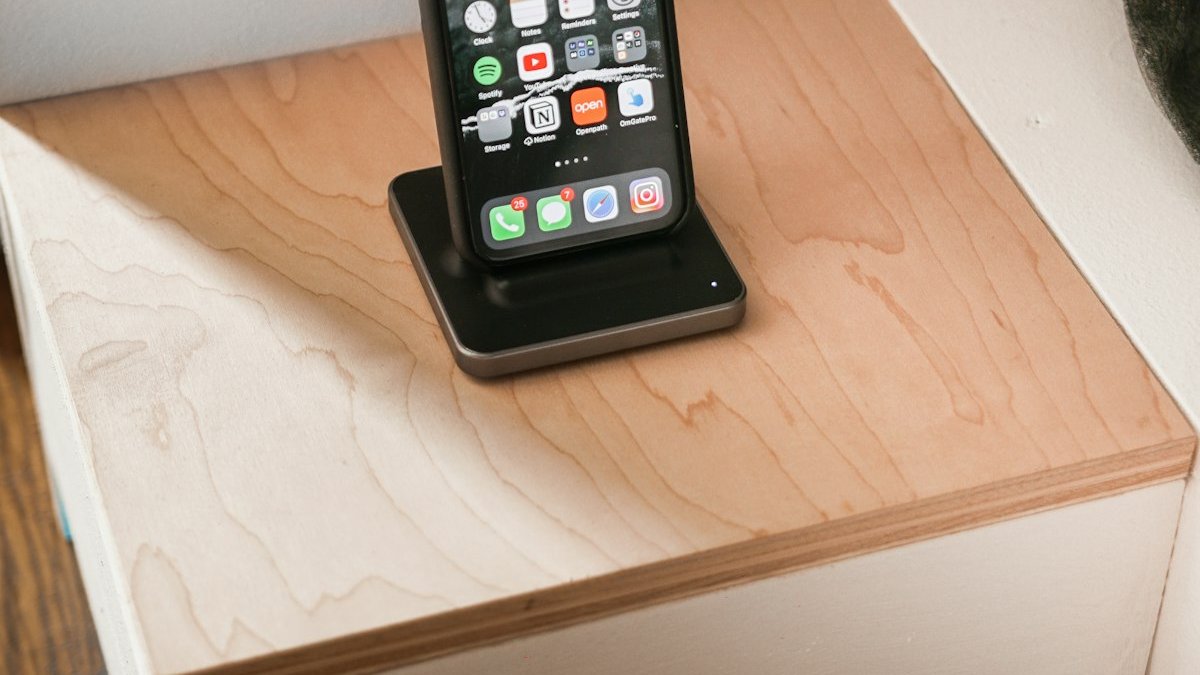
The docking station is one shelf, one charger, and a ten-dollar clock. How a fixed home for the phone fixes evenings without apps, willpower, or firmware updates.

A one-week experiment with no screens after 9pm, day by day. What to expect each night, the stair-steps that keep it honest, and how to read your own results.
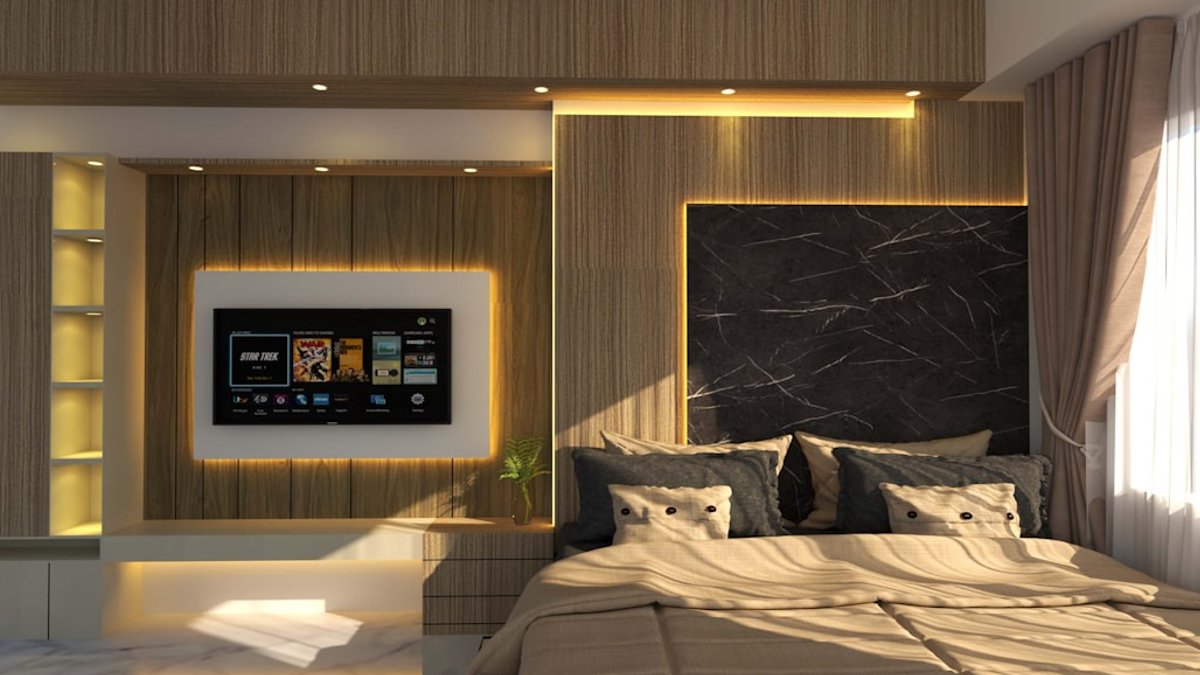
TV in the bedroom is the gentlest screen and the sneakiest habit. What it costs your nights, when a rerun is the honest choice, and the rule that fixes the room.

The phone as alarm clock problem keeps the feed on your nightstand all night. Why the alarm excuse fails, and the ten-dollar swap that ends it for good.
The 3am phone check turns a brief waking into a long night. What one glance costs in light, content, and clock math, and the setup that removes the option.
Reaching for your phone when you can't sleep makes the night shorter and the mind louder. Why the reflex wins, what it costs, and what to do with your hands instead.
The feed at night isn't entertainment, it's a job with someone else's deadlines. Why your brain clocks in for a second shift and how to finally clock out.

Night mode helps a little and fixes the smaller half of the screen problem. What the warm-glow setting really does to your body clock, and what it never touches.
Blue light myths sold you glasses and panic. What the Brigham and Women's experiment actually found, why the dose matters, and what helps for real.