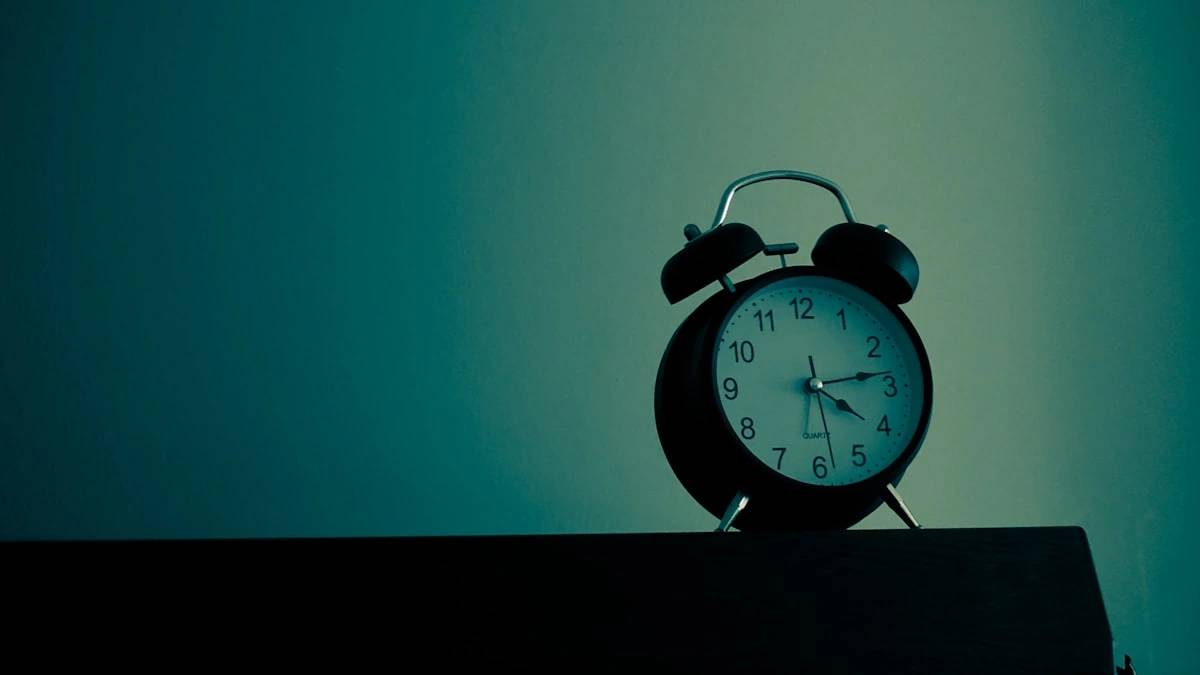
Waking Up at 3 A.M.
How to Survive the Day After a Bad Night
By Nora Vale · June 27, 2026 · 7 min read

The worst hour of my bad-night career wasn’t at 3 a.m. It was 4:45 the next afternoon, standing in the kitchen holding a fourth coffee, having already promised myself an 8:30 bedtime, a sick day, and a permanent personality change. That hour is where bad nights are either allowed to end or quietly converted into bad weeks. How to survive the day after a bad night turns out to be mostly a matter of what you refuse: the lie-in, the rescue coffee, the retreat. The night itself is covered in the waking up at 3am guide; this is the morning after.
Key takeaways
- Keep your ordinary wake time. The fixed wake time matters most on exactly the mornings you least want it.
- The long lie-in is the single worst day-after move; it feels like repayment and works like a time-zone change.
- Daylight, a walk, and an ordinary caffeine cutoff do more than any nap you’re considering.
- Sleep pressure is on your side: the night after a bad one runs deeper, if you let the system self-correct.
The morning: get up anyway
Here’s the counterintuitive center of the whole day. Get up at the ordinary time. Not because suffering builds character, but because the fixed wake time is the anchor this whole system hangs from, and it matters most after a bad night. The reason is sleep pressure, the drowsy cargo you accumulate with every hour awake and unload while you sleep. Stay in bed until eleven, and you unload a chunk of last night’s deficit in the morning, which leaves you with less pressure to spend tonight. The lie-in feels like repayment in the moment and works like a time-zone change by the weekend, and a shifted body clock books you another rough night before you’ve done anything else wrong.
A rough night with a kept wake time costs you a single day. A rough night plus a three-hour lie-in can easily cost you the whole week. I’ve made both trades enough times to have opinions, and one of them is: keep the anchor, accept the day.
Then get outside. Daylight within the first hour or two does quiet, unglamorous work: it stabilizes the body clock you just tempted with a lie-in, and morning light exposure is one of the few levers that reliably helps the following night. A walk counts double, because movement lifts the fog a little and burns nothing you’ll miss. You don’t need a protocol. You need ten minutes of daylight and your shoes on the correct feet.
The middle of the day: spend carefully
The fog is real, and pretending you’re fine is its own kind of lie, so spend the day like someone running on partial charge, because you are. The one input needing actual discipline is caffeine. Coffee earlier in the day is fine, same cutoff as always or slightly earlier, but the rescue fourth coffee at noon is a loan with a 9 p.m. interest rate, and stacking a caffeine problem on top of a bad night is how one bad night becomes three. If you need the afternoon to exist, a ten or twenty minute nap before mid-afternoon is survivable. Longer than that, or later, and you’re spending tonight’s sleep pressure to buy this afternoon’s relief.
The other thing to refuse is the ritual, and this one took me years to see. Mornings are when the verdict gets written, and people who sleep badly tend to conduct the trial brutally: checking the phone for evidence of how badly they slept, tallying the damage over coffee, announcing to coworkers that they’re running on empty. Every one of those rituals raises the stakes for tomorrow night, because you’ve told your brain that tonight is an exam with a public score. The waking gets less frightening when the morning after it stops being a courtroom.
So: up on time, some daylight, a walk, coffee in the morning only, and no sleep-score forensics at breakfast. The day doesn’t need to be heroic. It needs to be boring in the correct direction. If the daylight part is new to you, the morning light and sleep post covers why the first hour outside carries so much of the following night, and the caffeine cutoff gets its full argument in the does afternoon coffee affect sleep post.
The evening: let sleep pressure work
Now the part that actually repairs the night, and it requires almost nothing from you. Sleep pressure builds all day while you’re awake, and the longer you stay up at your ordinary hour, the more of it accumulates. The night after a bad one tends to run deeper and heavier than usual, your body collecting what it missed without asking for instructions. The system self-corrects. Your only job is to not interrupt it.
The interruption is usually the 8:30 retreat. After a wrecked day, collapsing into bed absurdly early feels like the responsible move, but you’re asking a body that’s been awake since six to sleep four hours before its bedtime, and if it isn’t ready, you lie there doing arithmetic again, which is how the second bad night gets manufactured. Go to bed at the ordinary time, or a little earlier if you’re genuinely sleepy, and let the pressure do the pulling. The dread always quotes a worse day than the one that actually shows up, and tonight usually runs better than the fog promised.
The honest flaw in this plan: it doesn’t make the day good. You’ll be duller, shorter with people, and hungrier than usual, and no daylight protocol fixes a two-hour night into a eight-hour one. This is damage control, and its goal is modest: one bad night, paid once, in full, tonight. I can say from a decent collection of bad nights that this works, and that I’m still functional, employed, and mildly smug about it.
And if the bad nights are arriving three or more a week for three months, this isn’t a day-after problem anymore, it’s a pattern, and the structured treatment for patterns outperforms damage control. The what is CBT-I post explains what that treatment actually looks like. Take a week of notes to a doctor and skip the decade of improvisation.
One more piece belongs here, because wine at dinner writes checks the next night collects: if your bad nights cluster after drinking evenings, the nightcap myth post explains the sedation-then-rebound trade without a hint of scolding.
Up on time tomorrow, daylight before ten, coffee before noon, bedtime at the ordinary hour. The night after a bad one is usually the best one you’ll get all month. Don’t stand in its way.
Frequently asked questions
What should I do the morning after a bad night?
Get up at your ordinary time anyway, get outside into daylight within the first hour or two, and move a little, a walk counts. It’s the single most counterintuitive move in sleep, and it works because the fixed wake time is the anchor that keeps tonight from becoming a second bad night.
Should I sleep in after a bad night?
A short lie-in of twenty or thirty minutes is survivable. A three-hour Saturday-morning recovery sleep works like a time-zone change, shifts your body clock, and books you another rough night. The lie-in feels like repayment in the moment and charges you the whole week.
Can I drink more coffee to make it through?
You can use coffee earlier in the day, just keep the cutoff where it normally is, or earlier. A rescue fourth coffee at noon will still be on board at bedtime, and stacking a caffeine problem on top of a bad night is how one bad night becomes three.
Should I go to bed early the next night?
Slightly early is fine if you’re genuinely sleepy. An 8:30 retreat after a wrecked day usually backfires, because you’re asking a body that’s been awake since six to sleep four hours after it wanted to, and it may not be ready. Ordinary bedtime, and let sleep pressure do the work.
The whole system, including the worksheets, is in Sleep, Finally.
This guide is educational, not medical advice. If sleep problems persist for months or wreck your days, see a doctor.