Exercise, Naps & Sleep
Dog Owners Sleep Better: The Two-Walk Effect
By Nora Vale · June 7, 2025 · 6 min read
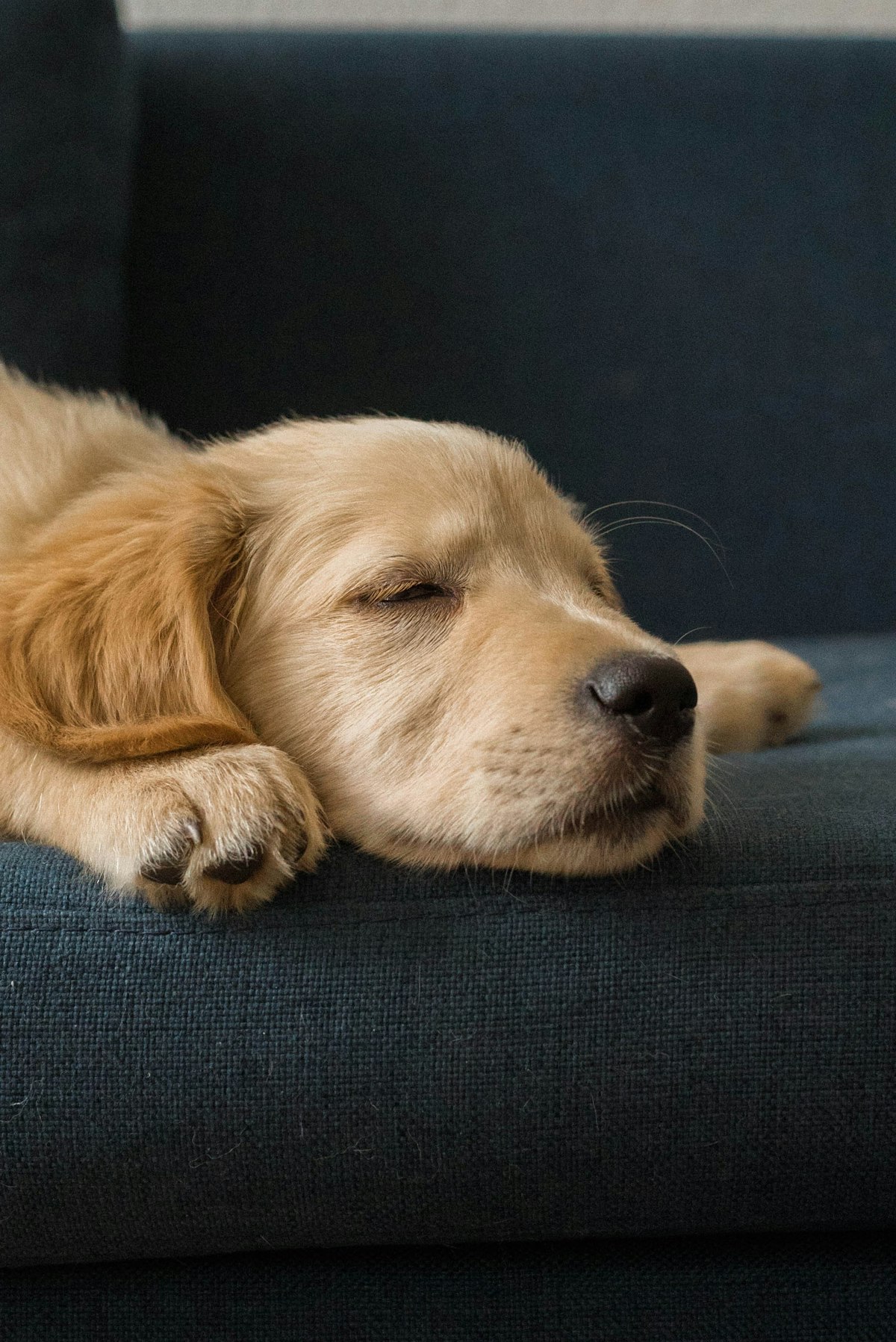
The dog gets credit for a lot of things he didn’t do. He didn’t fix my sleep with love or companionship or whatever the greeting cards say. He fixed it because he demands two walks a day, every day, in all weather, with a face that does not accept “tired” as an answer. That’s the whole mechanism behind why dog owners sleep better, and it’s copyable by anyone, leash or no leash.
The movement and sleep guide (exercise and sleep) lays out the full picture, but the short version is a currency exchange. Drowsiness piles up while you’re awake, faster when the body actually gets used, and a body that spent nothing by evening has nothing to pay sleep with. A dog turns that economy on twice a day without asking you.
Key takeaways
- The dog owner advantage is two anchored walks a day, which is steady movement plus morning light, not some magic of pet ownership.
- Sleep pressure is the currency. Movement earns it, and a sedentary day arrives at bedtime with nothing to pay sleep with.
- The morning walk does double duty as a body-clock anchor; the evening walk burns off restlessness and helps the after-dinner hours.
- No dog required. The same effect copies onto any two anchors you already keep, like lunch and after dinner.
The two-walk effect, unpacked
Walk through what the dog actually schedules. The morning walk lands daylight in your eyes near the start of your day, which anchors the body clock that decides when tonight’s sleepiness arrives. The evening walk, after dinner, spends the last of the day’s restlessness, helps digestion, and quietly drains the fidgety energy that would otherwise follow you to bed. Between the two, you’ve banked movement in two doses, which is easier to keep than one heroic gym session and better distributed across the day.
The dose is more forgiving than people assume. In the National Sleep Foundation’s surveys, people who move at all sleep better than people who don’t, and the jump from nothing to something is the biggest jump available. None of it looks like exercise. All of it is movement, and your sleep doesn’t check your outfit. A dog walk isn’t training. It’s a scheduled deposit, and it clears every single day because a leash has no snooze button.
My own worst-sleeping year was also my most sedentary, which I didn’t connect for months. The fix that moved the needle was almost insulting in its simplicity: walking, forty minutes in the morning and twenty when life tangled, and within about two weeks the nights got their edges back. The dog had been prescribing that for years. I’d just been treating the walks as chores rather than as the cheapest sleep tool I own.
Why the dog beats your calendar
Here’s the part worth stealing even if you never get a dog. The walks happen because they’re anchored, not because anyone feels motivated at 7 a.m. in February. Motivation is a terrible scheduler. Anchors work. The dog doesn’t care how your meeting went; dinner ends, leash, door, and the habit piggybacks on events that occur every day whether you feel like it or not.
That’s the exact design you can copy. Attach one walk to lunch, since the midday dip is coming anyway and twenty minutes outside softens it. Attach the second to after dinner, and let it be small, to the corner and back, because a body ready for bed at the end of it beats a perfect routine you skip. Nobody’s sleep grades the distance. Your sleep responds to the doing, not the finishing.
And the honest bit: dog owners don’t automatically sleep well. A dog that sleeps until noon with you, no morning walk, treats at every whine, produces the same sedentary day as anyone else’s. The advantage isn’t the dog. It’s the schedule the dog enforces, which means anyone can run it.
Copying the effect without the dog
Three moves, in the order I’d rank them.
- Pick two anchors you already keep. Lunch and after dinner are the classics, because they happen on bad days too. The walks attach to the meals, not to your mood.
- Keep both walks boring. Twenty minutes, phone left on the desk, same loop. A habit that shrinks on a busy day, to ten minutes around the block, survives better than one that breaks.
- Get the morning one outside. Even overcast daylight beats indoor lighting for the body clock, which is why the morning walk pulls more weight than its step count suggests.
If you want the deeper version of the walking piece, it has its own post at walking for better sleep, and the morning-light side of the equation lives at morning walk benefits for sleep. For the other end of the day, the after-dinner walk gets its own treatment at after dinner walks.
One honest limit before the questions. Movement helps most nights, and it is not a cure. If you walk twice a day for weeks and still lie awake at three, the cause probably isn’t a step deficit, and it’s worth reading the 3 a.m. wake-up guide or taking it to a doctor. Better nights aren’t a purchase. A twenty-minute walk is a sleep supplement that costs nothing, and supplements have limits.
What the dog also teaches: the routine survives the mood
There’s a second lesson inside the two-walk effect, and it’s about bad days. Every dog owner knows the version of the evening where nothing went right and the walk happened anyway, because the dog doesn’t negotiate. That’s the property worth protecting in your own version. The routine that happens every night, however small, is the only routine your body gets to learn. A beautiful hour-long plan you manage twice a week teaches it nothing except that Tuesdays are strange.
So let the walks shrink rather than break. Ten minutes around the block on the packed day, the full loop on the easy one. A habit that shrinks rather than breaking keeps the chain alive, and chains are what your body clock reads. I think about this most on the days I’d rather skip, because those are the days the deposit matters more. The dog never once accepted that logic from me, which is probably why he’s a better trainer than most of the sleep industry.
Worth naming, too, that the effect compounds quietly. A week of two walks looks like nothing in a log. Three weeks in, the afternoons have a floor under them and bedtime stops feeling like a negotiation. That lag is the part people misread: they try movement for four days, see nothing, and quit, which is exactly the wrong experiment length. Give it two honest weeks before you grade it, the same runway the dog never needed because he never once checked.
Frequently asked questions
Why do dog owners tend to sleep better?
Because the dog schedules two walks a day whether anyone feels motivated or not. That’s consistent daily movement plus morning daylight, and both build sleep pressure and steady the body clock. Surveys from the National Sleep Foundation back the pattern: any regular movement beats none, and dog owners get it by default.
How long do the walks need to be to help sleep?
Twenty to forty minutes across the day is plenty to matter. Two shorter walks beat one weekend epic, because your sleep responds to the doing, not the finishing, and a daily habit out-earns an occasional heroic one. On packed days, ten minutes around the block keeps the chain alive.
Does the morning walk matter more than the evening one?
They do different jobs. The morning walk delivers daylight early, which anchors the clock that decides when sleepiness arrives tonight. The evening walk burns off after-dinner restlessness and helps the wind-down. If you can only keep one, keep the morning one, and let the evening walk shrink before it disappears.
I don’t have a dog. Can I copy the effect?
Yes, and it’s the whole point of the post. Attach two short walks to anchors that happen every day regardless of mood, lunch and after dinner being the reliable pair. Motivation is a terrible scheduler. Anchors work, with or without a leash, and the dog was never the active ingredient.
This guide is educational, not medical advice. If sleep problems persist despite regular movement and sane evenings, a doctor is the right door.