How to Set a Nap Policy That Works for You
A nap policy is three decisions: length, timing, and where. Keep it in the shallow end, inside the 1–3 dip, and off your own bed. Here's how to set yours.
A nap policy is three decisions: length, timing, and where. Keep it in the shallow end, inside the 1–3 dip, and off your own bed. Here's how to set yours.

Sleep inertia is the thick-headed hangover after a nap blows past thirty minutes into deep sleep. Why long naps backfire, and how to nap without the fog.

20 minute naps keep you in the shallow end of sleep: enough to soften the afternoon dip, short enough to dodge the sleep inertia that wrecks your night.

The 1pm dip is circadian biology, not a sandwich failure. Why the slump arrives on schedule, the twenty-minute nap rule, and what actually helps it.
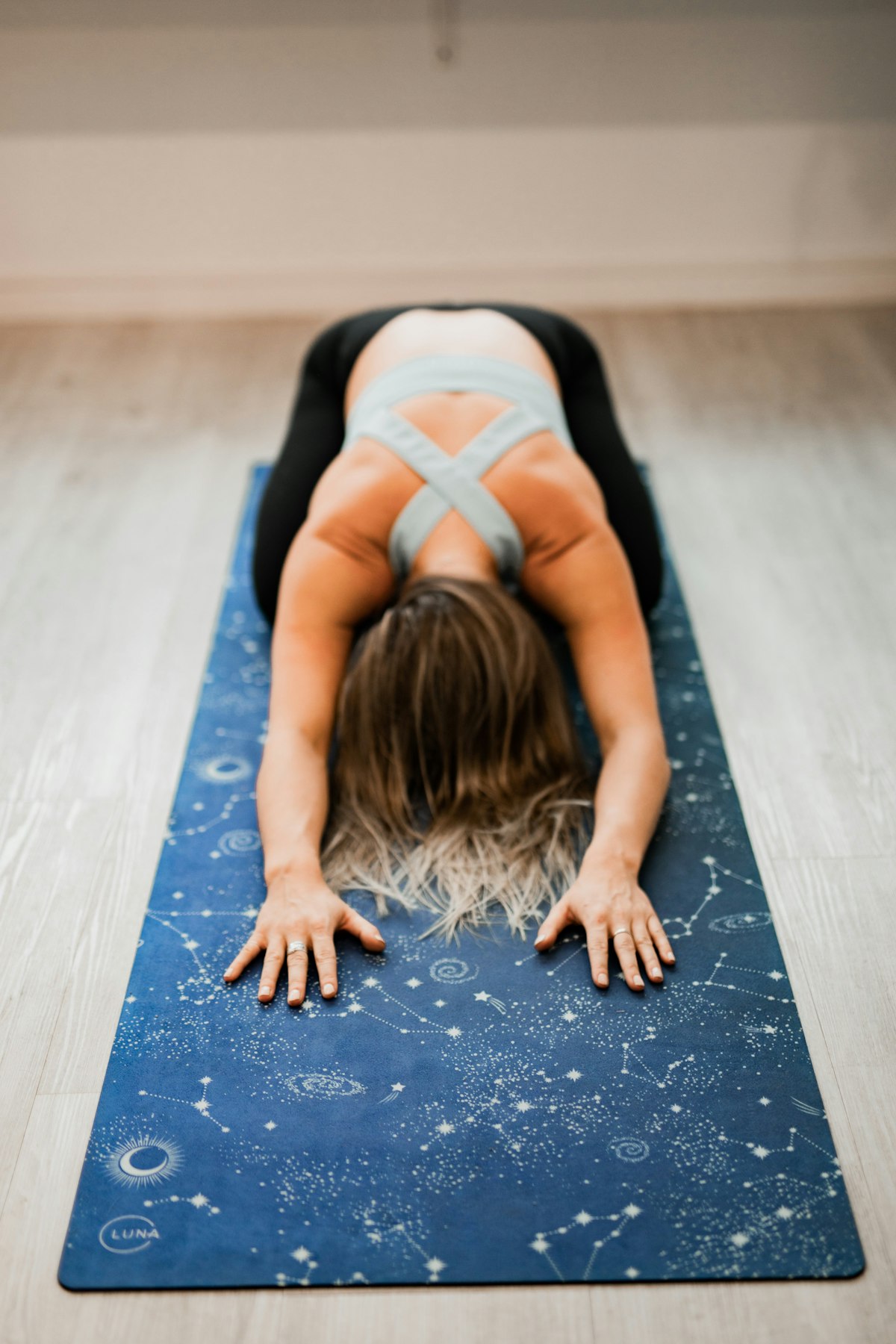
Ten evening stretches to replace late scrolling: a slow floor sequence for the last hour before bed, why gentle beats ambitious, and how the habit sticks.

Yoga vs stretching before bed: what the evidence says, why slow practice works as a wind-down bridge, and how eight boring minutes fill the body slot.
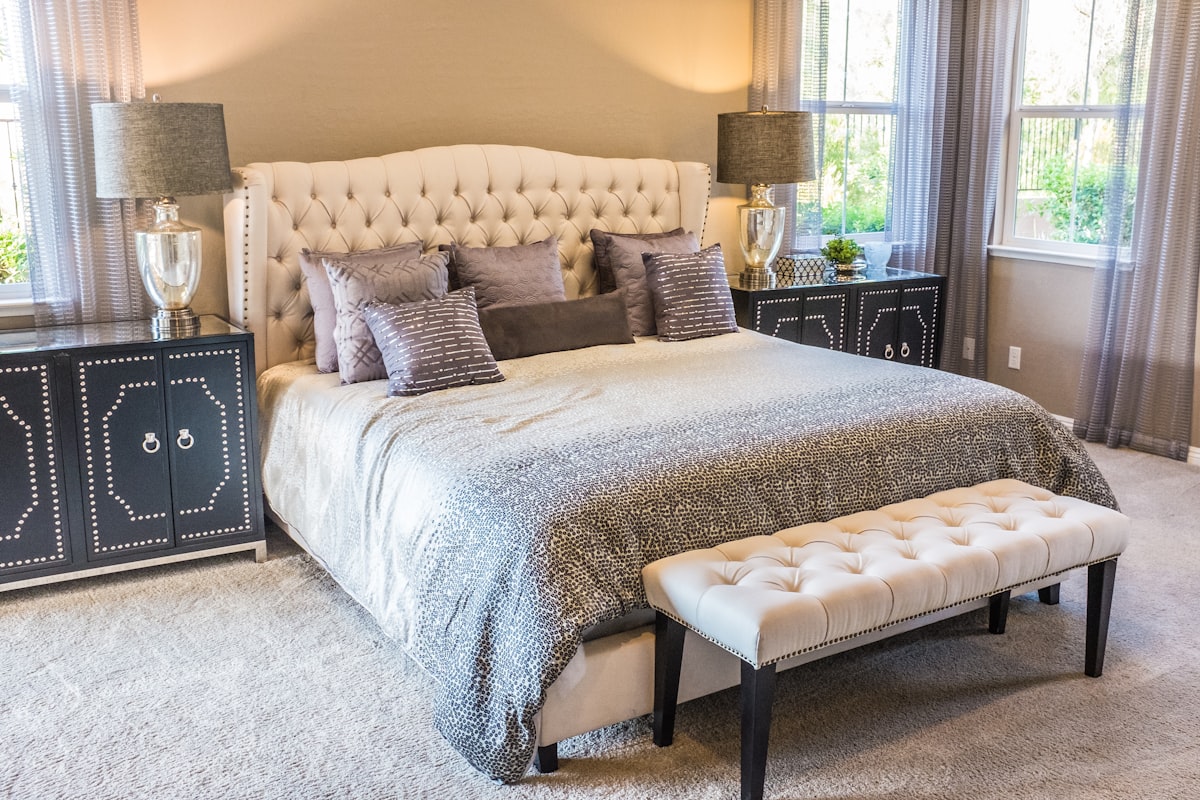
Which is better for sleep, weights or cardio? The research answer is an anticlimax. What actually matters for strength vs cardio sleep, and the week to prove it.

How long naps should be comes down to sleep pressure: ten to twenty minutes stays in the shallow end, past thirty you wake groggy, and after four the night pays.

You can work out at night without wrecking your sleep. The never-exercise-after-six rule fails when tested, and evening exercisers get more deep sleep, not less.
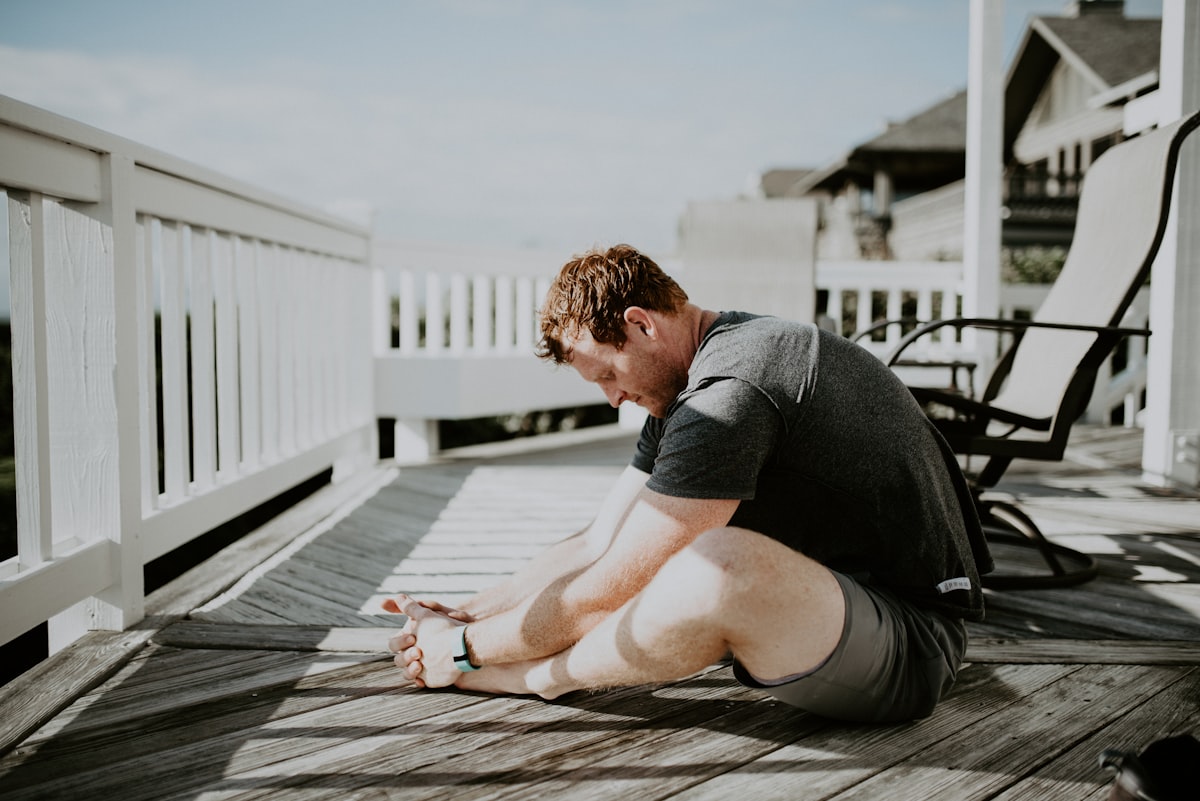
The best time to exercise for sleep is the hour you'll actually keep. Morning, lunch, or evening compared, with the one real rule about vigorous effort and bedtime.