
How Long Jet Lag Really Lasts
How long does jet lag last, honestly? The one-day-per-time-zone myth, what the clock can and can't do, and the light rules that speed recovery up.
How long does jet lag last, honestly? The one-day-per-time-zone myth, what the clock can and can't do, and the light rules that speed recovery up.

Adjusting to night shift time takes two to three weeks with an anchor sleep block, managed light, and a cave-dark bedroom. What speeds it up, and its honest limits.

Shift work permanent jet lag, explained: why rotating schedules hit like endless time-zone travel, the anchor sleep block, and what light can and can't fix.

Melatonin for night shift work is everywhere, but the evidence is thinnest exactly where you work. What matters more: anchor sleep, a dark room, and light timing.

A split sleep schedule can work for night workers if it's built around a 3-4 hour anchor block kept at the same clock time, days off included.
Switching from nights back to days without wrecking yourself takes an anchor block, a real plan for the last shift, and honest math. Here's the full protocol.

Shift work and depression are linked in long-term studies, and the road runs both directions. What the research shows, why sleep is the bridge, and when to get help.

Shift work and long-term health research is uncomfortable reading, and this is the honest version. What the numbers say, what you control, and when to see a doctor.

Why night shifts upset your stomach: your gut runs on the same body clock as your sleep. What helps, from meal timing to reflux fixes worth testing first.
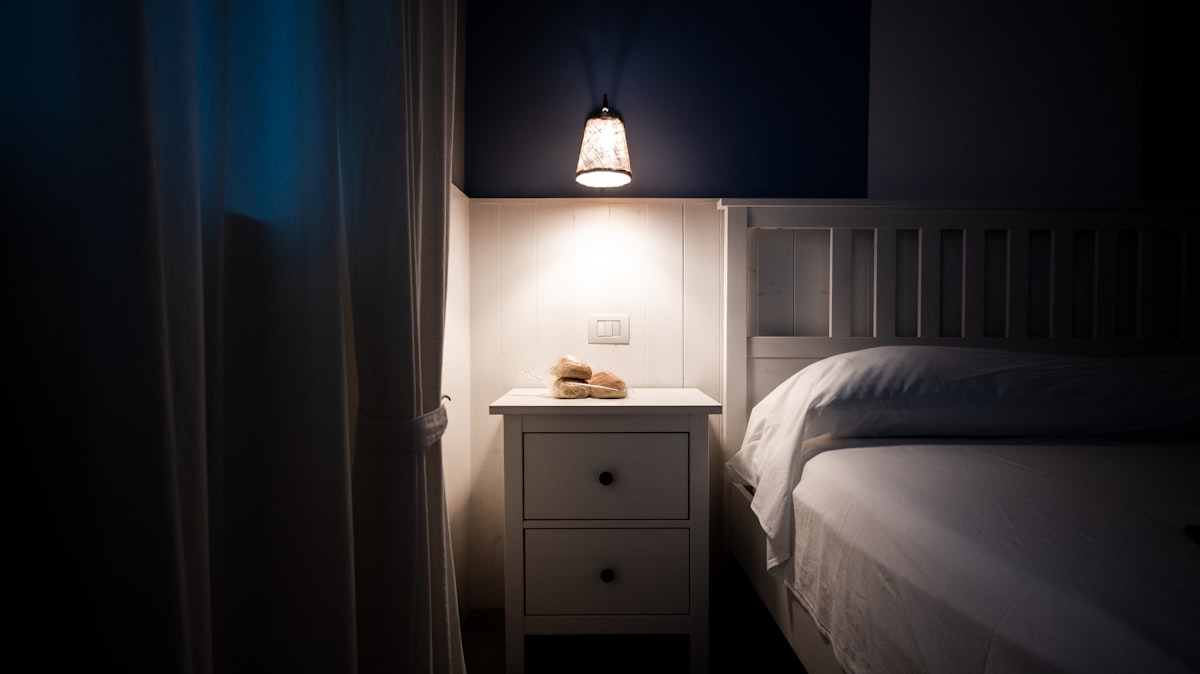
Blackout curtains vs sleep mask for day sleep: which one actually protects a shift worker's daytime rest, when to use both, and what each one can't fix.