Shift Work & Jet Lag
Is Shift Work Just Permanent Jet Lag
By Nora Vale · November 17, 2025 · 8 min read

It’s 3 a.m. on the ward and you’re doing drug rounds with the particular clarity of someone whose body thinks it’s a bad dream, and somewhere around the fourth week of this rotation a colleague says the thing everyone says: you get used to it. You don’t. That’s the first thing to hear, before any tactics, and I want to say it plainly because the sleep advice aimed at night workers usually skips it and goes straight to blackout curtains.
So, is shift work just permanent jet lag? Functionally, yes, and the comparison is worth taking seriously rather than waving at. Jet lag is your body clock living in one time zone while the clock on the wall insists on another. A night shift, especially a rotating one, asks your biology to commute between zones every few days, forever, and the fatigue you feel is the adjustment that never finishes. If you work nights, you deserve the respect of that framing before the tips. The full playbook lives in my shift work sleep guide; this post is the why underneath it.
Key takeaways
- Shift work asks your body clock to commute between time zones, so the adjustment never finishes and the fatigue is that unfinished trip.
- The single most useful move is an anchor sleep block: three to four protected hours at the same clock time every day, days off included.
- Light is the main lever: bright early in the shift, dim in the last hour or two, dark glasses on the ride home.
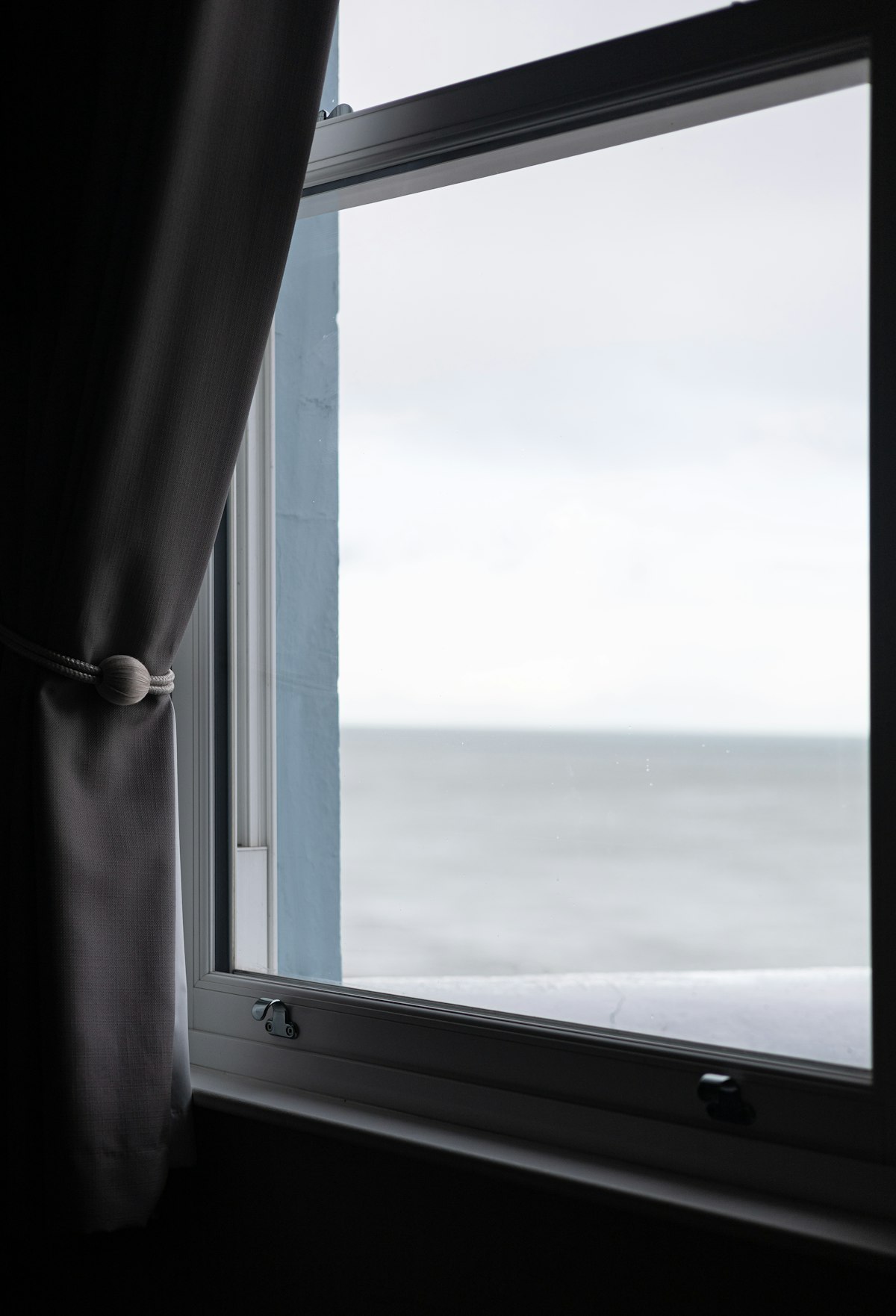
- The bedroom has to be cave-dark at one in the afternoon, which usually means covering the glass itself.
- Never drive home after a night shift when you’re losing the argument with sleep. Nap first, take transit, or call the car.
The body clock doesn’t negotiate on your schedule
The problem isn’t discipline, and it isn’t age, and it isn’t that you’re handling it wrong. The circadian clock is a physical system that takes its setting from light and timing, and it moves slowly, with the right inputs, in the direction the inputs point. You can’t order it to adjust by Friday. What you can do is feed it consistent evidence about which hours are night, and that is a negotiation rather than a decree.
My friend Nadia spent sixteen years on a ward that rotated day to evening to night in whatever order the roster happened to run, and she describes her sleep in those years as “permanently jet-lagged while never leaving home,” which is a better description of the problem than most textbooks manage. The book’s version of the cost is blunter: “Flip-flopping feels like freedom. It costs like a hangover, and the bill arrives Monday night when the shift starts and your body files its objection.” Every flip re-launches an adjustment that takes days, so a roster that flips weekly means you are permanently mid-flight.
The anchor sleep block
The heart of the answer costs nothing and offends nobody’s manager: an anchor sleep block. “A core chunk of three to four hours kept at the same clock time every single day, days off included, so your body finally has one protected window it can rely on no matter what the roster did to the rest of the night.” If you get home at 8 a.m., the anchor might be 9 to 1, and on your first day off it’s 9 to 1 again, even while the rest of the world is at brunch.
Breakfast at 1:30 p.m. is not a triumph of work-life balance. It’s the price your body charges to know when sleep is coming, and it buys more than it costs, because the anchor is the one fixed point everything else can organize around. Choose it near your real arrival home, not at some idealized hour from a morning-person’s blog. If the whole system of protecting a window under a hostile roster is new to you, anchor sleep for shift workers walks through the setup, and how to build an anchor sleep block that sticks covers the part where life tries to eat it.
Light: the lever that runs both directions
The clock takes its setting mostly from light, so light is the lever, and it cuts both ways across a night shift. Spend the first half of the shift in the brightest reasonable environment the building allows, the lit unit, the bright break room, a strong desk lamp, because bright light early pushes your clock later, which is what this schedule needs. Then dim. In the last hour or two before home, drop the lights as much as the job permits, because bright light at the wrong end of the shift quietly undoes what the first half built.
The ride home is where the plan most often dies. Morning light through a windshield tells your clock the day has started, right before you ask it to sleep, so dark sunglasses on the commute, in real darkness only, are cheap and disproportionately useful. And the bedroom has to be able to fight noon. “Your bedroom needs to be cave-dark at one in the afternoon, which usually means covering the glass itself.” Cardboard, foil, blackout fabric on the glass, plus earplugs and a fan, and the whole kit costs less than one dinner out. I’ve done the room-by-room version in blackout bedroom for day sleep, and how to sleep after a night shift assembles the full first-day sequence.
The one place I get close to a must
Everything else here is negotiable, and this isn’t. Staying awake for seventeen hours or more impairs reaction time roughly as much as a blood alcohol level around 0.05 percent, which is old, heavily repeated sleep-deprivation research that NIOSH leans on in its training, and plenty of night-shift commutes sit squarely inside that window. Night-shift workers also show measurably higher crash rates on the drive home, and the microsleeps involved last a few seconds each, which sounds small until you do the math at sixty miles an hour.
So this is the one place in the whole book where the author and I get close to bossy. Don’t drive home after a night shift when you can feel yourself losing the argument with sleep; nap before the drive, take transit, split the ride with whoever shares your roster, call the car. Everything else in this post is a suggestion. This one isn’t. A twenty-minute nap on the parking lot shoulder of your schedule is a smaller price than the alternative, and drowsy driving warning signs after a night shift lists what to watch for, including the honest fact that if sleep is winning at the wheel, the fight is already lost.
What no tactic fixes
The honest close, because this deserves it more than any other topic on this site. Some rosters cannot be repaired. A backward-rotating schedule that flips every two days will beat any amount of blackout cardboard, and pretending otherwise would be selling you a gadget. “For those situations this chapter is damage control, not a cure.” Run the anchor anyway. Darken the room anyway. The tactics won’t give you a night worker’s version of eight glorious hours, but they reliably shrink the damage, and smaller damage is a real win, the kind that keeps a career sustainable instead of grinding it down.
If the pattern has been wearing you down for months despite all of it, that’s a conversation for a doctor, not a failure of willpower, and asking for help is a sleep skill too. The clock can be argued with, but never for free. The anchor is how you decide what the argument costs.
Frequently asked questions
Is shift work really equivalent to permanent jet lag?
Functionally yes. Jet lag is a body clock and a wall clock in different zones; shift work, especially rotating shift work, deliberately keeps them in different zones. The fatigue is the same unfinished adjustment, minus the vacation at the end.
What is an anchor sleep block and why does it work?
Three to four hours of sleep protected at the same clock time daily, days off included. It works because it gives the clock one stable reference point, so every other rhythm has something to organize around even when the roster wrecks the rest of the night.
How do I sleep in daylight after a night shift?
Cover the glass itself with cardboard, foil, or blackout fabric, and add earplugs plus a fan for the daytime noise. A cave-dark, cool, quiet room at 1 p.m. is the difference between real sleep and four hours of surfacing.
Should I nap before or during a night shift?
A 20-to-30-minute nap before the shift or in a break helps, with an alarm, kept short enough to avoid waking from deep sleep groggy. And a nap before the drive home is the single highest-value nap in the working week.
Can any schedule make night work sustainable?
Anchor sleep, cave-dark days, bright-early-dim-late light management, and forward rotation, day to evening to night, are the moves with the best evidence. For unfriendly rosters, they reduce damage rather than cure it, and that’s a legitimate goal.
Pick the anchor tonight, even a sloppy one, and defend it for two weeks before judging it. The nap strategies that fit around a shift are covered in how long to nap before a night shift, and if travel is part of your year, jet lag how long to recover explains the clock’s actual timeline. You’re not failing at sleep. You’re doing the hardest case in the book, and the tools exist.
This guide is educational, not medical advice. If sleep problems persist for months or wreck your days, see a doctor.