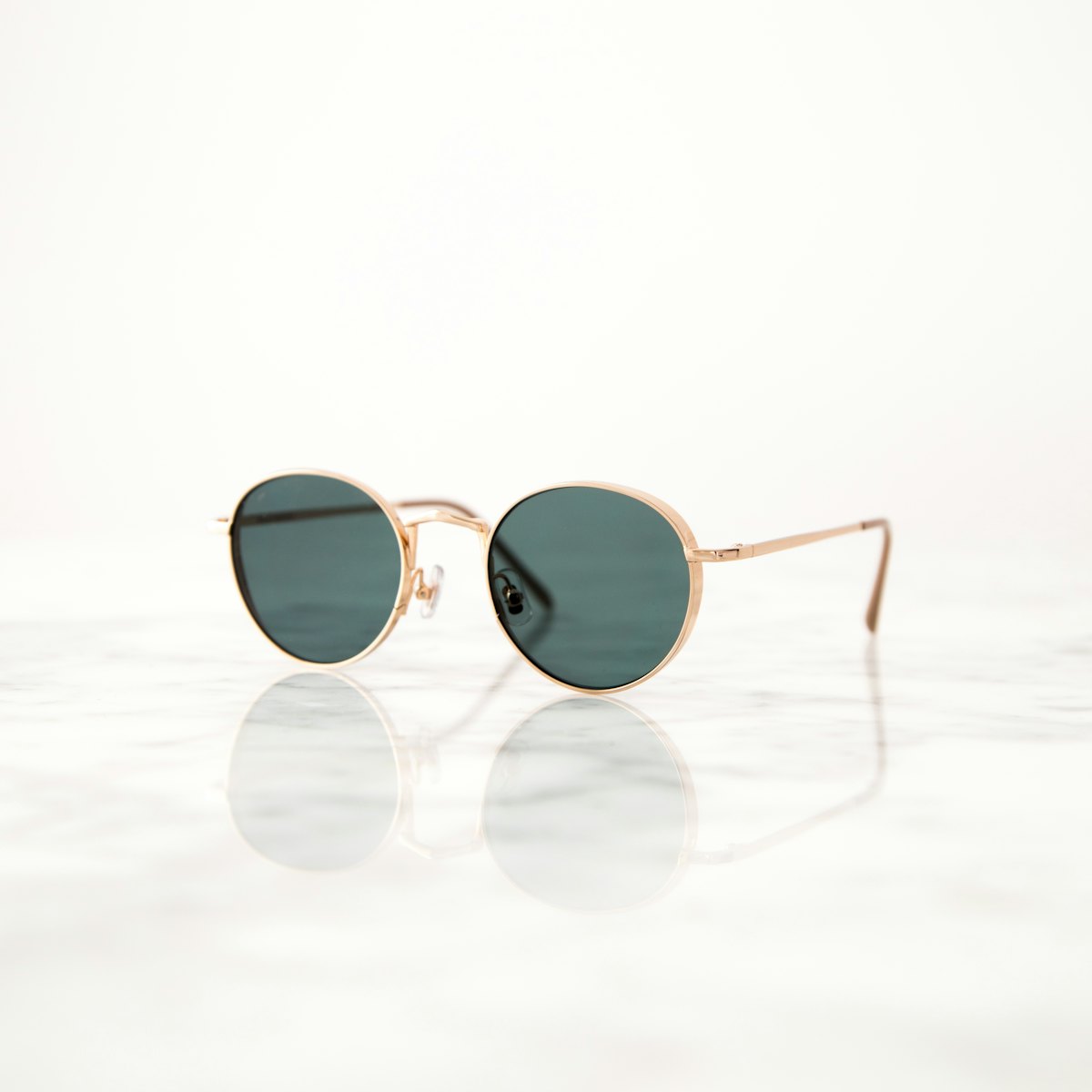
Sunglasses After Night Shift — Why It Works
Sunglasses after night shift sound like theater, but morning sun tells your clock to wake up at the exact moment you need to crash. Why it works, and how to run it.
Sunglasses after night shift sound like theater, but morning sun tells your clock to wake up at the exact moment you need to crash. Why it works, and how to run it.

Rotating shift schedule survival comes down to rotation direction, one anchor block that survives the swing, and light you control. What works, and what to ask for.

How to sleep during day after night shift comes down to one anchor block, a room that fights noon, and light handled at both ends of the shift. Here's the kit.

Melatonin doesn't knock you out; it tells your brain what time it is. Understanding the darkness-signal model changes how you dose it, time it, and what to expect.
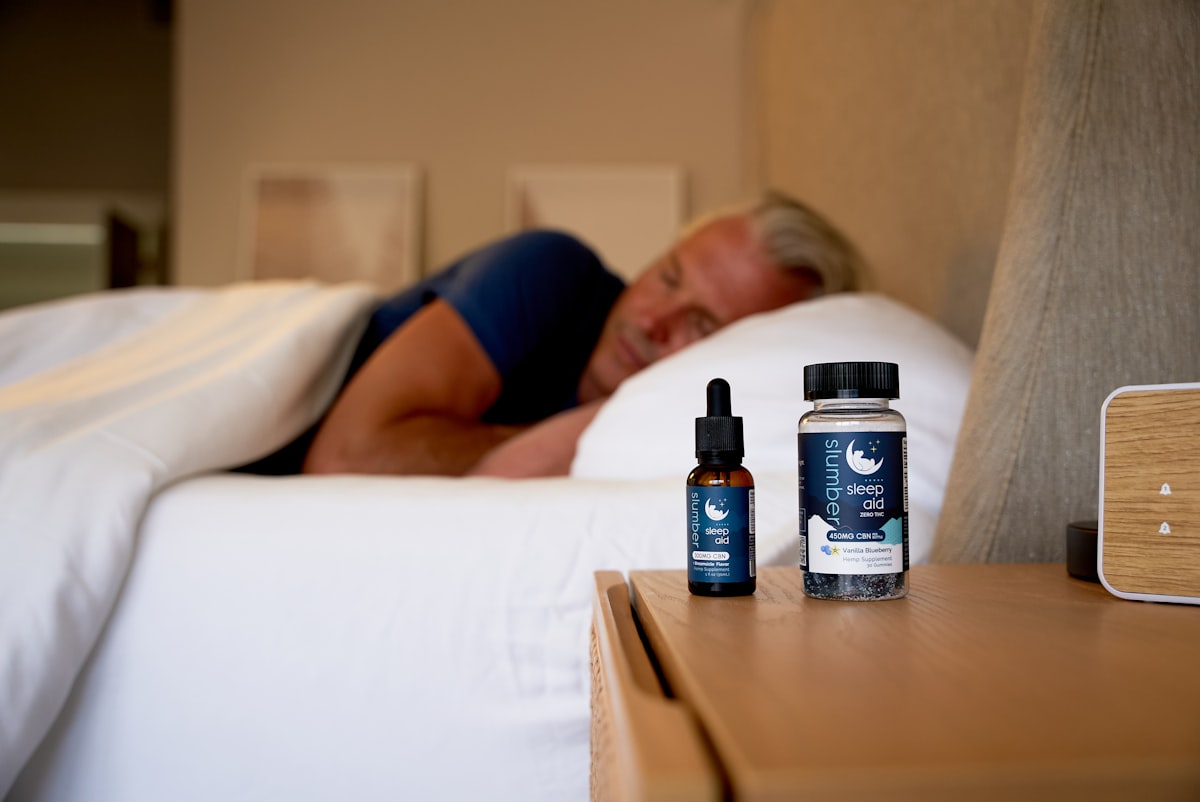
Melatonin doses for jet lag run 0.5 to 5 mg in studies, and lower often works better. What the evidence says about timing, dose, duration, and honest limits.

Melatonin for jet lag works, but as a timing signal, not a sedative. The honest evidence, the 0.5 to 5 mg range near local bedtime, and what wastes it.

How to prepare for a long flight east comes down to a three-day head start, light timed at the right local hours, and one honest rule about day-one naps.

When to take melatonin jet lag timing decides everything: near the target local bedtime, not on home time. Doses, east vs west, and what wastes the pill entirely.

Shift sleep before you fly by moving light, meals, and bedtime a little each day. The head-start plan for eastbound trips and the westbound version.

Jet lag flying east costs more than west because your clock resists moving earlier. The light-timing plan and the head start that buys days back.