Morning Light & Sleep
Can You Get Too Much Morning Light
By Nora Vale · February 16, 2026 · 8 min read
The question sounds like a joke from someone who has tried and failed to get outside at all, and I understand the impulse, because I spent years treating the morning walk like a chore that could be overdone. But can too much morning light actually backfire. The honest answer has two halves: outdoors, practically no, and indoors, the real overdose happens at the wrong end of the day, and it happens every night in kitchens all over the world.
The full context sits in my morning light and sleep guide, where the dose question gets its own treatment. This post covers why the morning has no practical ceiling, where the genuine too-much-light problem lives, and the one exception where dosing gets serious.
Key takeaways
- Outdoors, morning light has no practical overdose, and most people’s real problem is under-dosing, not over-dosing.
- The grayest January sky is still ten to a hundred times brighter than your kitchen with every bulb burning.
- The real too-much-light problem is evening light, which pushes the clock later and holds down melatonin exactly when you need it rising.
- Bright light before your intended wake time is the legitimate exception, and blackout curtains are the answer.
- Light boxes are the one case where real dosing questions exist, and that decision belongs with a doctor.
Why the morning has no practical ceiling
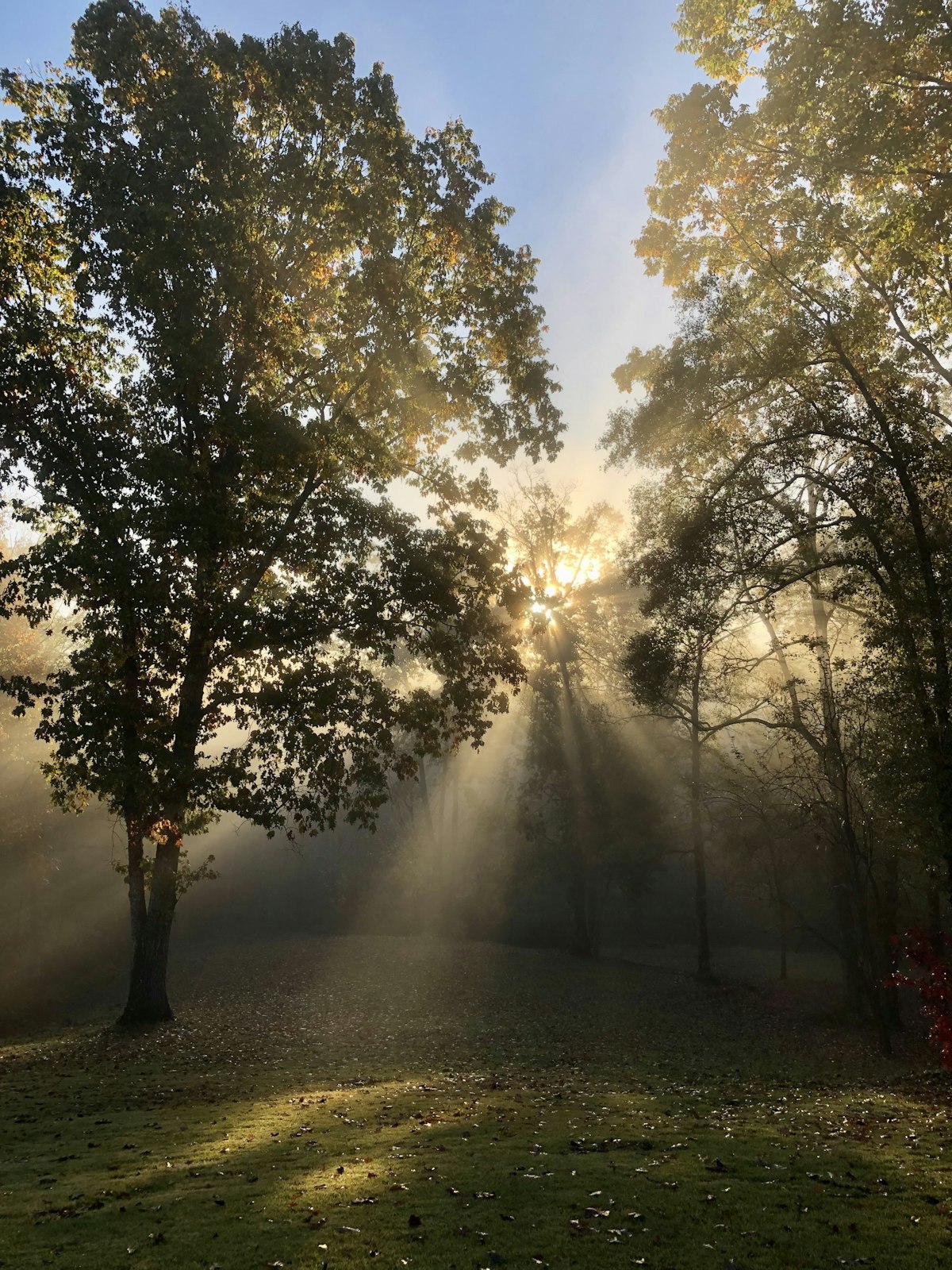
The numbers deflate the worry, and they come from the chapter directly. Full daylight runs around ten thousand lux, and the grayest January sky over the ugliest parking lot still delivers ten to a hundred times more than your kitchen with every bulb burning. Your body clock evolved outdoors, and the morning signal it wants is exactly the one modern life starves. Against that backdrop, the fear of too much morning light is a fear of the only overdose nobody is at risk of.
The mechanism is directional, which is what makes the morning forgiving. “Morning light pulls the clock’s schedule earlier. Evening light pushes it later.” For most people who sleep badly, the clock is already running late, and the morning pull is the treatment. The same photons that would be medicine at 7 a.m. are the thief at 10 p.m., which means the dosing question, correctly asked, is never how much light but when.
My own version of the habit is the least impressive thing in the book and the one I credit most: coffee out the front door within ten minutes of waking, no phone, standing there like a middle-aged woman watching weather happen. Nobody has ever overdosed on that, and I have never heard of anyone who did.
Where the real overdose lives
The genuine too-much-light problem runs on a timer, and it starts in the evening. Bright light in the last few hours before bed holds down the melatonin rise and quietly shoves the body clock later, which is why the wind-down’s first move is dimming the house and why the phone in a dark bedroom is a bright rectangle the evening was never supposed to contain. The post on light exposure and melatonin covers that mechanism, and the 2022 international consensus the book cites puts the evening guidance under ten lux for the last three hours before sleep, a direction to aim at rather than a test to pass.
The mirror version of the dose question sits at the other end of the night. Bright light arriving well before your intended wake time genuinely does shift the clock earlier, and this is the legitimate case for blackout curtains: the summer sunrise at 5:15, the street lamp aimed at your pillow, the kitchen light your partner flips on at dawn. Too much morning light, in other words, is real, but the morning in question is the one you did not choose, and the fix is a darker bedroom rather than a dimmer walk.
The window-versus-outdoors gap, where most people quietly under-dose without knowing it, is in does light through a window help, and the office version is in why office lights don’t count.
The one real dosing case
Light boxes are the exception that proves the morning’s innocence, and they deserve the serious treatment. A box concentrates in an hour what the sky spreads across a morning, the outputs vary wildly between products, and the rules genuinely change for some eye conditions and some medications, including several that make bright light a bad idea. That combination is where dosing questions stop being theoretical, and it is exactly why the book hands the light box decision to a doctor rather than to a shopping page.
For everyone else, the dose guideline runs one direction only, toward enough: ten to thirty minutes outside in the first hour after waking, thirty to forty on gray days, attached to the coffee or the dog or whatever already happens at the same time every morning. The gray-day arithmetic is in how long to sit in morning sun, and the honest expectation-setting, that the clock moves on weeks rather than nights, is in morning light won’t knock you out at bedtime, not on night one territory, which the guide covers properly.
Frequently asked questions
Can you get too much morning light?
Outdoors, practically no. Your body clock wants a strong morning signal, and even the grayest sky delivers a fraction of a clear one, so the real risk of too much light sits in the evening, the opposite end of the day.
Is there a maximum dose of morning light for sleep?
No ceiling has ever been the morning’s problem. The guideline runs toward enough: ten to thirty minutes outside in the first hour after waking, stretched to thirty or forty minutes on gray days, attached to a habit that already happens at the same time.
What about bright light too early, before I want to wake up?
That is the legitimate version of too much morning light. Bright light hitting your eyes well before your intended wake time shifts the clock earlier, which is why blackout curtains exist and why an early summer sunrise can creep your whole schedule forward.
Do light boxes count as too much morning light?
Light boxes are the one case where dosing questions are genuinely real, because the output is concentrated and some eye conditions and medications change the rules. Any light box decision belongs with a doctor who knows your eyes and your prescriptions.
Why does evening light matter more than morning light for sleep?
Because morning light pulls the clock earlier, which is what most poor sleepers need, while evening light pushes it later and holds down the melatonin rise at exactly the wrong hour. The same light is medicine at one end and the thief at the other.
The practical summary survives every experiment I have run on it: you are far more likely to be light-starved than light-poisoned, and the fix is ten minutes with the coffee, tomorrow morning, gray sky included. The full daylight protocol, gray-day and winter editions included, is in Sleep, Finally.
This guide is educational, not medical advice. If sleep problems persist most nights for three months or more, a doctor is the right door.