
Coffee Naps: Why Caffeine Plus a Short Nap Works
Coffee naps sound like a gimmick, but caffeine plus a 20-minute nap stacks two kinds of alertness. How the timing works, who they help, and when they backfire.
Coffee naps sound like a gimmick, but caffeine plus a 20-minute nap stacks two kinds of alertness. How the timing works, who they help, and when they backfire.

Caffeine and shift work: how to time coffee when your nights flip, where the cutoff lands on a night shift, and why the can doesn't get an exemption.
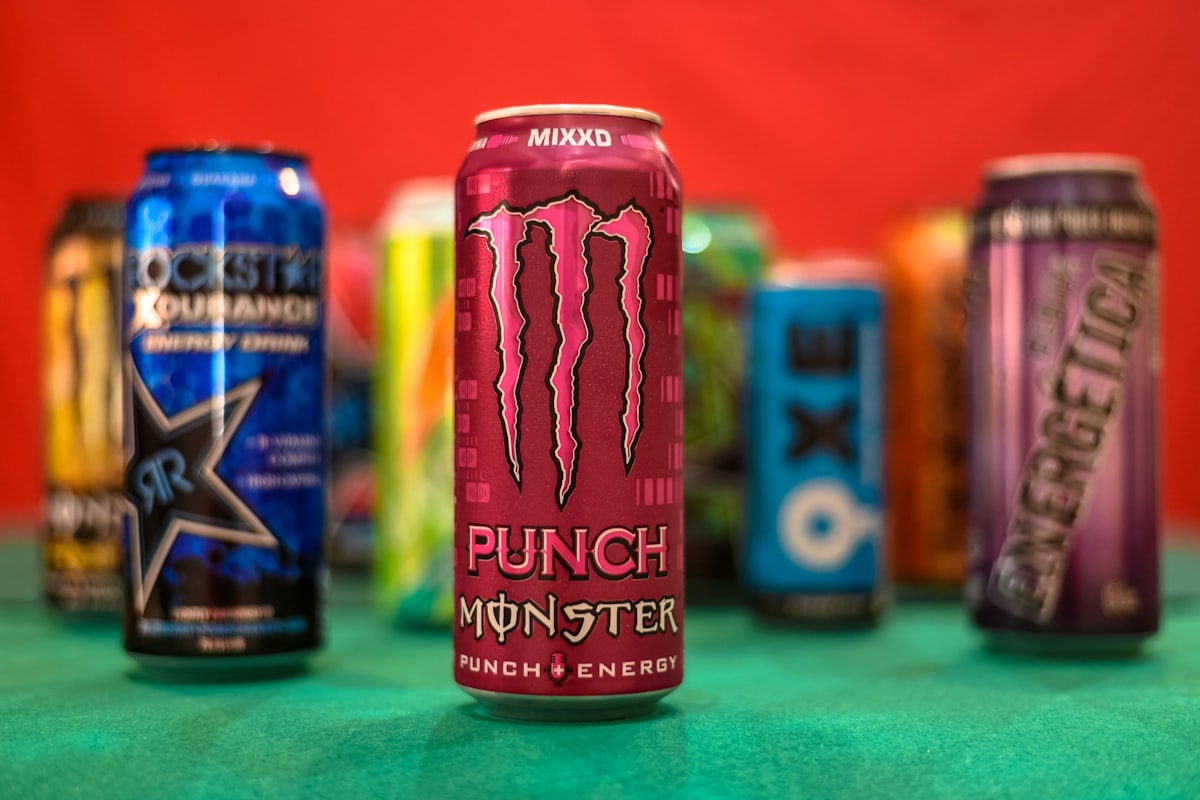
Energy drinks vs coffee for sleep: a can carries 50 to 300 milligrams and no exemption, so the real difference is serving size and how late the last sip lands.
Pre-workout sleep problems usually trace back to the caffeine in the tub, not the 5 p.m. session itself. Here's the half-life math, and how to keep the workout.

Coffee after dinner delays sleep by hours, not minutes, because of caffeine's half-life. The math on that 8 p.m. cup and what it's doing at midnight.
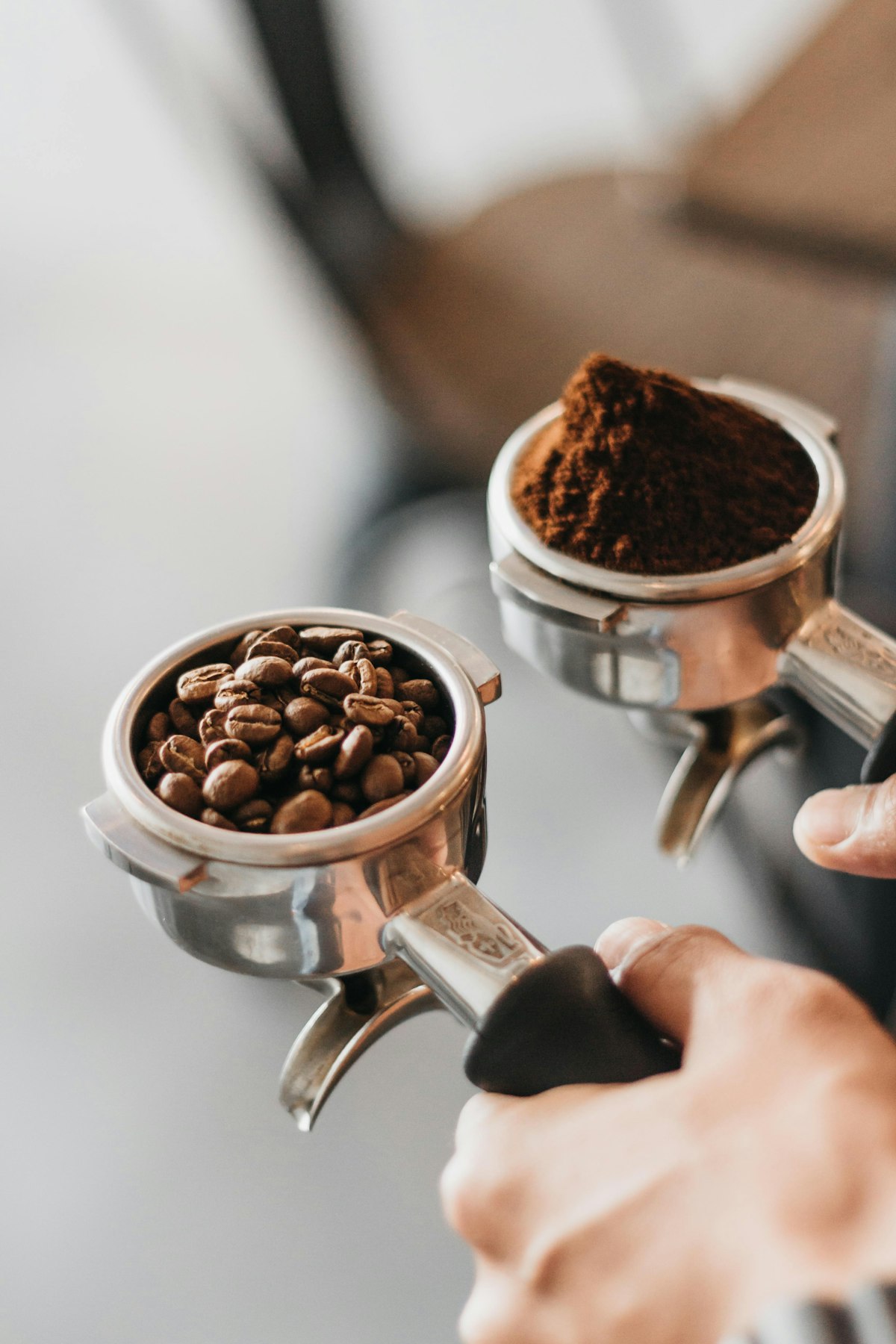
How to cut coffee without headaches using a 7-day taper ladder that shrinks the dose gradually, so withdrawal fades while your sleep starts to pay you back.

Caffeine in soda counts against your cutoff the same as coffee. Cola carries 30 to 40 milligrams a glass, and dinner is later than you think.
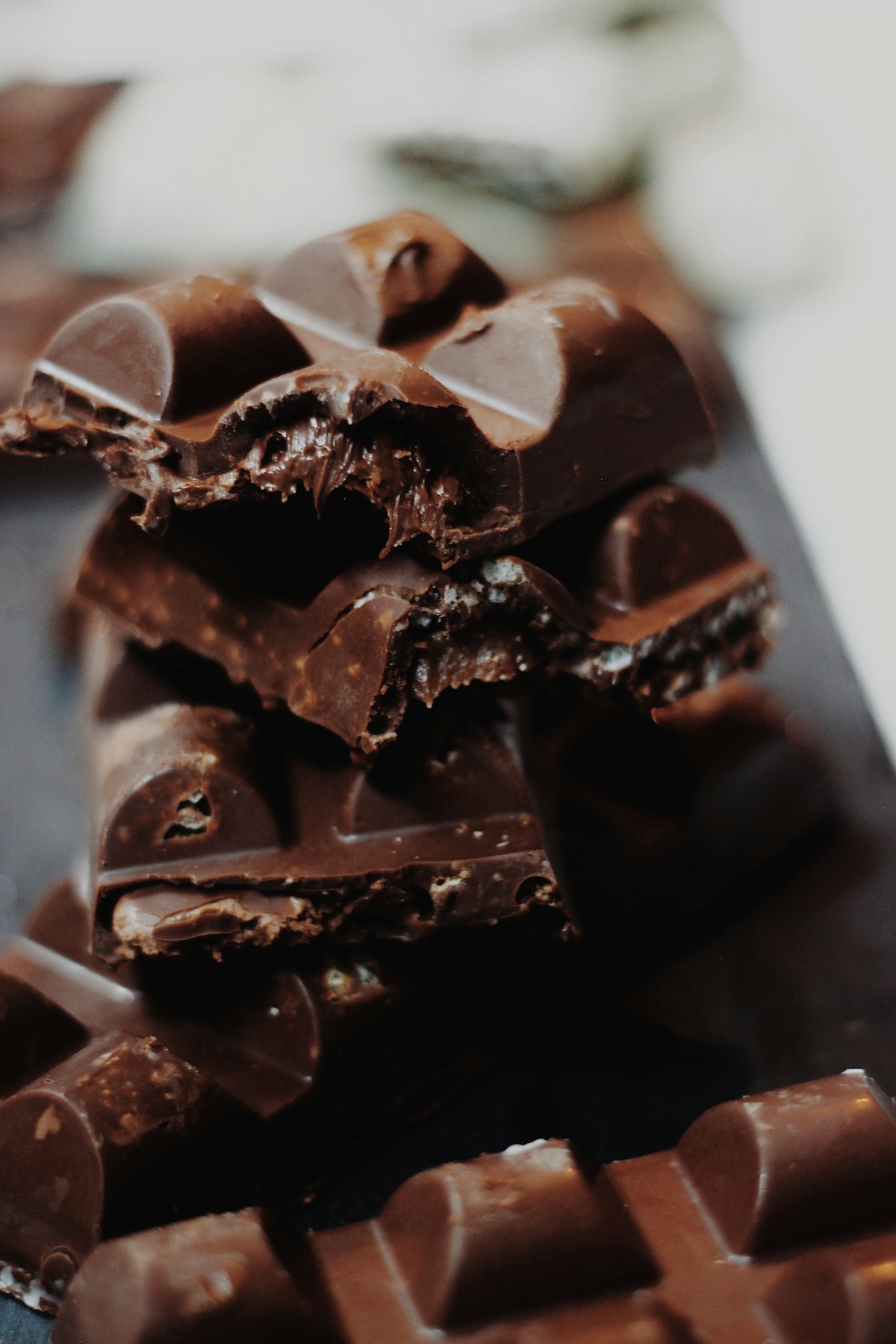
Chocolate before bed carries 25 to 70 mg of caffeine per dark bar, plus a reflux risk most people never connect, so the treat deserves the same clock as coffee.

Green tea vs black tea for sleep: both carry caffeine, green usually less, and the honest answer is about milligrams and timing, not the color of the leaf.

Decaf caffeine is real: two to fifteen milligrams a cup. Here's what that means for your evening cutoff, your ritual, and your sleep.