Caffeine & Sleep
Chocolate Before Bed: Harmless Treat or Sleep Thief
By Nora Vale · March 26, 2025 · 7 min read
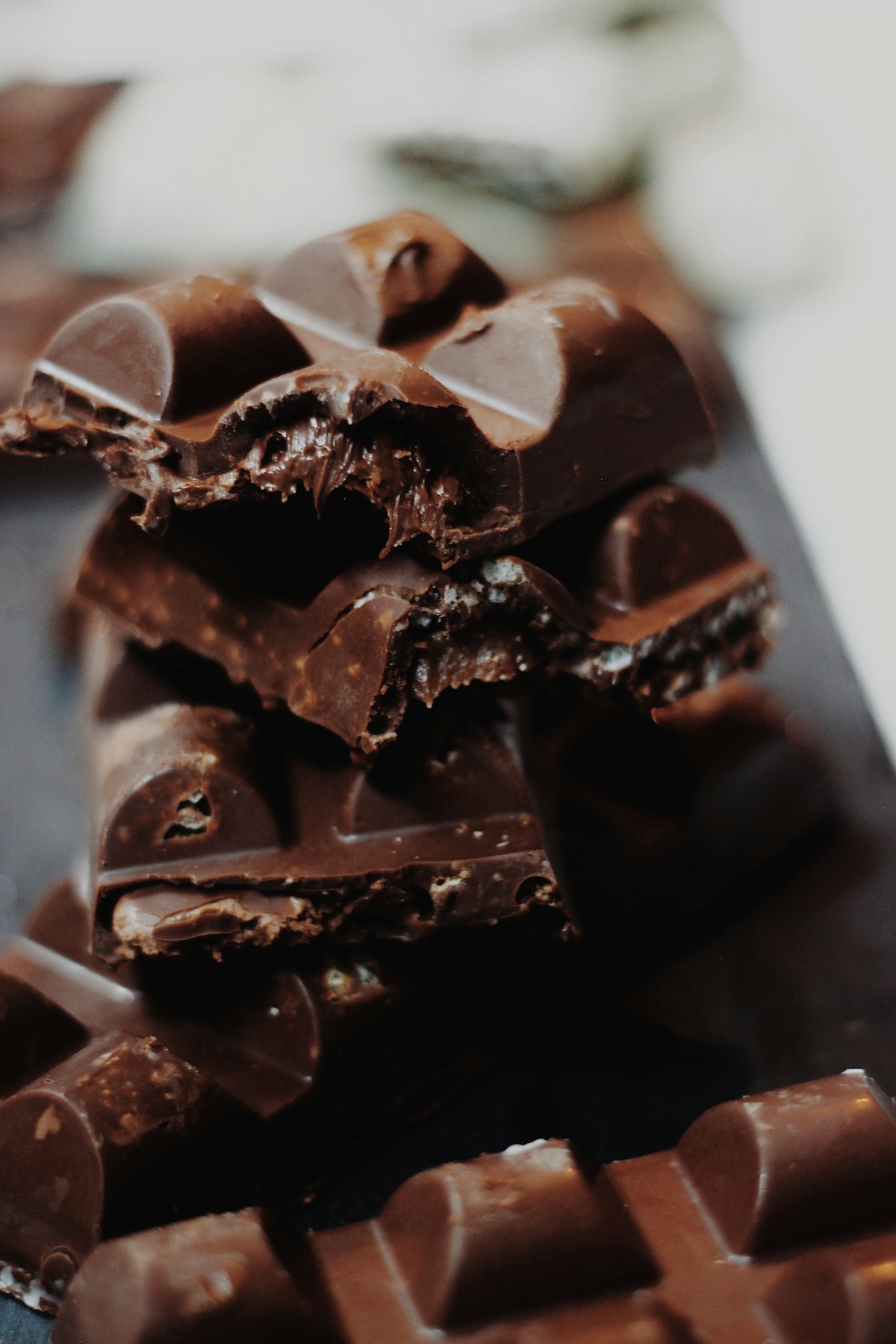
It’s 9:40 on a Tuesday, the dishes are done, and you eat three squares of dark chocolate during the last episode, the way I did for years. Notice the word that makes it feel safe: it isn’t coffee, so it doesn’t count. It’s dessert, so it surely can’t interfere. That’s the whole trick of chocolate before bed, and I fell for it a decade longer than I want to admit. The full inventory of evening caffeine lives in the caffeine and sleep guide, and chocolate is the entry people skip, because it comes with a dessert fork.
Key takeaways
- Dark chocolate carries 25 to 70 milligrams of caffeine per bar, per FDA numbers; milk chocolate runs nearer 10.
- Caffeine lightens and fragments sleep even on nights you fall asleep without trouble, so the chocolate never looks guilty from inside the evening.
- Chocolate also relaxes the stomach valve that keeps acid down, which makes late chocolate a reflux risk on top of the caffeine.
- The cutoff counts milligrams, not sources, so chocolate rides the same clock as your coffee.
- A quiet evening drift of tea, chocolate, and decaf can total 50 to 100 milligrams after your line.
What chocolate before bed actually delivers
Start with the dose, because the dose is the part nobody counts. The FDA’s published numbers put a bar of dark chocolate somewhere between 25 and 70 milligrams of caffeine, milk chocolate nearer 10, a cup of brewed tea at 40 to 120, and a 12-ounce cola at 30 to 40. None of those are zero, and the chocolate is the one that arrives wearing a dessert costume. The book I keep coming back to says it about coffee, and it holds for the bar on the counter: “the thing it sells you isn’t energy. It’s a loan against tonight.”
The loan structure matters more than the amount. You can eat chocolate at nine, fall asleep at eleven without a hitch, and still pay, because caffeine’s half-life means a chunk of the dose is still circulating in the shallow, REM-heavy second half of the night. That’s the part nobody connects. “Falling asleep fast isn’t the test. Staying down in deep, unbroken sleep is the test,” and it’s exactly the test the 9 p.m. square keeps failing while getting thanked for being delicious.
There’s a compounding problem too, and I’ve caught myself in it mid-week: tea at four because coffee feels too heavy, chocolate around nine because it feels almost virtuous, decaf after dinner because it’s basically nothing. Add the milligrams and a night you’d call caffeine-free lands somewhere between 50 and 100. “The cutoff doesn’t count sources. It counts milligrams.” The wrapper doesn’t get an exemption.
The second door: reflux nobody connects to the chocolate
Caffeine is only half of chocolate’s résumé. The usual dietary suspects for nighttime reflux are spicy food, acidic things like tomato sauce and citrus, and fried or fatty meals, plus two genuinely unfair entries: chocolate and mint, both of which relax the valve at the top of the stomach. When that valve loosens and you lie down, acid wanders uphill, and the burn you slept through still opened your eyes.
Reflux so rarely gets identified at the scene because it doesn’t always feel like burning. Sometimes it’s a cough, a sour taste, a scratchy throat you blame on dry air, or a sudden full waking with your heart thudding for no reason you can name. The book’s line about a late dinner deserves to be taped somewhere: “You blamed the 3 a.m. instead. The stomach set the alarm.” If your night always breaks after the evening that included dessert, the dessert is a legitimate suspect, not a treat with diplomatic immunity.
So a chocolate dessert after a big late dinner stacks both risks on one plate: a shallow-sleep drug on top of a valve-relaxing reflux trigger, eaten at the exact hour when lying down is next on the schedule. Move the same dessert to right after lunch and both doors close at once. The chocolate didn’t change. The clock did.
How to test whether chocolate is your thief
The experiment is boring, which is why it works. Pick your cutoff, eight hours before bed, ten if your sleep is already thin, and move chocolate behind that line with everything else. Hold the rest of the evening steady, because a test that changes three variables proves nothing. Keep a log for two weeks, and write down the time of the last chocolate and the shape of the night, because memory will fudge the details in chocolate’s favor.
What you’re watching for is the second half of the night, not the first. If the wake-ups at two and three thin out during the test weeks, you have your answer. If nothing changes, close the notebook and spend your effort somewhere more promising, like alcohol, light, or the room. A null result is still a result, and it means you got to keep the chocolate, which is the best possible outcome of any experiment.
One practical note if you’re cutting back rather than cutting out: milk chocolate or a smaller portion earlier in the evening is a legitimate stair-step, the same way moving a latte to lunch is. The goal is a decision made once, at the counter of your own data, not a nightly negotiation with a wrapper.
The honest limits
Portion sizes blur every number here. The FDA figures describe a bar, not your three squares, so your actual evening dose might be a fifth of the range or most of it, and labels vary between brands enough that two dark bars can differ by triple the milligrams. Caffeine metabolism is personal too, which is why some people eat chocolate at midnight and sleep like a stone while others pay for one square. And reflux is its own lottery: the valve effect is real, but the threshold differs from stomach to stomach. The pattern in your own two-week log is the signal. The table is only the starting guess.
If your sleep stays broken no matter what you move around, that’s not a chocolate problem, and no food audit will fix it. Chronic trouble belongs with a doctor, not a wrapper.
Frequently asked questions
Does chocolate before bed really contain caffeine?
Yes. Per the FDA’s published numbers, dark chocolate runs 25 to 70 milligrams per bar and milk chocolate sits nearer 10. A few squares of dark chocolate at nine in the evening is a real dose, roughly a weak cup of tea arriving well after your cutoff.
Will chocolate before bed keep me awake?
It can, through two separate doors. The caffeine can lighten and fragment sleep even when it doesn’t delay it, and chocolate also relaxes the valve at the top of the stomach, which invites acid uphill while you lie down. Either one can cost you the middle of the night.
How late is too late for chocolate?
Chocolate belongs on the same clock as coffee. If your caffeine cutoff is eight hours before bed, the bar goes behind that line with everything else. Timing matters more than the square count, because the milligrams don’t care whether they arrived in a mug or a wrapper.
Is dark chocolate worse than milk chocolate before bed?
For caffeine, meaningfully so. Dark runs 25 to 70 milligrams per bar while milk sits nearer 10, so the virtuous choice at the counter is the louder one at midnight. For reflux, both make the watch list, since the valve-relaxing effect has nothing to do with caffeine.
What if I eat chocolate before bed and sleep fine?
Then the verdict reads: not your thief. Some people clear caffeine quickly and tolerate reflux triggers without paying for them. Two weeks of moving chocolate before your cutoff while holding everything else steady is the honest test, and a null result is still a result.
This article is educational, not medical advice. It doesn’t diagnose or treat anything, and a clinician should have the last word on persistent sleep problems.
If you want the whole system this piece came from, including the two-week cutoff experiment and the logs that make it honest, it’s all in the book.