Hidden Caffeine: 9 Sources You Forgot to Count
Hidden caffeine sources like tea, dark chocolate, decaf, cola, and pain relievers add up after your cutoff. Here are 9 places it hides and what the milligrams cost.
Hidden caffeine sources like tea, dark chocolate, decaf, cola, and pain relievers add up after your cutoff. Here are 9 places it hides and what the milligrams cost.
The best time to stop eating before bed is about three hours before lights out. Here's why the clock matters more than the menu, and a three-night test.
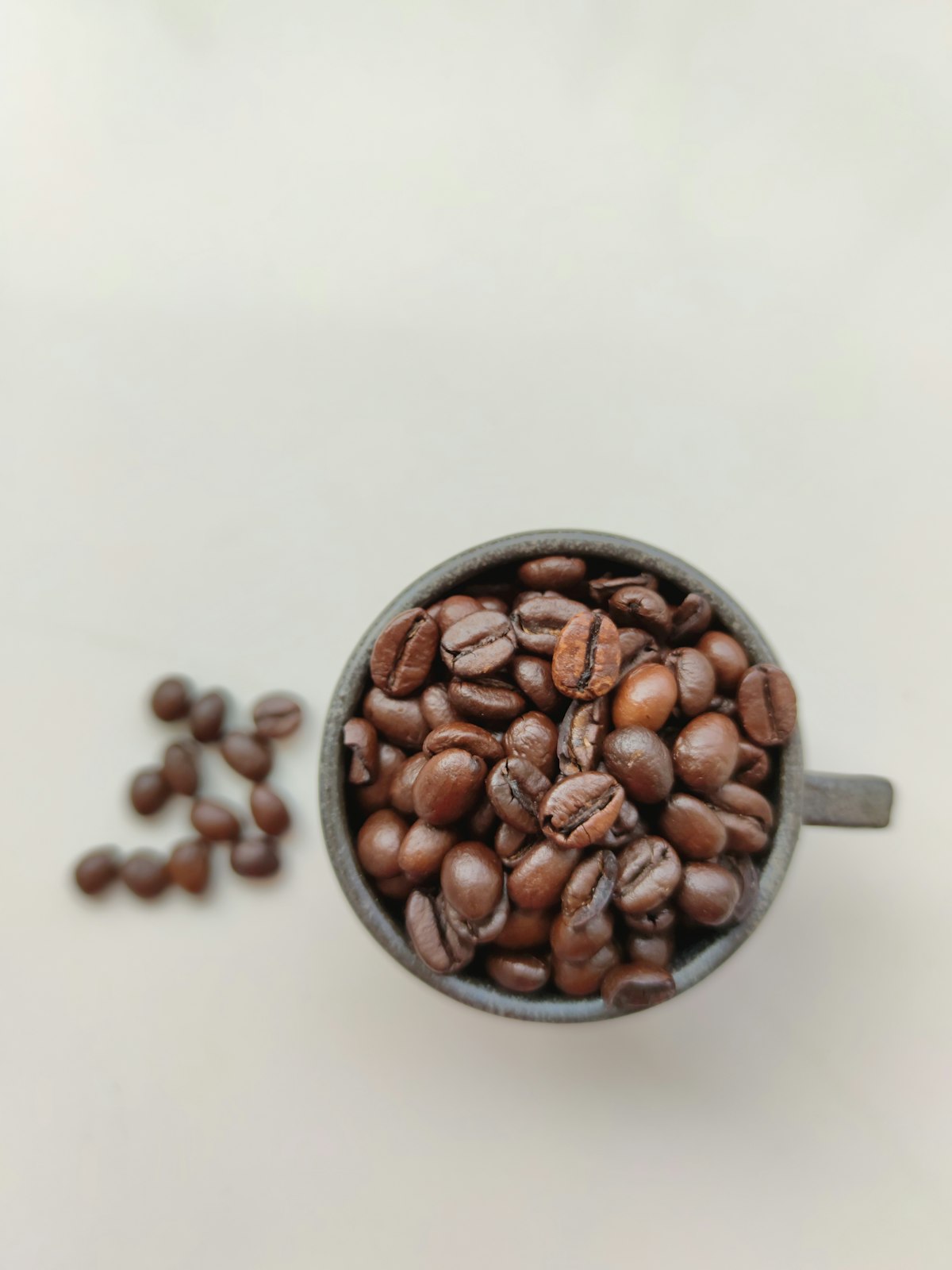
Can decaf keep you awake? One cup carries 2 to 15 milligrams of caffeine, so the honest answer is almost never, unless the evening cups stack up.
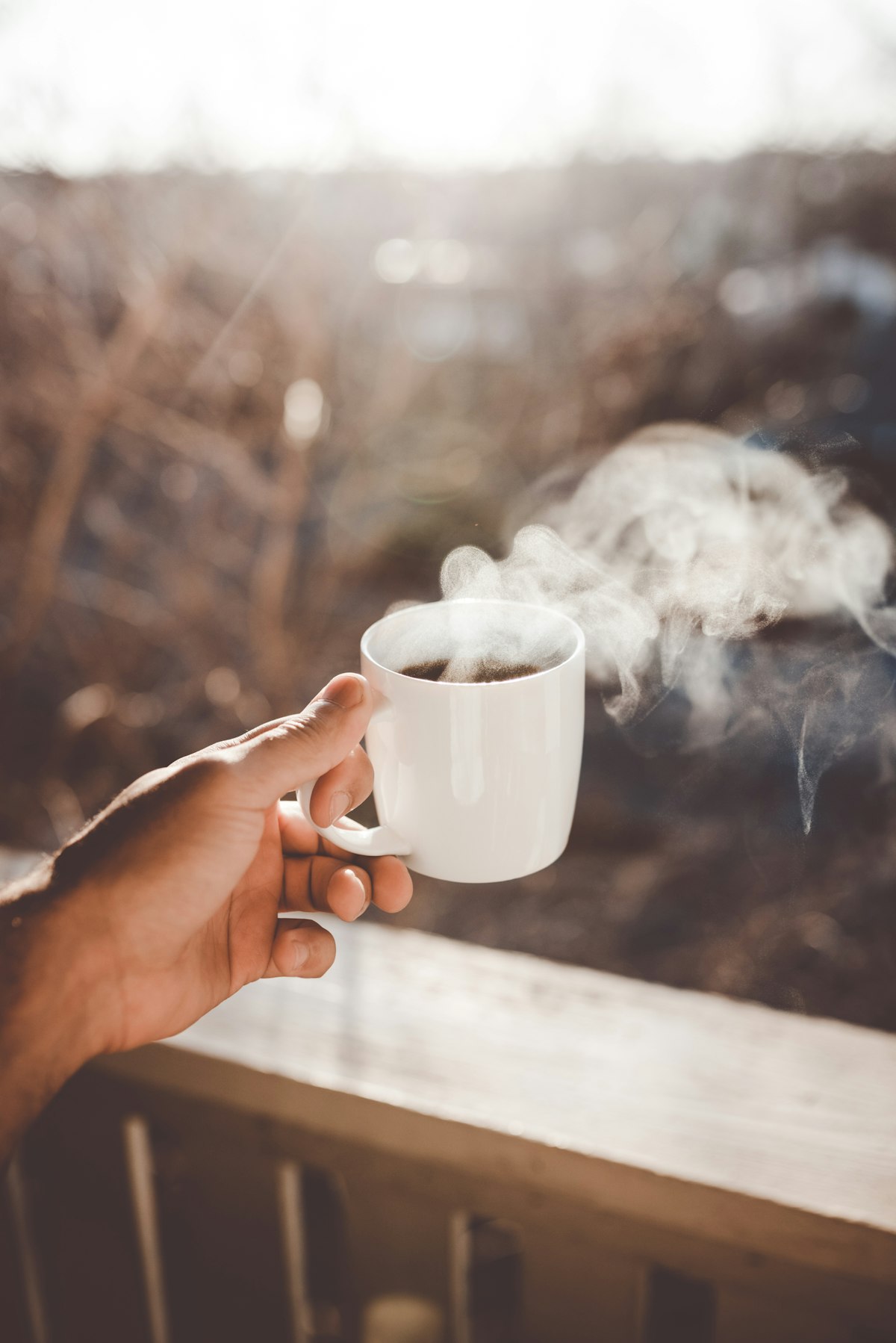
Does afternoon coffee affect sleep even when you fall asleep fine? Yes. The half-life math shows how a 3 p.m. cup lightens and fragments the night ahead.
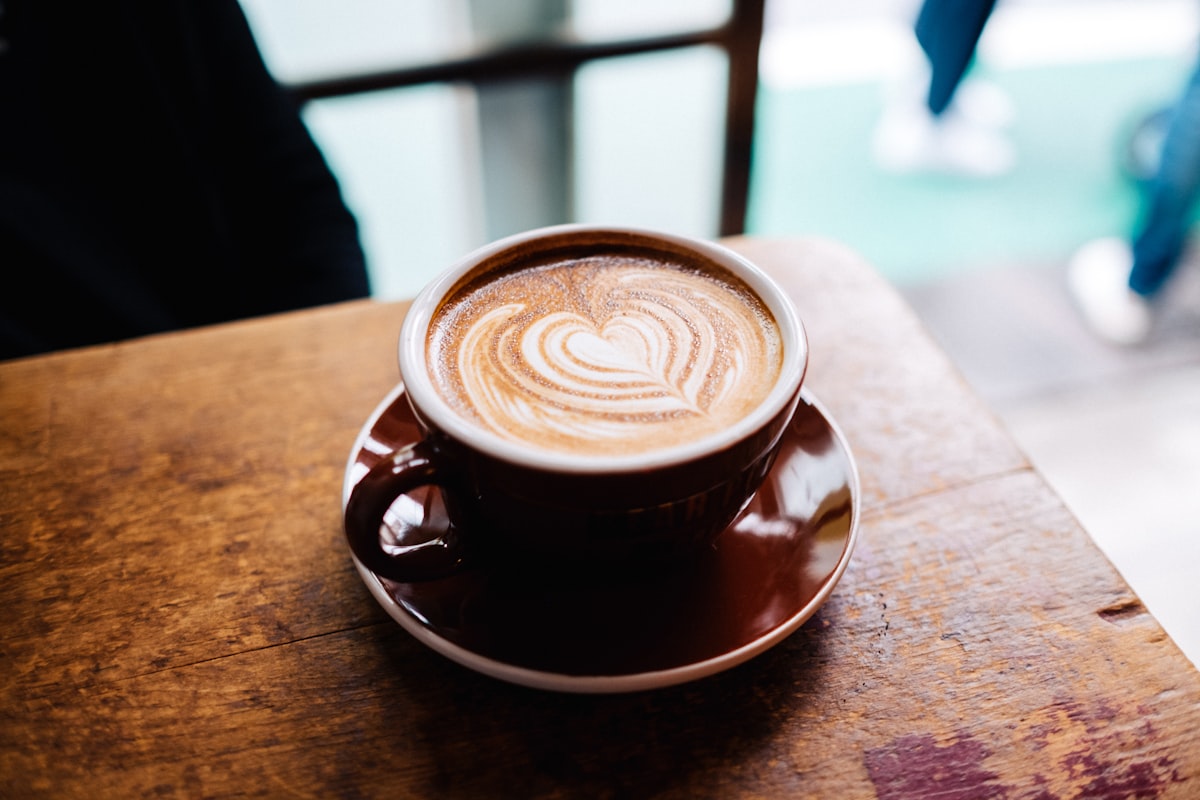
Caffeine half-life explained without hand-waving: why 5 to 6 hours means your 4 p.m. coffee is still a quarter full at 2 a.m., and how to use that math.
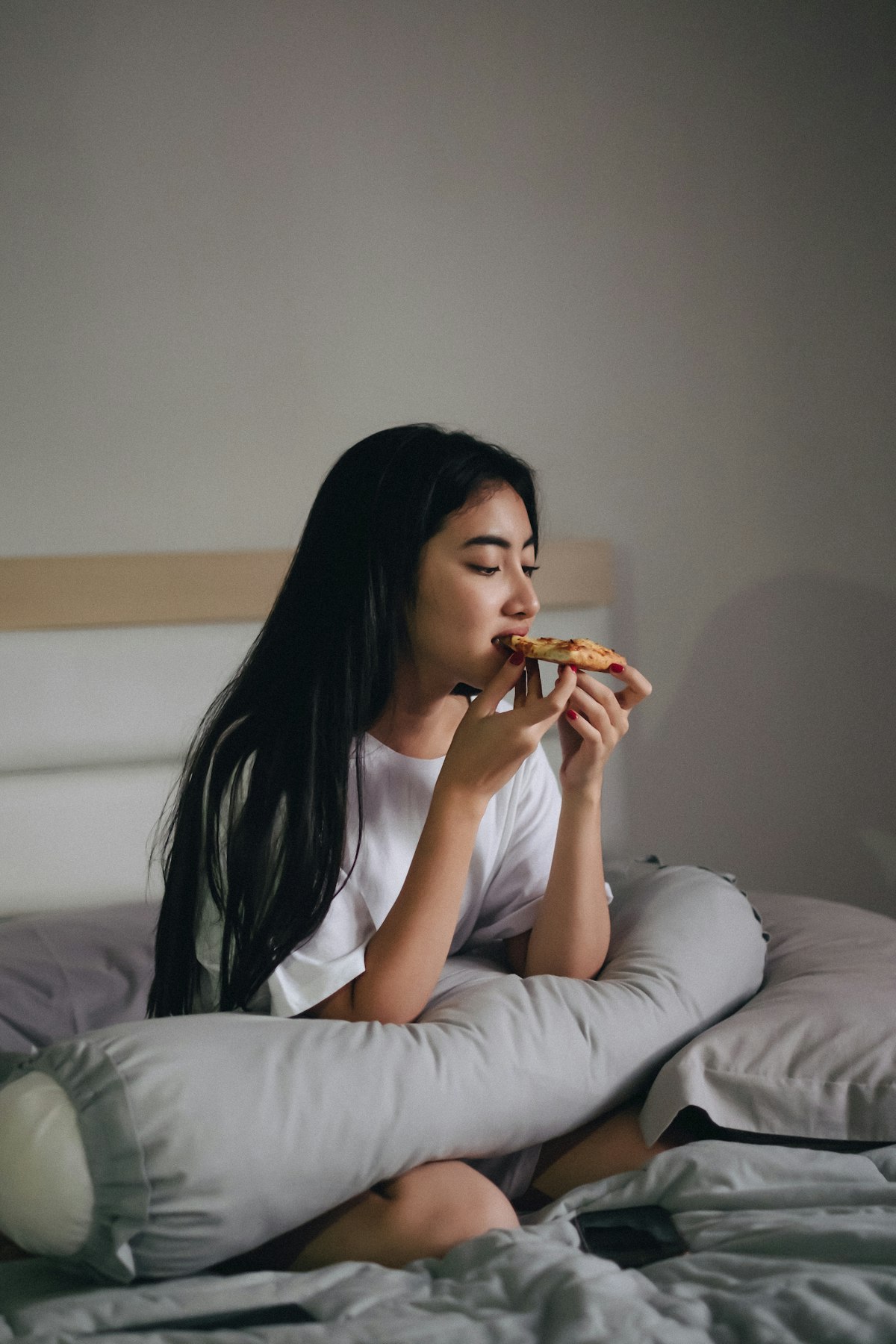
Eating late at night and sleep are connected mostly through reflux, not calories. Why a 10:30 dinner wakes you at 1:30, and the three-night test that proves it.
Hidden sources of caffeine sink more cutoff experiments than coffee ever does. Tea, chocolate, decaf, and pain relievers, with the milligram math that catches them.
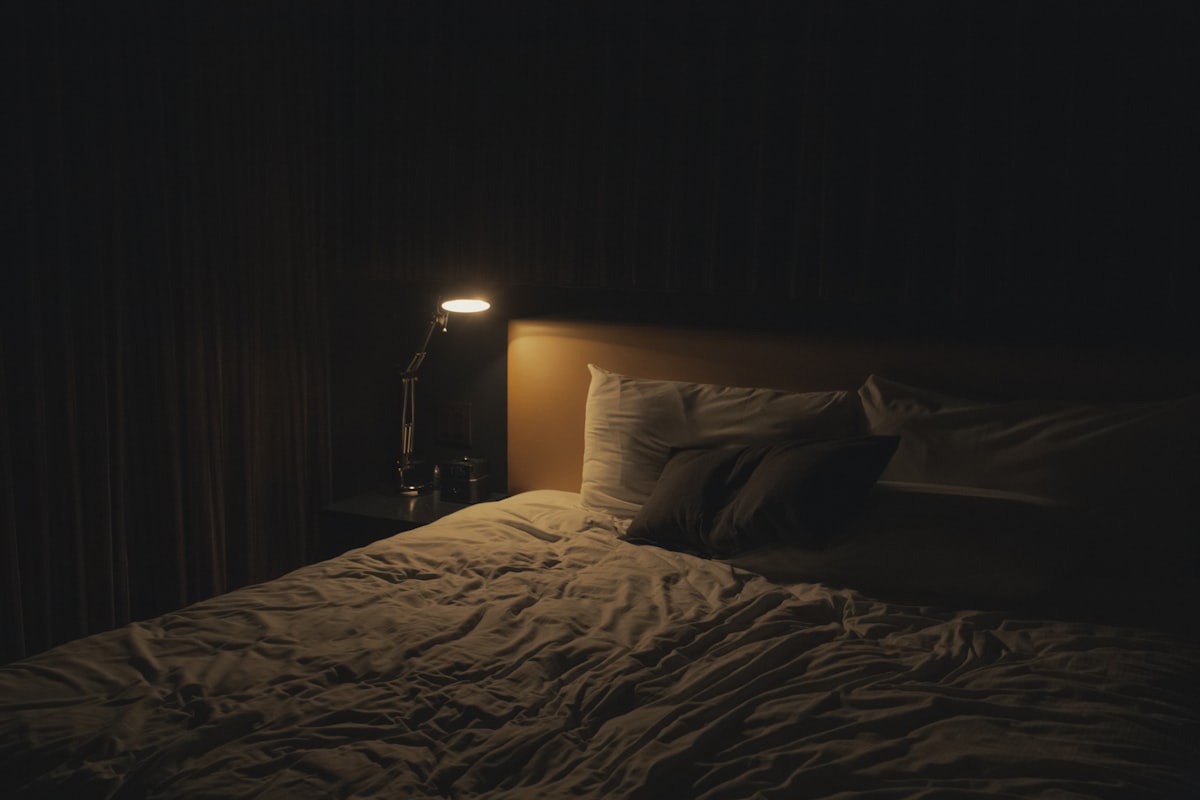
Your caffeine cutoff time is bedtime minus eight hours. The math behind that number explains why a 4 p.m. coffee is still on duty at 2 a.m., and how to test it.
Your personal coffee cutoff is a bedtime math problem: count back eight hours from lights out, run a two-week experiment, and let your own log find the line.
Signs of a slow caffeine metabolizer: a noon coffee humming at 10 p.m., jitters from one cup, lighter sleep after late doses. A two-week experiment reads it free.