Morning Light & Sleep
Window Light vs Outdoor Light: The Lux Gap Explained
By Nora Vale · January 22, 2026 · 7 min read
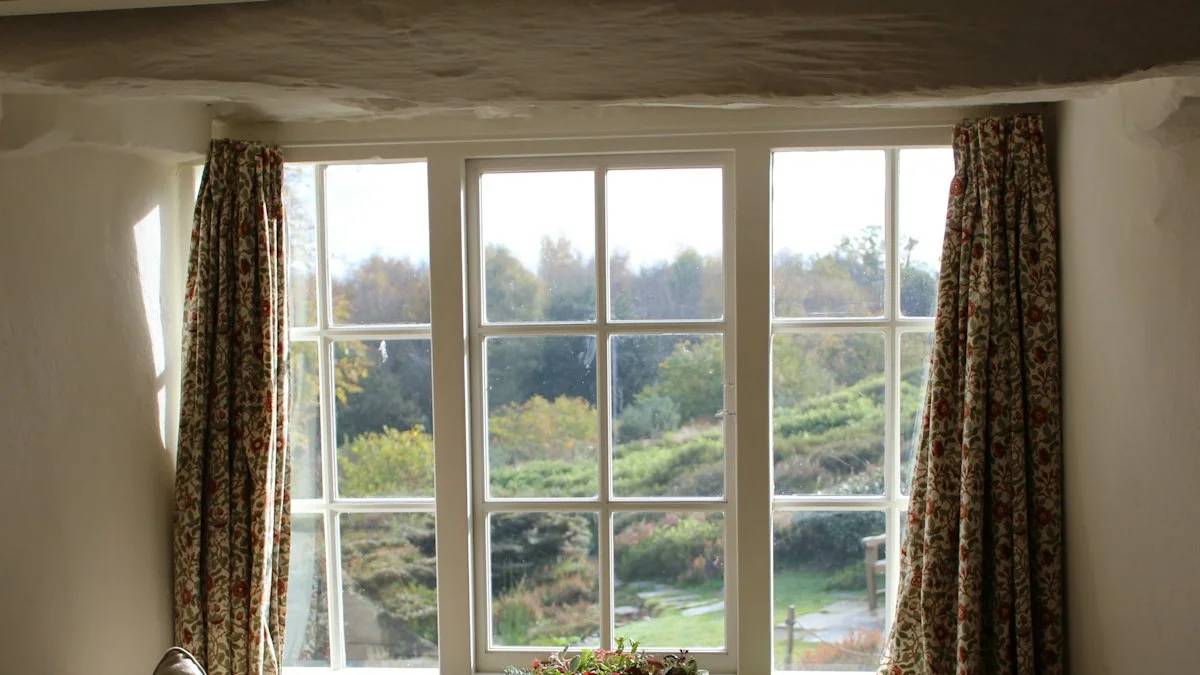
The window seat felt like a compromise I was being very reasonable about. Big glass, morning coffee, daylight on the page, and still I spent that winter lying awake at eleven. The problem wasn’t effort or discipline. It was the lux gap, the difference between light that looks bright and light that talks to your body clock, and once you see the numbers, the whole category of “I got some daylight through the window” quietly collapses. This post is the numbers, and the full system is in my guide to morning light and sleep.
First, why the clock cares at all. It needs resetting every morning, and light through your eyes is the strongest signal it accepts, which researchers call time-givers, possibly the most literal name in the field. “Morning light pulls the clock’s schedule earlier. Evening light pushes it later.” Nearly everything practical about sleep timing falls out of that one asymmetry.
Key takeaways
- The clock reads outdoor-scale light: 100-500 lux indoors versus 1,000+ on a gray day, 50,000+ in sun.
- Glass, distance, and window orientation cut the dose before it reaches your eyes.
- Office brightness is pupil adaptation, not a real dose: your eyes say plenty, the clock says no sunrise.
- The fix is 10-30 minutes outside within an hour of waking, gray days included, coffee in hand.
- Noon light is a fine walk but a weaker signal; earliness is part of the dose.
The numbers that end the argument
Light is measured in lux, and the indoor-outdoor numbers are lopsided enough to be funny. “A comfortably lit office or living room runs about 100 to 500 lux. An overcast day outside starts around 1,000 and can climb past 10,000. Full sun runs 50,000 to 100,000 lux and more. Sit with those numbers for a second.” The conclusion I want printed on every windowsill: “The grayest January sky over the ugliest parking lot is still ten to a hundred times brighter than your kitchen with every bulb burning.”
A window complicates the math further, in the wrong direction. Glass filters part of the spectrum, the dose falls with distance from the glass, and most window-sitting happens at an angle that never faces the sky. Add those up and even a good window seat delivers a small fraction of stepping outside, on the same cloud cover, in the same slippers. Sitting by a window beats a dark room. It doesn’t beat the porch.
The reason your eyes disagree with all of this is adaptation, and it deserves its own paragraph. “Office light deserves its own disappointment. Four hundred lux of fluorescent ceiling feels bright while you’re under it, because your pupils are small and your standards adapt, but to the machinery behind your eyes it’s a nightlight with delusions of noon.” That’s the trick the indoor century played on us: “Your eyes say this is plenty. Your clock says the sun never came up.” The same logic is why office workers get no credit for bright buildings, which I’ve covered in why office lights don’t count.
What the dose actually is
The recipe is deliberately banal. “Get outside within an hour of waking and stay out for 10 to 30 minutes. Coffee on the porch counts. Tea on the front steps counts. Standing in the yard in yesterday’s sweatshirt while a crow judges you counts.” No exercise required, no sunshine required, no productive thought required.
The light has to land in your eyes, which is why the system runs on ordinary vision. “You’re not topping up vitamin D out there. You’re setting a watch.” No sunglasses, ordinary clothes, and if the sun is low, let it be off to the side rather than staring anywhere near it.
Two multipliers improve it without costing money. Consistency, because light at roughly the same time each morning gives the clock a pattern it can rely on, which is why the habit bolts onto a fixed wake time. And earliness, because light in the first waking hour does the heavy lifting for that evening’s melatonin rise. “The same ten minutes at noon is a lovely walk. It just isn’t the same signal.” If your mornings genuinely can’t hold an outdoor block, the repair version and its tradeoffs are in does light through a window help, and the lunchtime workaround is in morning walk benefits for sleep.
Grace, the terrier, and the accidental experiment
Grace adopted a nervous terrier that demanded the yard at 7:15 every morning, gray days included. She changed nothing else on purpose: not bedtime, not coffee, no screen filters, none of it. Two to three weeks later she was falling asleep around 10:40, which she hadn’t managed in years.
Then came a rainy February week with the walks shortened, and her restless nights came back. Without intending to, she’d run the experiment twice, once in each direction, and gotten the same answer both times. The variable was never her discipline or her bedroom. It was ten minutes of outdoor light at the same hour, which is exactly the kind of boring conclusion this book keeps arriving at.
My own version is less charming and equally effective: out the door with coffee within the first ten minutes, no phone, standing there while the neighborhood decides whether it’s raining. On gray days I walk to the corner and back. It’s the least impressive habit I own, and by my own bookkeeping it moved the needle more than anything I’ve bought.
What the lux gap framework can’t do
The honest limits. Gray-day doses are real but smaller, so winter needs the longer end of the range, thirty to forty minutes or two shorter sessions, and the clock still shifts on a scale of weeks, not nights. If you wake before sunrise, outdoor light before dawn is weaker than the same walk at sunrise, and the interim fix is the brightest indoor light you have until the sky shows up. Light boxes exist for exactly this gap, and eye conditions are a real reason to ask a doctor before using one, which I’m not qualified to advise on.
And the dose doesn’t override the evening: ten thousand lux at 8 a.m. can be partially undone by a bright kitchen at 10 p.m., because the same signal works in both directions. If the evening side of the equation is your weak flank, how long to sit in morning sun covers the morning numbers in detail, and the dimming half lives in my guide to the wind-down routine.
One sentence to carry out the door with the coffee. The window was never the enemy, it was just never the sky. Gray counts, porch counts, ten minutes counts, and the clock reads the dose, not the intention.
Frequently asked questions
Does sitting by a window give you enough light for your body clock?
Usually not. Glass and distance cut the dose hard, and an indoor spot by a window typically delivers a fraction of what an overcast sky provides outside. It’s better than a dark room, but it isn’t the same signal.
How big is the lux gap between indoors and outdoors?
A lit indoor space runs about 100 to 500 lux. An overcast day starts around 1,000 and can pass 10,000, and full sun runs 50,000 to 100,000. Even the grayest winter sky beats your kitchen by ten to a hundred times.
Why doesn’t bright office light count as morning light?
Your pupils adapt and your standards adjust, so 400 lux of fluorescent feels bright while you’re under it. To the clock behind your eyes it reads as dim, because the machinery expects outdoor-scale numbers.
How long do I need to be outside to close the lux gap?
Ten to thirty minutes within an hour of waking, in ordinary clothes, without sunglasses. On gray days aim for the longer end or split it into two shorter sessions, and keep the timing consistent so the clock gets a pattern.
This article is educational, not medical advice. If you have an eye condition or are considering a light box, talk to a doctor first. The full guide is morning light and sleep, and the complete method is in the SleepFinally book.