Hormones & Sleep
Why Sleep Gets Harder the Week Before Your Period
By Nora Vale · November 3, 2025 · 6 min read
The fourth night before your period arrives, you’re tired in a way that feels ancient, feet warm, mind oddly calm, and sleep simply doesn’t come at 10:30 the way it did last week. Nothing broke. The thermostat moved, and nobody sent a memo, which is why the premenstrual week feels like a personal failure when it’s closer to weather. Here’s what your body is doing in that week and the plan that doesn’t ask you to try harder. The full hormonal picture is in my guide to hormones and sleep.
Key takeaways
- The luteal week raises core temperature by roughly half a degree to a degree, and sleep onset rides on a falling core temperature, so the week runs uphill.
- The progesterone drop just before the period is associated with lighter sleep, independent of any temperature effect.
- The working plan is lower-bar, not harder-effort: cooler room, earlier wind-down, boring book, reduced expectations.
- Track against the cycle for two full months before concluding anything, because one month is anecdote and two is a pattern.
- Severe premenstrual symptoms or sleep trouble that outlasts the cycle belong with a doctor, not a self-blame ledger.
What the luteal week actually does to sleep
The mechanism is unglamorous and measurable. After ovulation, progesterone rises, and along with it your baseline core body temperature lifts by roughly half a degree Fahrenheit, sometimes a full degree, and stays elevated until menstruation begins. Sleep onset is wired to a falling core temperature, the same signal a warm shower exploits, so a body running a deliberate half-degree warmer has to work harder to reach the descending slope that opens the door to sleep. You’re not less tired in that week. You’re insulated.
The second shift is chemical. Progesterone has mildly sleep-supporting properties while it’s elevated, then falls off a cliff in the days before bleeding starts, and that withdrawal is associated with lighter, more broken sleep for many women. This is why the pattern can feel contradictory: some women sleep worst in the high-progesterone days, some in the drop, some notice mainly the night before the period arrives. The cycle isn’t one event, it’s a sequence of different sleep conditions wearing the same calendar week.
None of this requires you to have done anything wrong, and none of it is visible from the inside. You can’t feel a thermostat change by half a degree. You can only feel the result, which is a body that’s tired and won’t tip over, and a mind that starts auditioning explanations around 11:40.
The plan: a modest week beats a fought week
The premenstrual week responds to planning, not to effort, and that distinction is the whole strategy. The effort version, going to bed earlier and lying there determined, adds arousal to an already uphill night and produces the familiar 1 a.m. despair. The planning version assumes the week will run warmer and lighter, and adjusts the evening accordingly, the way you’d adjust driving for rain without moralizing about it.
Concretely: drop the bedroom a degree or two below its usual setting for that week, since your body is running warmer and the gap between body and room is what drives the descent. Start wind-down earlier than usual, because the sleep window may genuinely arrive earlier or behave oddly. Choose the boring book over the inbox in the last hour. And set expectations on purpose: this is the week where sleep may be thinner no matter what you do, and a thinner week of sleep that you didn’t fight is worth more than a fought week that ended at the same place. The book’s line for exactly this trade is one to keep: “A modest week costs you nothing. A fought week costs you the week.”
The room-side details are the same cooling playbook used for night sweats, and they’re in night sweats cooling tips. If the racing mind shows up alongside the warmth, how to stop overthinking at night covers the mental half of the evening.
Tracking the pattern instead of remembering it
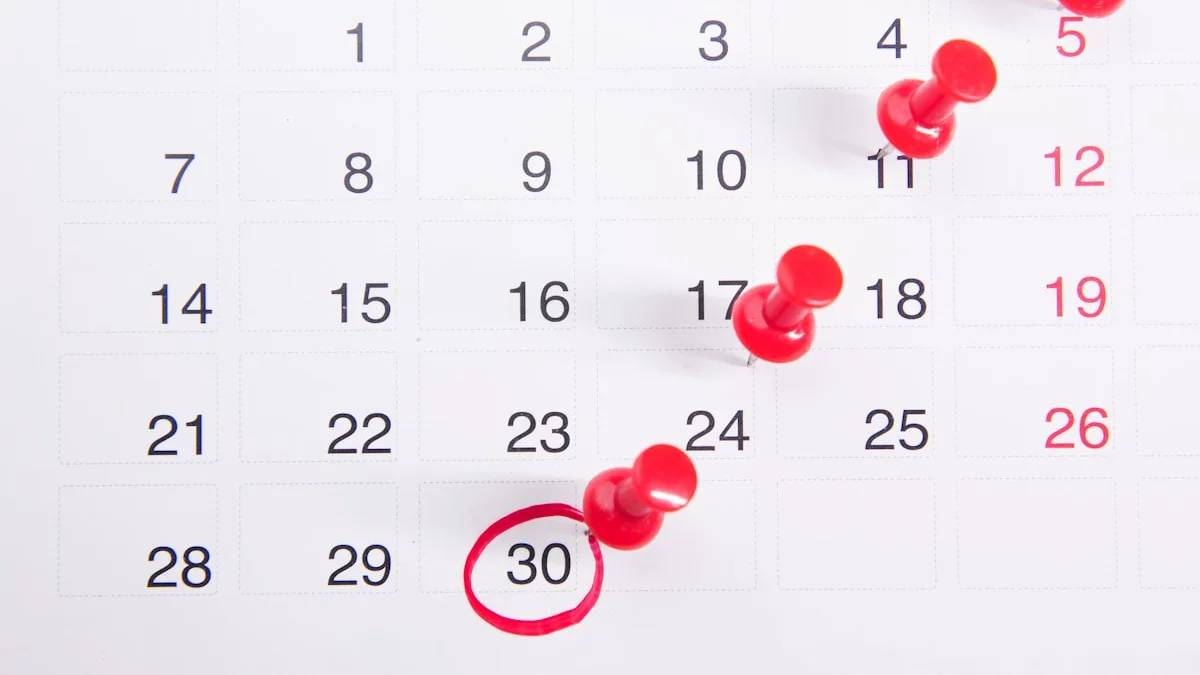
Memory will fail you here, reliably and politely, which is why the tracking matters. One month of “sleep felt weird before my period” is an anecdote; two full cycles marked on the same page as your sleep notes are a pattern, and patterns are what let you plan. The book’s instruction for exactly this kind of cycle-hunting is to fill the log for fourteen days rather than seven, because “Weekly patterns need two cycles before they’ll confess,” and the same rule applies to a monthly rhythm.
The log itself is one line a morning: rough bedtime, how long sleep took, wake-ups, and where you were in your cycle. After two months, most women can see the shape, the five days where sleep onset stretches, the night before the period that runs lightest, and that shape converts the premenstrual week from a mystery into an appointment. Appointments get planned for. Mysteries get blamed on your character.
Christine, from the same chapter, ran this experiment for hot flashes and found her trigger was Tuesday curry rather than the wine she’d suspected, and the lesson generalizes: the honest notebook keeps finding things that the confident memory got wrong. Her tool was a notebook, not a lab, and that boundary applies here too.
When it’s more than the luteal week
Fair limits, stated plainly. Cycle-linked sleep changes are common and usually manageable with the cooler-room, lower-bar approach, but a few versions of this story belong with a clinician: sleep disruption so severe it wrecks the days, premenstrual mood symptoms that interfere with work or relationships, or sleep that stays broken through the rest of the cycle rather than just the one week. None of these are your fault, and all of them respond better to a professional than to a harder mattress or a better attitude. “Notebooks record. Labs read. I can’t,” and the doctor visit exists precisely for the part the notebook can’t settle.
If the pattern has been running for months and the fundamentals, fixed wake time, morning light, caffeine cutoff, are already in place, progesterone and sleep covers the hormone’s role in more depth, and why is perimenopause ruining my sleep matters if you’re in your forties and the bad weeks have stopped lining up with the calendar.
The full chapter, including the trigger log template, is in Sleep, Finally. This week’s version: drop the thermostat a degree tonight, put the boring book on the nightstand, and start the two-cycle log tomorrow morning.
This guide is educational, not medical advice. Hormone symptoms, severe premenstrual symptoms, and anything that worries you deserve a clinician who listens, and “it’s just your cycle” from a doctor who won’t investigate is a reason to find a second doctor.
Frequently asked questions
Why is sleep harder the week before my period?
The luteal phase, the days between ovulation and your period, raises your core body temperature by roughly half a degree to a degree Fahrenheit and shifts your thermostat set point. Sleep onset is tied to a falling core temperature, so a body running warmer fights its own signal, and sleep arrives later and stays lighter.
Does progesterone affect sleep before a period?
Yes, in both directions. Progesterone rises after ovulation and has mildly sleep-promoting properties, then drops sharply just before your period, and that withdrawal is associated with lighter, more fragile sleep. Some women feel the drop as the harder stretch than the rise.
What actually helps sleep during the premenstrual week?
Lower the bar, not the effort. A cooler room than usual, an earlier wind-down, a boring book instead of the inbox, and deliberately lower expectations for the week. A modest week costs you nothing; a fought week costs you the week.
When is premenstrual sleep trouble worth mentioning to a doctor?
If the sleep disruption is severe, if mood symptoms in the premenstrual week interfere with work or relationships, or if sleep stays broken through the rest of the cycle too, that’s a clinical conversation. Cycle-linked sleep trouble is common and still deserves to be taken seriously.