Morning Light & Sleep
Why Morning Sunlight Resets Your Body Clock
By Nora Vale · January 10, 2026 · 7 min read
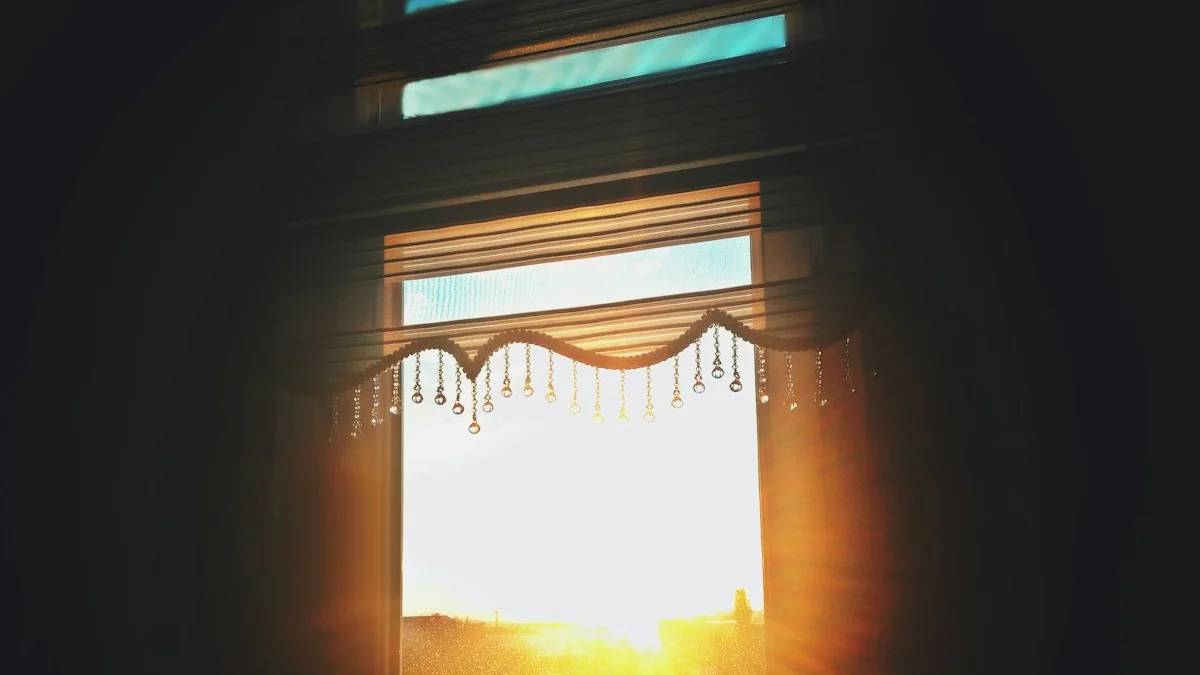
The bedroom was flawless and the nights were still broken, and it took me an embarrassing amount of time to understand why. The problem kept different hours than my evenings. It lived about ten steps past my front door and showed up every single morning whether I collected it or not, and understanding what morning sunlight actually does to your body clock is the piece that ties the whole system together. The full argument lives in my guide to morning light and sleep.
Start with the sentence the whole thing rests on: “Bedtime is where you collect on decisions made twelve hours earlier, and the biggest of those gets made right after you open your eyes.”
Key takeaways
- Your internal clock isn’t a 24-hour machine. It runs about 24 hours and 15 minutes, so it drifts later without a daily reset.
- Daylight through your eyes is the strongest reset the clock accepts, and timing decides the direction: morning pulls earlier, evening pushes later.
- Indoor light is a fraction of outdoor light even on a gray day, so a window seat and a windshield barely count.
- The dose is ten to thirty minutes outside within an hour of waking, and the payoff lands over weeks, not nights.
- Evening is the mirror: dim the house, because the same signal works in both directions.
The clock runs long, so it needs a winding
Deep in your brain, just above where your optic nerves cross, sits a cluster of about twenty thousand cells that keeps your body’s time. The technical name is the suprachiasmatic nucleus, which is why nearly everyone just says body clock. It sets the rhythm of your temperature, your appetite, your alertness, and the hour your eyes get heavy, and it does all of that on a schedule it rebuilds for itself every day.
Here’s the wrinkle that makes the reset necessary. “This clock isn’t a 24-hour machine. When volunteers spent weeks in time-isolation rooms with no windows and no clocks, their free-running body clocks averaged about 24 hours and 15 minutes, which is what the Harvard teams running those studies kept finding.” Left alone, a body clock slides later by about half an hour every two days, like a watch that runs slow and never gets wound.
That’s the whole reason morning sunlight matters. Not wellness, not ritual: your clock is literally drifting, every day, and the question is what pulls it back. “So the clock needs resetting, and it needs it every morning. Light is how. Of all the signals that reach the clock, daylight through your eyes is the strongest, and sleep researchers call signals of this kind time-givers, which may be the most literal thing they have ever named.”
The asymmetry that runs everything
One line of that research does more work than the rest combined: “Morning light pulls the clock’s schedule earlier. Evening light pushes it later. Nearly everything practical in this chapter falls out of that one asymmetry.”
The same signal, the same receptors, opposite effects depending on the hour. Morning daylight drags your whole schedule earlier, which is why it fixes late-onset sleep and second winds. Evening daylight, and lamps, and screens, push everything later, which is why a bright kitchen at ten cancels a dose of porch at seven. If your nights are broken in the too-wired-at-midnight direction, the morning side of the asymmetry is the lever.
The two systems behind your bedtime are worth keeping separate. Sleep pressure is a heaviness that builds the whole time you’re awake and drains while you sleep. The clock doesn’t build, it schedules. “When the clock and sleep pressure disagree, you feel it as that maddening exhausted-but-wired state, and in that argument the clock wins almost every time.” You can be bone tired at midnight if your clock still thinks it’s dinnertime, because its real morning meeting happened without you. The wired-but-tired version of that collision gets its own treatment in tired but wired meaning.
Why your indoor day reads as dim
The numbers are lopsided enough to be funny. “A comfortably lit office or living room runs about 100 to 500 lux. An overcast day outside starts around 1,000 and can climb past 10,000. Full sun runs 50,000 to 100,000 lux and more.” The grayest January sky over the ugliest parking lot is still ten to a hundred times brighter than your kitchen with every bulb burning.
Your brain evolved outdoors, where dawn meant something and dusk meant something. “It never got the memo about ceilings. Spend the daylight hours in 300 lux and your clock spends the whole day half-unsure whether morning ever arrived, and then the evening lamps come on, and from the clock’s point of view it’s all one long undifferentiated beige.” A clock that can’t tell noon from night stops being confident about bedtime too, which is why the symptoms never announce themselves as light problems. You experience them as waking unrested, sagging through the afternoon, and feeling weirdly alert at 10:30 p.m.
Windows don’t rescue the math, because glass takes a cut and brightness collapses with every step back from the pane. Indoor light beside a window is often less than one percent of what’s falling on the other side. “A window seat is the best seat in a dim house, so take it. Just know what it is.” The full arithmetic, with the exceptions, is in the lux gap, explained.
The ten-minute reset, and what it can’t do fast
The recipe is deliberately banal. “Get outside within an hour of waking and stay out for 10 to 30 minutes. Coffee on the porch counts. Tea on the front steps counts. Standing in the yard in yesterday’s sweatshirt while a crow judges you counts.” No exercise, no sunshine required, no productive thought. The light has to land in your eyes, so ordinary clothes and no sunglasses, and the sun stays off to the side.
Where you aim the light matters more than you’d think. “You’re not topping up vitamin D out there. You’re setting a watch.” Melatonin, the other half of the system, is worth naming correctly while we’re here: “Melatonin isn’t a sedative. It’s a darkness signal, and that difference matters more than it sounds.” The gland releases it when light stays low, the rise starting about two hours before your usual bedtime, which is exactly why bright light at that hour holds everything back. The pill version is a timing tool with real quirks, covered separately in melatonin for jet lag.
Now the honest part, because I’d rather you hear it from me than from a disappointing Thursday. “Morning light won’t knock you out at bedtime. Not on night one.” It shifts the timing of the clock, and timing shows up over days and weeks, not nights. Nothing dramatic happens the first Tuesday. Then some night in week two or three you’re asleep by 10:40 without noticing the night it changed, and you have to think backwards to find the cause. Give it a fair two weeks and judge the afternoons first: easier waking, a softer 3 p.m. dip, fewer pointless second winds.
Winter version, since someone’s already objecting: a gray December sky still beats your living room tenfold, so stretch toward thirty or forty minutes or split the dose, keep the wake time steady, and let pre-dawn twilight plus bright indoor lamps bridge you until the sun clears the rooftops. The detailed playbook is in winter mornings and sleep, and if the habit won’t stick, morning walk benefits for sleep bolts the dose onto a walk you can keep.
What the reset can’t fix
The limits, as always. Morning light fixes timing, not sleep debt, and no porch erases a week of five-hour nights. If your wake time swings four hours between weekday and weekend, the clock gets re-drifted every Sunday and the reset spends all week undoing it, which is the territory of social jet lag. Light also doesn’t override a real medical condition: apnea, restless legs, and thyroid trouble all break nights that no amount of daylight will repair, and the signs that belong in a doctor’s office are in signs of sleep apnea.
And the reset needs the evening half to hold. Ten thousand lux at 8 a.m. can be partially undone by a bright kitchen at 10 p.m., because the signal works both ways. If your evenings are the weak flank, my guide to the wind-down routine handles the dimming side.
One move to close, the same one the chapter ends on: put the mug by the door tonight. Tomorrow, take it outside within an hour of waking and stand there for ten minutes while the sky does the arguing for you. The dog just wanted out at 7:15. Tomorrow night’s sleep has already started with tomorrow morning’s light.
Frequently asked questions
Why does morning sunlight reset the body clock?
The internal clock runs long, about 24 hours and 15 minutes, so it drifts later without a daily anchor. Daylight through the eyes is the strongest reset signal it accepts, and morning light pulls the clock’s schedule earlier while evening light pushes it later.
How much morning sunlight do I need to reset my clock?
Ten to thirty minutes outside within an hour of waking, in ordinary clothes, without sunglasses. Gray days call for the longer end of the range, and the light has to reach your eyes unfiltered, so windows and windshields barely count.
What happens if I don’t get morning light?
The clock keeps drifting later and the whole indoor day reads as dim to it, so you get unrested mornings, sagging afternoons, and a second wind at 10:30 p.m. The clock can’t tell noon from night, so bedtime loses its confidence too.
Can I use a light box instead of morning sunlight?
Light boxes can help in dark winters, but outdoor daylight is stronger, free, and the reference standard. If you have an eye condition or are considering a box, that’s a conversation with a doctor first.
This article is educational, not medical advice. For eye conditions, light-triggered migraines, or sleep problems that have run for months, talk to a clinician about your actual situation.
The complete system, reset and all thirty days of it, is in the SleepFinally book.