Morning Light & Sleep
Why Grace Became a Dog Walker by Accident
By Nora Vale · July 27, 2026 · 6 min read
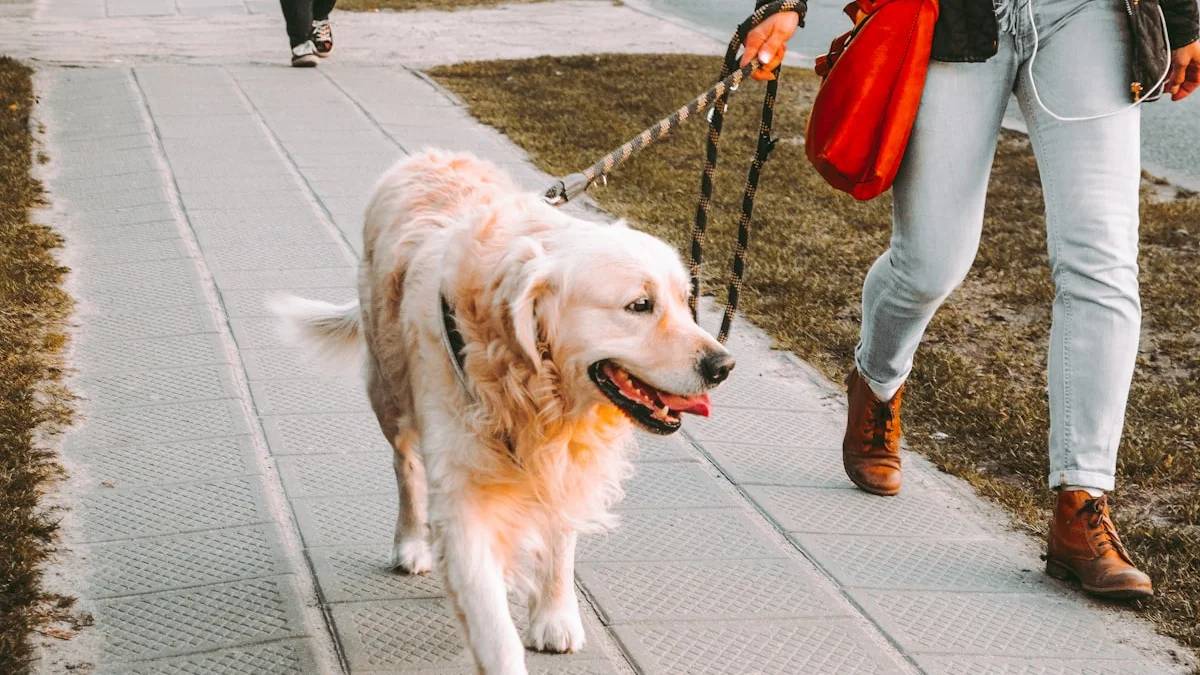
The best sleep intervention I’ve ever witnessed was performed by a fifteen-pound terrier, and the patient didn’t consent or even notice. Grace, a friend from my old office job, adopted an anxious rescue a few winters back, the dog demanded the driveway at 7:15 every morning, sleet included, and within a month Grace was sleeping better than she had in a decade. She never became a dog person on purpose. The grace dog walker story matters because it strips the whole morning-light thing down to its working parts: same time, outside, every day, results showing up weeks later in a place nobody was looking.
The full method lives in the morning light and sleep guide; this is the story version, and the lesson hiding in it.
Key takeaways
- Morning light is the strongest signal that resets your body clock, and it works through ordinary vision: a ten-minute walk in regular clothes is a complete dose.
- Grace changed nothing except the walk. That’s the point: one consistent variable, same time daily, does the work.
- Sleep onset is the piece morning light most reliably improves, because falling asleep earlier is a clock question, not a willpower question.
- Results take two or three weeks and arrive quietly. Nobody can name the night it changed.
- You don’t need the dog. You need the attendance: same hour, outside, most days.
The patient, before the dog
Grace’s old pattern was the classic one. Lights off at 11, brain still open for business, one more mental errand, then one more, until it was somehow midnight and she was rehearsing an email she could have simply not sent. She blamed her phone, and she wasn’t wrong to, but a blue-light filter changed nothing worth measuring. Her trouble was falling asleep, which happens to be exactly the piece morning light most reliably improves, because that’s the piece the clock controls.
Worth pausing on, because it’s the part everyone gets backwards: she’d spent years treating bedtime as a willpower problem and a light problem as a phone problem. But the clock sets the hour your eyes get heavy, and the clock is set largely by light arriving through your eyes in the first hour of the day. Bedtime is where you collect on decisions made twelve hours earlier. Her 7:15 driveway appointments were the decision.
The experiment nobody designed
Here’s the elegant part, the reason this story earns a whole chapter slot. “The walks were short, fifteen minutes around a block the dog had opinions about. Grace didn’t change her bedtime, her coffee, her mattress, or her screens. Nothing else moved.” One variable, held constant by a creature with the bladder of an hourglass. If she’d set out to build a habit, she’d have stacked three changes on top of it and never known which one mattered. The dog built a better experiment than any of us would have.
Two or three weeks in, she noticed she was falling asleep fast, lights-out-by-10:40 fast, and it took her another month to connect the change to the dog, because nothing about a leashed terrier feels medicinal. That lag is worth memorizing, because it’s the shape of every light-habit result: weeks of nothing dramatic, then somebody notices, then a backwards investigation finds the cause. The habit gets abandoned precisely because nothing happens on Tuesday.
And Grace is a skeptic, so she tested it without meaning to. “A rainy February week with shortened walks brought some of the old restlessness back, and going back to the routine settled things down again.” An accidental A/B trial, run on herself, with the dog as the stubborn protocol. She’ll happily tell you she can’t prove any of it in a lab. The dog would like more credit, and possibly a treat.
Why fifteen minutes is enough
The dose sounds too small, so here’s the math that makes it believable. Light gets measured in lux, and the indoor-outdoor numbers are lopsided enough to be funny: a comfortably lit living room runs about 100 to 500 lux, while an overcast day outside starts around 1,000 and can climb past 10,000. “The grayest January sky over the ugliest parking lot is still ten to a hundred times brighter than your kitchen with every bulb burning.”
Which means the walk doesn’t need sunshine, weather luck, or an early alarm. It needs to happen outdoors and at the same hour. “You’re not topping up vitamin D out there. You’re setting a watch.” The consistency is doing as much work as the brightness, because the clock responds to signals that arrive on schedule; a body that surfaces at the same time for a month starts expecting the appointment. Grace’s dog enforced the schedule better than any app, which is one more thing the subscription market can’t sell you.
Building your version without the dog
You can hire the terrier’s job out to whatever anchors your morning already. “Take the coffee, the tea, or just yourself outside within an hour of waking, stand there for ten minutes, and let the sky argue with your clock on your behalf.” Attach it to something that happens every day at the same time anyway: the first coffee, the school run, the walk to the bus. My own version is less impressive than Grace’s. I take the coffee out the front door within ten minutes of waking, no phone, and stand there like a middle-aged woman watching weather happen. On gray days I walk to the corner and back, which roughly doubles the dose in winter and delights every dog on the street.
The honest caveats, since I promised you a person and not a brochure. If you wake before the sun, the pre-dawn sky still out-delivers your kitchen, and you can add bright lamps and five minutes of real sun when it clears the rooftops. In winter the recipe slows down and wants 30 or 40 minutes or two shorter chunks; you keep the wake time steady and let it carry the schedule. And if you have an eye condition or you’re considering a light box for genuine winter lows, that’s a conversation with a doctor, not a purchase on a hunch.
Give it two weeks before you judge it, the same trial period I’d give everything else, and if you keep a sleep log, the trend shows up there before your memory believes it. And when you’ve had a bad night, the walk matters more, not less, because daylight is the cheapest way to keep that night from rearranging the whole week; the day-after logic lives in how to survive the day after a bad night.
What Grace’s accident teaches
Three things, and then you’re free to go stand on a driveway. First, the mechanism is boring and free, which is why it took the entire wellness industry twenty years to ignore it. Second, the variable that matters is time-consistency, not intensity; fifteen minutes at 7:15 beat every gadget Grace ever glanced at. Third, judge it by weeks and by trend, never by a single night, because light works on the clock and the clock keeps office hours.
If your evenings are the half of the equation that needs work, the mirror move is dimming the house after dinner, and that side of the asymmetry lives in light exposure and melatonin.
Frequently asked questions
Who is Grace the dog walker?
A friend of the author whose anxious terrier demanded the driveway at 7:15 daily. She changed nothing else, and within two or three weeks she was falling asleep fast, lights-out-by-10:40 fast. A rainy February week with shortened walks brought the old restlessness back, completing the accidental experiment.
Why did the dog walks fix her sleep?
The walks delivered morning light at the same time daily, and light through the eyes is the strongest reset signal for the body clock. Morning light pulls the clock earlier, and an earlier clock means sleep arrives earlier. The dog was the delivery mechanism, not the medicine.
How long does it take to see results from morning light?
Two or three weeks to become obvious, and another month to connect the cause, in Grace’s case. Light shifts timing, and timing changes show up over days and weeks, not single nights. Give any new light habit a fair two weeks.
Do I need a dog for this to work?
No. The dog’s contribution was attendance. Coffee on the front steps, a walk to the corner, or ten minutes at the bus stop at the same hour each morning delivers the same signal. The habit needs the same time every day, not a leash.
Tomorrow’s version of the whole chapter: coffee in hand, out the door within an hour of waking, ten minutes, no phone. The full system is in Sleep, Finally.
This guide is educational, not medical advice. If sleep problems persist for months or wreck your days, see a doctor.