Alcohol & Sleep
Two Glasses of Wine and Insomnia: The Real Deal
By Nora Vale · April 2, 2025 · 7 min read
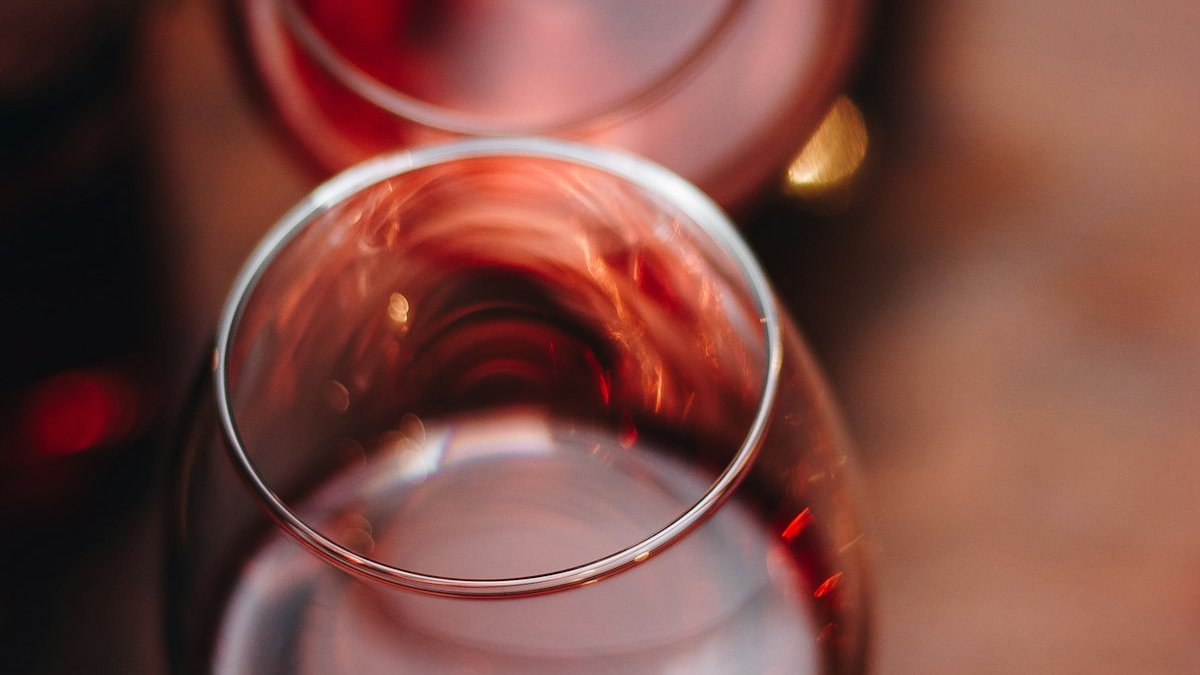
It’s 10:15 on a Wednesday and the last of the Merlot is gone, the glass rinsed and standing in the rack like it has an alibi. You’re asleep in under two minutes, which you’ve privately started calling a talent, and the arrangement feels like a small square of competence in an otherwise chaotic week. Then it’s 2:40 and your skin is wrong and your pulse is doing something the resting heart rate chart doesn’t have a row for. This is the two glasses of wine and insomnia connection nobody draws out loud, that the dose you drink for politeness quietly reorganizes the back half of your night. The full chapter behind this post lives in the alcohol and sleep guide.
Key takeaways
- Moderate doses still fragment sleep. Researchers measuring whole nights find the same damage at one or two glasses that they find higher up the scale, only quieter.
- The wine buys a fast fall asleep and bills the second half of the night, the half memory never records, which is why it never lands on your suspect list.
- Timing is a lever you already own. The same two glasses at 8:30 with dinner and the same two at 10:15 produce genuinely different nights.
- No dose anywhere in the literature improves the night’s actual architecture. Smaller and earlier shrink the bill. They don’t erase it.
- A two-week experiment with a log settles whether the wine is your thief in nine days, and a null result is still a good result.
Two glasses of wine and insomnia: the innocent dose
Start with the finding people argue with hardest. One or two glasses sits in the culturally exempt zone, the dose of dinner parties, anniversaries, and good behavior, and it does not feel like the kind of drinking that wrecks sleep. Sleep researchers who measure whole nights rather than only how fast people conk out keep finding fragmentation even at moderate doses, which means the mechanism doesn’t care about your intentions, only the chemistry. Smaller dose, smaller damage. Same mechanism. The point is narrower and more personal. The most common dose in the audience for this kind of advice is the moderate one, and the moderate one does its work in the most deniable way available.
Deniable is the operative word. Two glasses leaves no evidence at the scene, just a 2:40 wake-up with no obvious cause, and you file it under age, hormones, work stress, the thermostat. That’s what I did for a decade with my own two glasses of Merlot at nine. I read that fast arrival as proof the wine was helping.
Why the second half pays
Here’s the shape of the night, briefly. Alcohol front-loads deep sleep while suppressing REM, and the first half genuinely looks better, so the drink’s best work happens while you’re unconscious and taking attendance of nothing. A 2013 meta-analysis pooling about two dozen alcohol-and-sleep studies found the same pattern across all of them, more slow-wave sleep early, measurably less REM in the first half, at essentially every dose examined. Then the liver clocks in, and it clears alcohol at roughly one drink per hour, steady as a metronome and completely indifferent to your plans.
That’s the handoff. Sleep turns shallow and choppy, awakenings multiply, heart rate runs higher than it should, and the suppressed REM pushes back in as vivid, strange dreams. “First half deep. Second half wrecked.” For a standard evening pour the handoff lands between 2 and 3 in the morning, which is why so many people who wake at that hour share a schedule nobody gave them. “It isn’t bad luck. It’s a timetable.” The wake-up arrives with the pulse already up and the skin already hot, your brain reads that as danger, and it invents an inventory of everything that might be going wrong in your life. The reason was poured at ten.
The timing math nobody shows you
The lever people forget they have is the clock, not the cork. Take a standard eleven o’clock bedtime and two glasses finished at 8:30 with dinner, and the liver has cleared most of the load before your head reaches the pillow, with whatever rebound remains landing in the final third of the night, where sleep is already light anyway. Pour the same two glasses at 10:15 instead and you fall asleep with the full dose still on board, the sedative does its work after you’re down, and the handoff lands dead center in the night. Same wine. Different hours, different night.
Food softens the picture a little and people hope it softens more. Eating slows the pour of alcohol into the bloodstream, which blunts the first half somewhat, and it does nothing whatsoever about the second half, where the clearing and the rebound run on the liver’s schedule no matter what’s sitting in your stomach. Dinner isn’t a shield. The honest scale says the closer the last drink sits to bedtime, the bigger the bill, with the Sleep Foundation putting the practical minimum at about three hours between the last drink and bedtime, longer for several drinks.
What it looked like at my house
My evenings ended the same way for years, dishes in the rack, kids down, house finally quiet, two glasses on the couch, and a face-first arrival into sleep fast enough to feel earned. When the 2:40s started, I audited everything a sincere person would audit, and it never occurred to me that the source was sitting in the drying rack next to the dishes, still smelling faintly of Merlot.
The person in the book who maps this best is Lisa, forty-six, an accountant, a two-glasses-a-night person the way other people are a cup-of-tea-at-four person. Falling asleep was her superpower, out by 10:15, capable of it on planes and at parties. Her daughter talked her into three dry evenings a week with a log on the fridge, wake-ups and wine jotted in pencil. The pattern appeared in nine days, wine nights up between 2:20 and 3:00 like a commuter catching the same train, dry nights asleep through. “A suspect with that kind of alibi doesn’t get investigated. It gets thanked.”
Run the two-week version
You can argue with every published study, so don’t. Run it on yourself.
- Hold everything else boring. Keep dinner, routine, and phone habits where they are, or you’ll never know which lever did the work.
- Cut evening alcohol for two weeks. Three dry evenings a week is a legitimate entry and was enough for Lisa’s fridge to produce a pattern.
- Keep the log in two columns. Drinks on one side, night wakes on the other, in pencil. Memory will tell you that you barely drank and barely woke, in the same breath, and be wrong about both.
- Read the second half first. The log tends to improve exactly where the alcohol was doing its damage, within days.
Expect one honest wrinkle. Falling asleep can run longer on the first dry nights, because the off switch is gone and the wind-down habit that should replace it hasn’t been built yet. That’s the experiment showing how much of your sleep onset was sedation in a costume. And if two honest weeks move nothing, alcohol wasn’t your main thief. An experiment that clears a suspect is still a good experiment.
What cutting back won’t fix
The honest flaw first, because it protects you from a false conclusion. Quitting or cutting back won’t fix a sleep that’s broken in four other places. If your wake time wanders across the map, your caffeine runs until 4, and your bedroom glows like a departure lounge, two dry weeks hand you a tidy null result that teaches the wrong lesson from good data.
The other edge matters just as much. A fully rebuilt relationship with alcohol isn’t the entry price, and anyone who tells you that you’re doing it wrong unless you’ve quit entirely is selling a purity badge, not sleep. Fewer, earlier, with food is a legitimate stair-step that stands on its own. Two glasses at seven with dinner is a genuinely different night from two at ten on an empty stomach, and dry weekdays with a real Friday is a life, not a failure. If you want the second-half mechanics in more detail, the 2 a.m. wake-up pattern is where they’re laid out, the nightcap myth covers why the tradition survives on half the truth, and the loan and its interest schedule frames what the drink actually costs.
Frequently asked questions
Is two glasses of wine a night enough to cause insomnia?
It can be. Sleep researchers who measure whole nights, rather than only time-to-sleep, keep finding fragmentation even at moderate doses. Two glasses feels culturally innocent, and it’s the dose that does quiet, deniable damage, the kind you blame on your age.### Why do I fall asleep fine and then wake at 3 a.m. after two glasses?
Your liver clears alcohol at about one drink per hour, so the sedative that switched you off is substantially gone by two. The body reacts to the sedative leaving like a stimulant arriving, with warmer skin, a faster pulse, and a brain that surfaces and stays up. The reason was poured at ten.
Does drinking with dinner protect me from the insomnia?
Food slows how fast alcohol enters the bloodstream, which softens the first half a little. It does nothing for the second half, where the clearing and the rebound run on your liver’s schedule. Dinner isn’t a shield. It’s a cushion.
Will cutting back to one glass fix my sleep?
It makes the trade smaller, and smaller is worth doing. One or two glasses with dinner hours before bed is a genuinely different night from the same dose at ten on an empty stomach. But no dose improves the night’s actual architecture, so it’s damage reduction, not a clean bill.
How do I know if the wine is my problem at all?
Run the experiment. Two weeks without evening alcohol, everything else held steady, with a log pairing the drink column against the wake column. If the pattern shows up, you have your answer in nine days. If nothing moves, alcohol wasn’t your main thief, and that’s a real result too.
The book behind all of this is Sleep, Finally. Pour the next one at dinner instead of ten, and check what the fridge log says in nine days.
This guide is educational, not medical advice. If sleep problems persist most nights for three months or more, or if the evening drink has become the thing that makes the day survivable, a doctor is the right door.