Alcohol & Sleep
Does Alcohol Help You Sleep? It Borrows the Night
By Nora Vale · August 2, 2026 · 8 min read
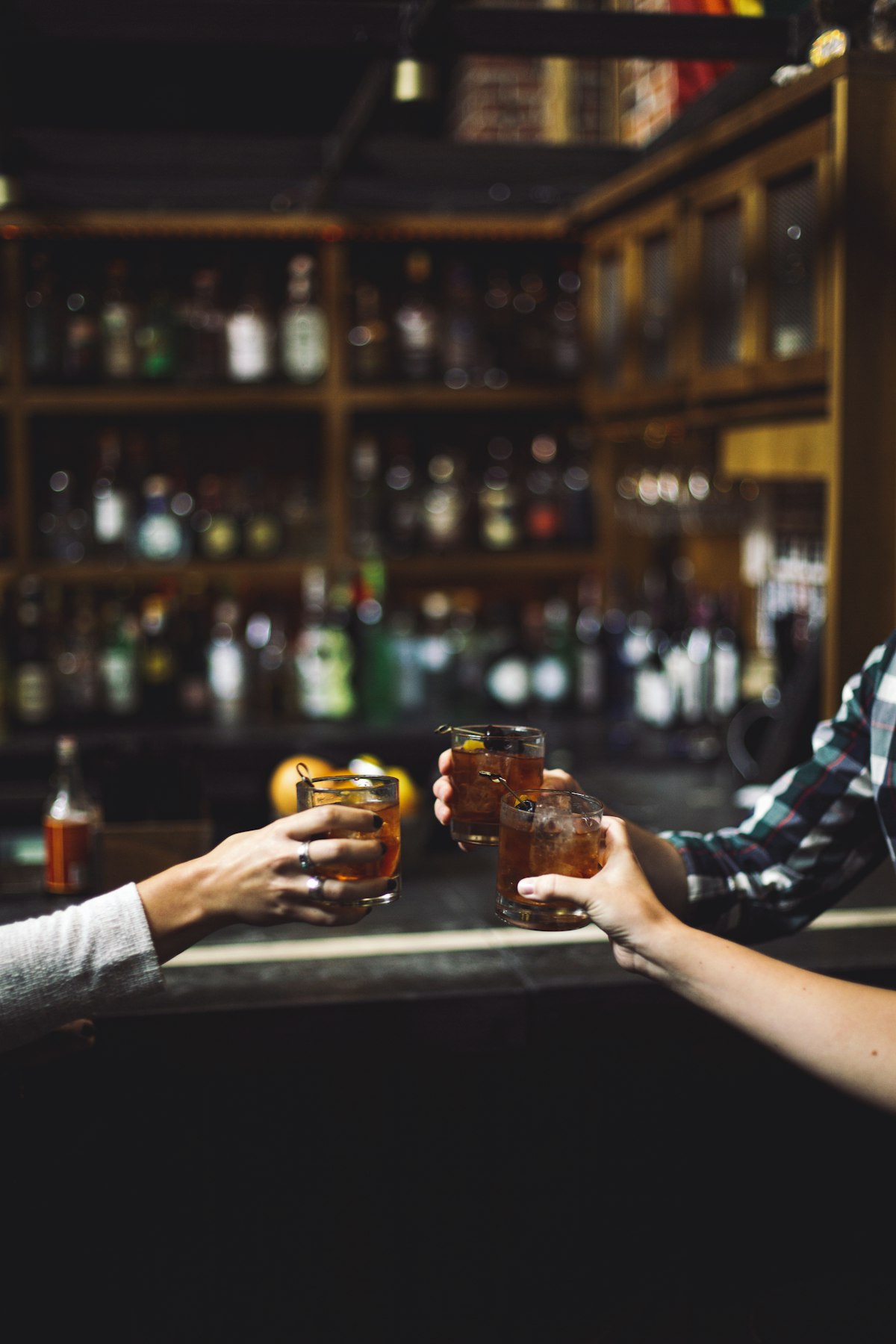
It’s 9:40 on a Tuesday. The dishes are done, the house is quiet, and you’re holding the last inch of a glass of red that you’ve been calling your off switch for longer than you can remember. You fall asleep fast. You always fall asleep fast, and part of you considers that a talent. Then it’s 2:40, your skin is hot, your pulse is doing something unofficial, and the ceiling has your full attention. So does alcohol help you sleep, honestly? It does the one thing you can see and undoes the eight hours you can’t, and that gap is where a decade goes. The whole story, timing and experiments included, is in the alcohol and sleep guide.
Key takeaways
- Alcohol genuinely shortens the time it takes to fall asleep, and no honest answer pretends otherwise. You weren’t imagining it. You were sedated.
- Sedation and sleep feel identical from the inside and look identical from the doorway, and they are different things.
- The cost lands in the second half of the night, the part memory doesn’t record, which is why the wine never makes your suspect list.
- A 2013 meta-analysis found more deep sleep early, less REM, and fragmentation across essentially every dose studied.
- Moving your last drink earlier changes the math more than anything else, and quitting isn’t the entry price.
Why it feels like it works
Start with what’s true. Alcohol reliably shortens the time it takes to fall asleep, that effect shows up whenever researchers measure it, and if you’ve ever dropped off fast after a couple of drinks, you weren’t imagining it. You were sedated. Sedation arrives with a feeling of deep relief that the body files under sleep, and nobody checks the paperwork until the middle of the night. The word nightcap exists because whole cultures decided, centuries apart, that a final warm drink at day’s end was medicine, and the border-drawing ceremony inside that habit was wise all along. Only the chemistry was undermining it.
The confusion survives because of what sleep actually is. A sleeping brain runs a night shift with staged jobs, deep sleep early on handling physical repair, REM later handling memory and emotional filing. Sedation is the shutdown of that operation. A sedated brain isn’t performing the night shift. It’s been locked out of the building, and the work goes undone or gets shoved into the small hours until the sedative thins enough for the doors to open again. You already know the difference, even if you’ve never named it. Think of the night you passed out on a friend’s couch after a party, technically unconscious for seven hours, and rising the next morning feeling stored rather than rested. Sedation’s signature.
What the second half of the night looks like
The part nobody bills you for, at first. Alcohol front-loads extra deep sleep while suppressing REM, and a 2013 meta-analysis pooling about two dozen alcohol-and-sleep studies found the same shape across all of them, more slow-wave sleep early, measurably less REM in the first half, at every dose examined. The first half looks upgraded. It’s rented.
Then the liver clocks in. It clears alcohol at roughly one drink per hour, steady as a metronome and completely indifferent to your plans, so the sedative that switched you off at 10:15 is substantially gone by two. What’s left is the rebound. Sleep turns shallow and choppy, awakenings multiply, your heart rate runs higher than it should, and the suppressed REM pushes back in as vivid, strange, often unpleasant dreams. First half deep. Second half wrecked. And here’s the cruel part: memory doesn’t record sleep quality. It records falling asleep and waking up, so the cost lands in the part of the movie that ends up on the cutting room floor. You wake at 2:40, the glass three rooms away, and you conclude you woke up for no reason at all.
How to test what it’s doing to you
You can argue with every study ever published, so don’t. Run it on yourself instead, because your own log beats anybody’s average.
- Hold everything else boring. Keep dinner, routine, and phone habits exactly as they are, or you’ll never know which lever did the work.
- Cut evening alcohol for two weeks. Not forever, just a fortnight. Three dry evenings a week is a legitimate entry.
- Keep a log with two columns. Drinks on one side, night wakes on the other, in pencil, on the fridge. Memory will tell you that you barely drank and barely woke, in the same breath, and be wrong about both.
- Read the second half first. Within days, the log tends to improve exactly where the alcohol was doing its damage, fewer wake-ups, later ones, easier returns.
Expect one honest wrinkle: falling asleep can get slower for the first few dry nights, because the off switch is gone and the wind-down habit that should replace it hasn’t been built yet. That’s not the experiment failing, that’s the experiment showing how much of your sleep onset was sedation in a costume. When the log starts implicating the wine, the 2 a.m. wake-up pattern is where the trail leads.
Two people who ran it
Lisa, forty-six, an accountant, two glasses of wine a night since her mid-thirties, could fall asleep in ninety seconds anywhere, on planes, at parties, in a straight-backed chair at her nephew’s graduation. She also woke at 2:40 most nights, and she spent years auditing everything else: perimenopause, work stress, the new mattress, the neighbor’s motion light. The wine never made the list. Why would it, when the wine was the one thing that reliably produced sleep? Her daughter talked her into three dry evenings a week with a log on the fridge, and the pattern appeared in nine days.
Then there’s the man who drinks only beer. Two lagers most evenings, on the back steps between the warehouse and dinner, and he’ll tell you with complete sincerity that he doesn’t really drink, that beer barely counts. His version surfaced at 3:15, dry-mouthed and strangely warm, and he blamed the warehouse, then his age, then, once, the dog. Nobody suspects the beer. His fix was moving the beers to dinnertime, and the 3:15 became a sleepable 5:30 inside two weeks.
What it won’t fix
Now the honest flaw in the anti-nightcap case. Cutting evening alcohol improves the second half of the night, but it won’t fix a sleep that’s broken in four other places, and if your wake time wanders across the map, your caffeine runs until 4, and your bedroom glows like a departure lounge, two dry weeks will hand you a tidy null result and a false conclusion. Alcohol is one thief among several. No dose anywhere in the literature improves the night’s actual architecture, so the best you can do with the evening glass is make the trade smaller. Smaller is worth doing. Smaller isn’t clean, and the Sleep Foundation’s numbers back that up with nine in ten evening drinkers reporting at least one sleep problem.
Frequently asked questions
Why do I fall asleep faster after drinking?
Because alcohol is a sedative, and sedation genuinely shortens the time it takes to fall asleep. That part isn’t imaginary. But sedation is the shutdown of the brain’s night shift, not the shift itself, so the sleep you get afterward is a worse product than the thing you fell asleep so quickly to get.
Does a nightcap really ruin the second half of the night?
The evidence says it damages the half you can’t remember. Your liver clears alcohol at about one drink per hour, and as the sedative wears off, sleep turns shallow and choppy, awakenings multiply, and heart rate runs high. Since memory doesn’t record sleep quality, most people blame something else entirely.
How bad is one glass of wine before bed?
Less damaging than three, and not harmless. Researchers who measure whole nights, rather than only time-to-sleep, keep finding fragmentation even at moderate doses. One glass early with food is the gentlest version of the trade. Still a trade.
Does eating dinner with a drink protect my sleep?
It softens the first half, because food slows how fast alcohol enters the bloodstream. It does nothing for the second half, where the clearing and the rebound run on your liver’s schedule. Dinner isn’t a shield. It’s a cushion.
Do I have to quit drinking entirely to sleep well?
No, and anyone selling that purity badge is selling something other than sleep. Fewer drinks, earlier drinks, with food, is a legitimate stair-step that stands on its own. Dry weekdays with a real Friday is a life, not a failure.
The book behind all of this, log and all, is Sleep, Finally. Pour the next one at dinner instead of nine. Check what the log says in nine days.
This guide is educational, not medical advice. If sleep problems persist most nights for three months or more, or if the evening drink has become the thing that makes the day survivable, a doctor is the right door.