Hormones & Sleep
The Perimenopause Cooling Playbook for Your Bedroom
By Nora Vale · October 26, 2025 · 7 min read
I woke at 2:20 in a wet shirt, flipped the pillow to the cool side, laid a towel over the damp one, and lay there doing clock arithmetic while the heat drained out of me. The flash lasted minutes. The waking cost an hour. Somewhere in the third week of that I started blaming my workload, which tells you how the accounting goes: the workload hadn’t changed. My forties had.
The useful thing I learned, and what this post hands over, is that a short, cheap playbook in the bedroom buys back real sleep during perimenopause. Not all of it. Some nights it removes one thief while another works quietly in the next room, and I’ll be honest about that part too. The full chapter is in the hormones and sleep guide.
Key takeaways
- A flash lasts minutes; the waking after it costs an hour. The playbook targets the waking.
- Cool the room to the bottom of the 65-68°F range, cooler than your thirties-preferred setting.
- Layers with exits, wicking fabrics, a fan on standby: the kit costs almost nothing.
- The trigger log, fourteen days, finds patterns memory rounds off.
- Cooling fixes the heat, not the progesterone. Both can be true.
The bed is the scene of the crime
Before the fixes, one piece of mechanism, because it explains where the playbook aims. You can find yourself wide awake at 3:40 with a pounding heart and damp hair, wondering what changed, and the honest answer is that plenty changed, just slowly enough that nobody announced it. The flash itself is short. The damage is the sequence after: the pillow flip, the towel, the clock math, and the worry that moves in once the heat leaves. The heat starts it. The worry finishes it. So the playbook has two jobs: shrink the flash and shorten the after.
Dial one: the room, colder than feels polite
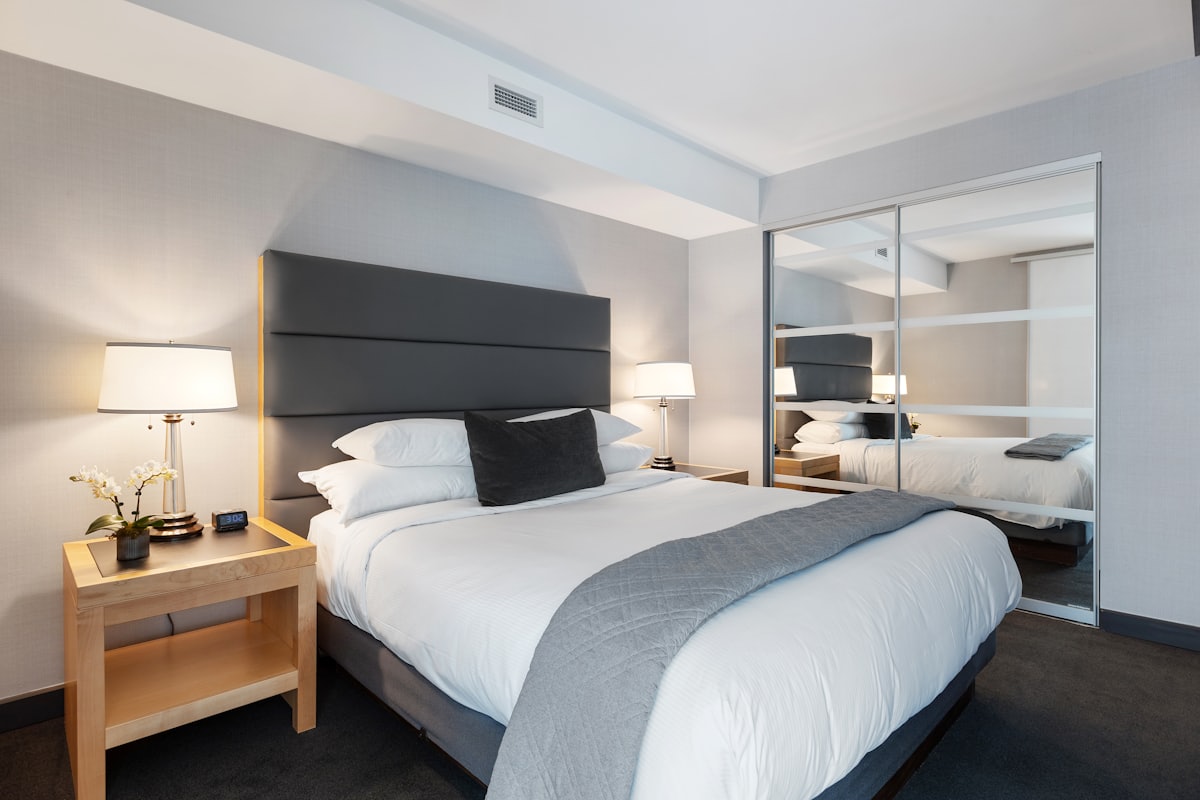
The room that suited you at thirty-five is now running against you. Your body runs hotter at night during this window, so the thermostat has to compensate: aim for the bottom of the usual 60 to 68°F range, and expect your partner to wear socks, which is a fair trade. Lower it two degrees from wherever it sits now, log a week, then adjust. That’s the whole move, and it costs about nothing.
One caveat worth saying out loud, because marketing will tell you otherwise: you don’t need a $2,000 cooling mattress to start. The boring version is the version that works. Gadgets can earn their place later, after two weeks of data, not before.
Dial two: bedding with exits
A heavy duvet is a commitment your body can’t keep at 2 a.m. The fix is layers with exits: a flat sheet, a lighter blanket, a duvet you can shed in stages, and one foot out of the covers as the first pressure valve. Sleepwear matters more than anyone expects, and here I’ll admit I rolled my eyes at the phrase moisture-wicking before it proved itself. It sounds like marketing copy, and I rolled my eyes at it too. It works anyway: synthetic or merino pulls sweat off your skin instead of holding it the way cotton does, and cotton’s damp cling is half the misery of a 3 a.m. flash.
Keep a cold pack in the freezer wrapped in a towel, and a fan within arm’s reach. The fan is a fire extinguisher for flushes: air movement across damp skin drops the flash’s cost sharply, and the steady hum doubles as masking noise. For the wider room work, the same four dials from any good bedroom apply, and my post on night sweats cooling tips goes deeper on the fabric choices.
Dial three: the trigger log
This is the strongest tool in the playbook and the least glamorous. A woman in the book, Christine, forty-seven, spent six months doing detective work from memory and concluded she had no pattern. Then she kept a notebook by the kettle, one line each morning about the day before: wine, spicy food, late meal, when the flash hit. Two weeks later her own handwriting showed the cluster: Tuesday curry, Friday salsa and beer, hot sauce after six. The loudest pattern wasn’t the wine at all. It was the food.
Memory is a terrible statistician. It rounds off Tuesdays. So the log has rules: fill it in for fourteen days, not seven. Weekly patterns need two cycles before they’ll confess. One line per morning, ninety seconds, about yesterday. Christine didn’t become a monk afterward: wine moved earlier and smaller, curry became a Saturday lunch, and she got her nights back. Same Tuesday, different bill.
What cooling cannot do
Now the honest part, because I’d rather tell you than have you discover it at 3 a.m. Nobody lies awake at 3 a.m. thinking, my progesterone is falling. The quiet half of perimenopause sleep trouble has nothing to do with heat: as progesterone drops, sleep thins independently, and no thermostat touches that. A woman who cools her room perfectly and still sleeps lightly hasn’t done anything wrong. She’s removed one thief while another works quietly in the next room. The fundamentals that cover the quiet half, fixed wake time, morning light, early caffeine cutoff, are the ones in why is perimenopause ruining my sleep, and the luteal-week temperature bump gets its own post in luteal phase sleep problems.
There’s also the doctor line, and I hold it without drama. Notebooks record. Labs read. I can’t. If sleep has thinned for months despite honest cooling work, that’s data for a clinician, and if “that’s just your age” is the whole answer you get, that’s a sign to find a different doctor, not to go home. A notebook that honest is still worth keeping. It just isn’t a lab.
Frequently asked questions
What is a perimenopause cooling playbook?
A short bedroom kit: room at the bottom of the 60 to 68°F range, layered bedding with exits, moisture-wicking sleepwear, a fan in reach, a cold pack, and a fourteen-day trigger log. The whole thing costs less than one boutique cooling gadget and targets the waking that follows a flash, not just the flash.
What temperature should the bedroom be?
Cooler than it was in your thirties, roughly the bottom of the usual sleep range. Drop the thermostat two degrees from its current setting, give it a logged week, and adjust from there. Your partner’s socks are part of the budget.
Do I need a cooling mattress?
Not to start. Begin with the free moves: temperature, layers, fabric, fan. If two weeks of log data shows heat is still your main thief, then a gadget earns a trial. Buying hardware before the data is how closets fill up.
What actually triggers night sweats?
Evening alcohol and hot or spicy food close to bedtime are the loudest patterns in the log, ahead of the warm room and heavy duvet. Memory will insist there’s no pattern. The fourteen-day log will disagree, politely, in your own handwriting.
What if cooling doesn’t fix my sleep?
Cooling removes the heat thief; dropping progesterone can thin sleep independently, and both can be true at once. Keep the playbook, add the fundamentals, and if the thinning lasts months, bring the log to a doctor. That’s data, not defeat.
You haven’t broken anything. Your thermostat got moved. The full chapter and kit are in Sleep, Finally. Drop the thermostat two degrees tonight. Start the log tomorrow with breakfast.
This guide is educational, not medical advice. It doesn’t diagnose anything. For hormone questions, heavy night sweats, or sleep that stays broken despite honest effort, a doctor who listens is the right door.