Bedroom & Sleep Environment
best temperature for sleep
By Nora Vale · June 7, 2026 · 7 min read
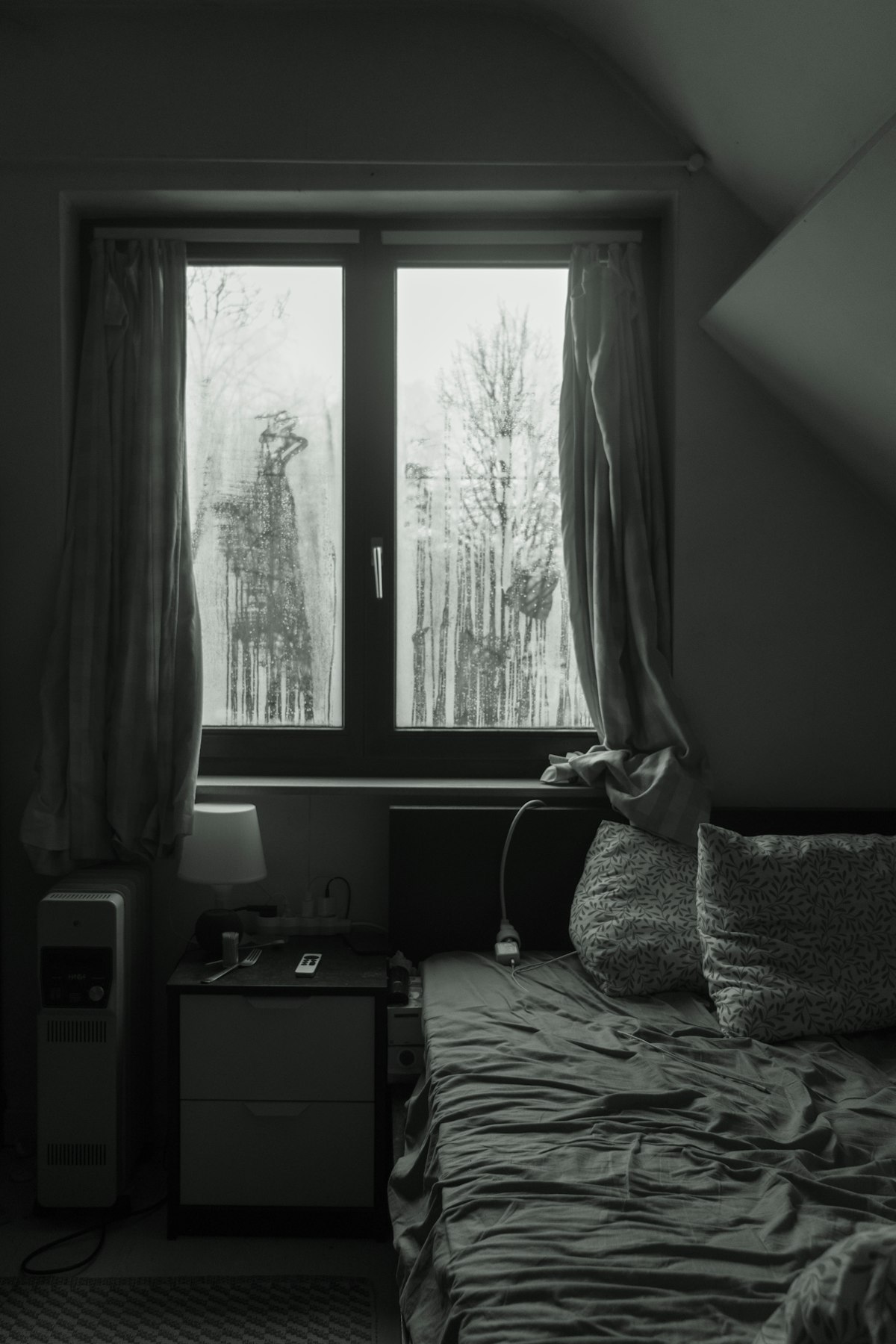
The thermostat is not the first thing anyone suspects when sleep goes bad. It was one of the last things I suspected, after a year of failed fixes. The room looked fine. The bed was comfortable. But every evening I climbed under a heavy duvet into warm air, waited for sleep the way you wait for an elevator that never comes, and blamed my brain for the delay.
The delay wasn’t psychological. It was thermodynamic. To fall asleep, your core temperature needs to drop by roughly one to two degrees Fahrenheit, and that falling signal tells the brain the night has actually begun. A warm room blocks the drop. A cool room invites it. That single inversion rearranged my bedroom, and it’s the piece most temperature advice leaves out. This post is part of the bedroom sleep environment chapter, where temperature is one dial of four.
Key takeaways
- Falling asleep requires a falling core temperature, which is why cool rooms invite sleep and warm ones block it.
- The commonly cited sweet spot is 65 to 68°F; the Sleep Foundation’s workable range runs from 60 to 68.
- Your number is personal. A seven-day experiment beats every chart on the internet.
- A warm shower one to two hours before bed helps, because the cooldown after it is the real signal.
- Couples don’t need one temperature. Per-side bedding gives two climates four inches apart.
The best bedroom temperature for sleep, by the numbers
Here’s the range, since you came for it. “The commonly cited sweet spot is 65 to 68°F, and the Sleep Foundation’s workable range runs wider, from 60 to 68, which tells you the truth about the number: it’s a starting point, not a law.” Some people sleep cold, and they can experiment upward instead of shivering through a rule.
I’d rather hand you the range than a single number, because a single number is a quiz answer, and your body didn’t take the quiz. Age, body size, the duvet you own, whether your feet run cold, all of it shifts where inside 60 to 68 your best night lives. The honest answer to the best bedroom temperature for sleep is a process that takes one week. Set the room a couple of degrees cooler than usual, keep everything else the same, and write down how long it took you to fall asleep each night. Your own seven nights beat any chart, including the charts printed in this book.
Why cooler air puts you to sleep faster
The logic runs backward from comfort. Your body clock doesn’t decide it’s nighttime by the clock on the wall, it decides by signals, and one of the oldest is a core temperature slipping downward. When the room is warm, the drop can’t happen, so you lie there with a body still running on daytime settings. Your brain ends up “half-dressed for a party nobody invited it to.”
This is why the bedroom fights so many people in winter. The heating runs, the duvet is heavy, and the body never gets its descent. The fix usually isn’t a colder house. It’s a cooler bedroom with warmer bedding, which sounds like a contradiction and isn’t. The room carries the signal. The layers carry the comfort. Kick one leg out from under the duvet at 2 a.m. and you’ve performed climate control without waking up.
One honest limit. A cool room helps sleep arrive, and it won’t hold a bad night together on its own. The winter I fixed my room, I dropped the thermostat, taped every LED, and still spent some nights wide awake, because a 4 p.m. coffee and a mind that wouldn’t close its tabs were doing their own arguing. The room sets the floor. It doesn’t build the night.
The warm shower trick, and why timing decides everything
Now the part that sounds backward. A warm shower or bath one to two hours before bed helps you fall asleep faster, and the number is solid: researchers at the University of Texas pooled thirteen trials in a 2019 review and found that a soak of ten minutes or more, at around 104 to 108°F, cut the time to fall asleep by about ten minutes on average.
The mechanism is almost rude. Warm water pulls blood toward the skin, and once you get out, all that heat escapes through your hands and feet, dragging your core temperature down. You’re not warming yourself toward sleep. You’re triggering the drop that sleep is waiting for. The full version is in does a warm shower before bed help.
Warm feet count too, which is the half nobody believes. Socks or a hot-water bottle help the same drop along, because heat escaping through the extremities is how the core cools, and cold feet genuinely delay it. So the formula is stranger than any of us were taught: cool room, warm body, shower ninety minutes before the pillow.
Layers beat thermostats, especially if you share the bed
If your heat is controlled by a landlord, a spouse, or a building that starts pumping warmth in October, the thermostat is not your dial. Bedding is. A duvet and the room temperature are one system, and layers let you adjust at 2 a.m. without properly waking. If your heat runs on a timer that kicks in before dawn, that sudden warmth can surface you right when sleep is lightest, which argues for bedding you can shed.
Couples complicate it, because two bodies rarely agree on one temperature. The workable compromise is per-side bedding: a lighter duvet on one side, a heavier one on the other, so two people get two climates four inches apart. I resisted this for years because it looked unromantic, which is a terrible reason to lose sleep. Skip the thermostat war. Nobody wins one.
The cheap way to find your number this week
Set the bedroom two degrees cooler than usual tonight, or crack the window if the thermostat is out of your hands. Keep everything else the same for seven nights, and jot down each morning how long it took you to fall asleep. That’s the entire experiment. If cooler helped, keep going down until it stops helping. If you slept worse, move back up an inch at a time, because no range printed in a book outranks your own log.
Temperature doesn’t work alone, though. It shares the room with light, which pushes the body clock around even at modest brightness, and the two dials are cheapest to fix together. If your bedroom isn’t properly dark yet, start with why your bedroom should be dark. If the heat kicking on before dawn keeps waking you, why do I wake up when the heating kicks in takes that apart. And if noise is the dial that’s broken instead, white noise for sleep covers the steady-sound trick.
Frequently asked questions
What is the best bedroom temperature for sleep?
The commonly cited sweet spot is 65 to 68°F, and the Sleep Foundation’s workable range runs wider, from 60 to 68. Treat it as a starting point rather than a law. Some people run cold and do better nearer the top of the range, which is why a one-week experiment beats any chart.
Is it better to sleep cold or warm?
Cool. Your core temperature needs to drop by roughly one to two degrees Fahrenheit for your brain to register that the night has begun, and a warm room blocks that drop. You can still be warm under the covers, though. The room carries the signal while layers carry the comfort.
Does a warm shower or bath help you sleep?
Yes, if the timing is right. Researchers at the University of Texas pooled thirteen trials in a 2019 review and found that a soak of ten minutes or more, around 104 to 108°F, cut the time it took people to drift off by about ten minutes on average. Take it one to two hours before bed, because the benefit is the cooldown after you get out.
What if my partner likes the room warmer than I do?
Skip the thermostat war and try per-side bedding: a lighter duvet on one side of the bed, a heavier one on the other, so two people get two climates four inches apart. The room still needs to be cool for the signal. Your body can be warm under whichever layer it likes.
Tonight’s version takes fifteen minutes. Drop the thermostat a couple of degrees, or open the window an inch, then take a warm shower about ninety minutes before you’d like to be asleep. Add the socks. If the whole room needs rebuilding, the four-dial version is in Sleep, Finally. Crack the window tonight, and see what your seven nights say.
This guide is educational, not medical advice. If poor sleep persists for months or wrecks your days, see a doctor.