Exercise, Naps & Sleep
Leg Day and Sleep: Why Hard Sessions Make You Sleepy
By Nora Vale · June 14, 2025 · 7 min read
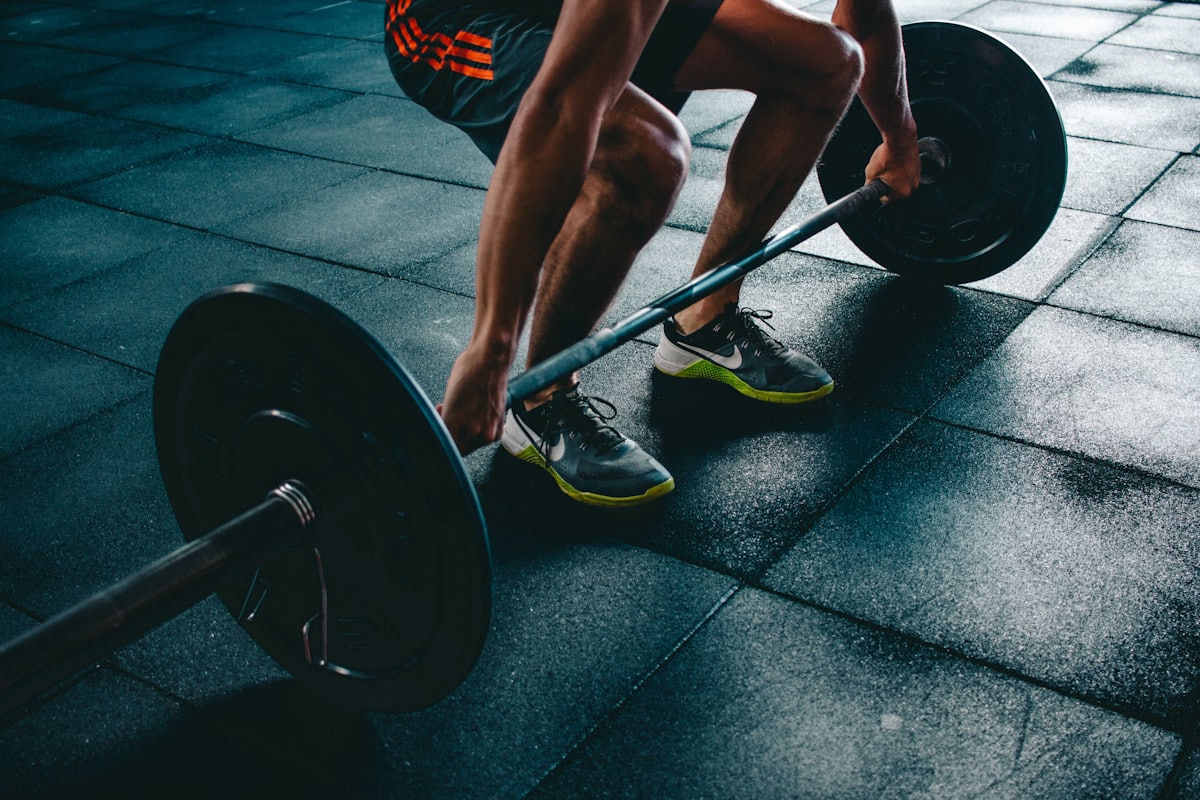
The squat rack knows a secret the sleep industry hasn’t monetized: the night after leg day is usually the deepest sleep of my week, and it costs no subscription. I used to think the heavy-legged drowsiness on those evenings was just fatigue doing its dumb thing, but it’s the mechanism working exactly as designed. If you’ve noticed leg day and sleep running on the same rails, you weren’t imagining it. The exercise and sleep guide holds the full chapter, and this post is the leg-day-specific version.
Key takeaways
- Legs are your biggest muscles, so hard leg sessions recruit the most tissue and raise sleep pressure the most.
- Deep sleep is the physical-repair shift, and heavy training hands it more work, which is why those nights run deep.
- Strength training and cardio show similar sleep benefits, so the choice is about what you’ll repeat, not about which sleeps better.
- The one timing rule: finish hard sessions one to two hours before bed, a cooling-off period rather than a curfew.
- The honest limit sits at the overtraining end, where chronic heavy volume without recovery burns the night back.
The pressure math of big muscles
Sleep pressure builds in your brain every hour you’re awake, faster when your body is actually doing things, and it drains while you sleep. Movement raises the fill rate. Sitting all day throttles it. A hard leg session raises it about as much as movement gets raised, because the quadriceps, glutes, and hamstrings are the largest muscle mass you own, and recruiting them hard is the closest thing to a full-body demand you can fit into forty-five minutes.
The Johns Hopkins framing applies to any moderate-to-hard aerobic work, but the principle scales with effort and tissue: even thirty minutes measurably improves that same night’s sleep, and a leg day spends more like the full dose. That heavy, almost pleasant drowsiness you feel by evening after squats is the tank sitting full, which is exactly what the night wants. A body that spent nothing by evening has nothing to pay sleep with, and leg day spends plenty.
This is also why the first weeks of a new training routine, when you’re slow, sweaty, and unimpressive, are often when people notice their sleep changing. Your sleep responds to the doing, not the finishing.
Why the deep-sleep shift runs longer
The second mechanism is repair, and it’s the reason the effect feels different from a walk’s. Deep sleep is the slow-wave, physical-repair part of the night, the shift where the body does its tissue maintenance, and a heavy leg session creates more tissue that needs maintaining. When researchers tracked sleep stages instead of opinions, evening exercisers came out with more slow-wave sleep, not less, which fits the logic perfectly: the workout wrote the night a work order, and the night filled it.
This is the polite answer to the old fear that lifting at night wires you up. The surveys found most people exercising at eight or later report falling asleep quickly and sleeping deeply, and the stage-tracking data backed the reports with biology. What genuinely disturbs sleep after late exercise is physics, not villainy: core temperature and heart rate need time to descend, which is the whole job of the one-to-two-hour buffer before bed. A warm shower or an easy cool-down walk speeds the descent, and a leg day finished at seven has no collision with an eleven o’clock bedtime.
The bar underneath all of this stays low, for the record. You don’t need a barbell for any of it, since stairs, hills, and hauling groceries from the far end of the parking lot recruit plenty of leg and count exactly the same way to your sleep. None of it looks like exercise. All of it is movement, and your sleep doesn’t check your outfit. The barbell just writes the biggest check.
When hard training backfires
Now the honest limit, because it’s real and it’s the reason some lifters read sleep advice with suspicion. Chronic heavy training without adequate recovery can burn the night back, the overtraining end of the spectrum, where sleep turns restless, the resting pulse refuses to drop, and the sessions that were supposed to bank deep sleep start taxing it instead. If your sleep gets worse as your training volume climbs, the fix is a deload week, not more discipline, and overtraining and insomnia: when exercise backfires covers that territory honestly, as does 7 signs you are overtraining and it shows in your sleep.
Timing matters at the margins too. A maximal-effort session thirty minutes before bed is fighting physics, and if your only slot is late, keep the hardest finish lines an hour or two from lights out, or split the session so the heaviest sets sit earlier in it. That’s a cooling-off period, not a curfew, and it leaves room for the rest of the evening to work in your favor. For the schedule question in full, best time to exercise for sleep and gym at 6 AM vs 6 PM: real differences for sleep run the comparison, and strength training vs cardio: which sleeps better settles the modality debate, which is a tie.
Frequently asked questions
Why does leg day make me so sleepy?
Legs are your biggest muscles, so a hard session recruits the most tissue, raises the fill rate of sleep pressure more than an upper-body day, and creates real repair demand that deep sleep is built to answer. The sleepiness is the mechanism, not weakness.
Does lifting weights help or hurt sleep?
It helps. Strength training and aerobic exercise show similar sleep benefits in the research, and evening lifters in the surveys reported falling asleep quickly and sleeping deeply. The one rule is finishing hard sessions one to two hours before bed.
Why do I sleep deeper after a heavy leg session?
Deep sleep is the physical-repair shift, and heavy training creates more tissue to repair. Evening exercisers tracked by sleep stages showed more slow-wave sleep, not less, which is the deep kind doing exactly the job the workout created.
Can too much leg training ruin sleep?
Yes, at the overtraining end. Chronic heavy training without recovery can burn the night back, with restless sleep and a resting pulse that won’t drop. If sleep gets worse as training volume climbs, the fix is a deload, not more discipline.
Should I do leg day in the morning or evening?
Whichever you’ll repeat. Evening works if you keep the one-to-two-hour buffer before bed, morning works if bedtime moved with the alarm. The best hour is the one that actually happens twice a week, every week.
For everyone else, leg day is one of the more underrated sleep tools in a gym, mostly because nobody sells it as one. My own split is unglamorous, two hard lower-body days a week and walks most other days, and it has kept my sleep in better shape than any single athletic achievement of my life. The full movement chapter is one chapter of the book, and it never asks you to max out.
This guide is educational, not medical advice. Persistent sleep problems despite healthy training habits deserve a doctor’s attention.