Exercise, Naps & Sleep
Gym at 6 AM vs 6 PM: Real Differences for Sleep
By Nora Vale · June 12, 2025 · 7 min read
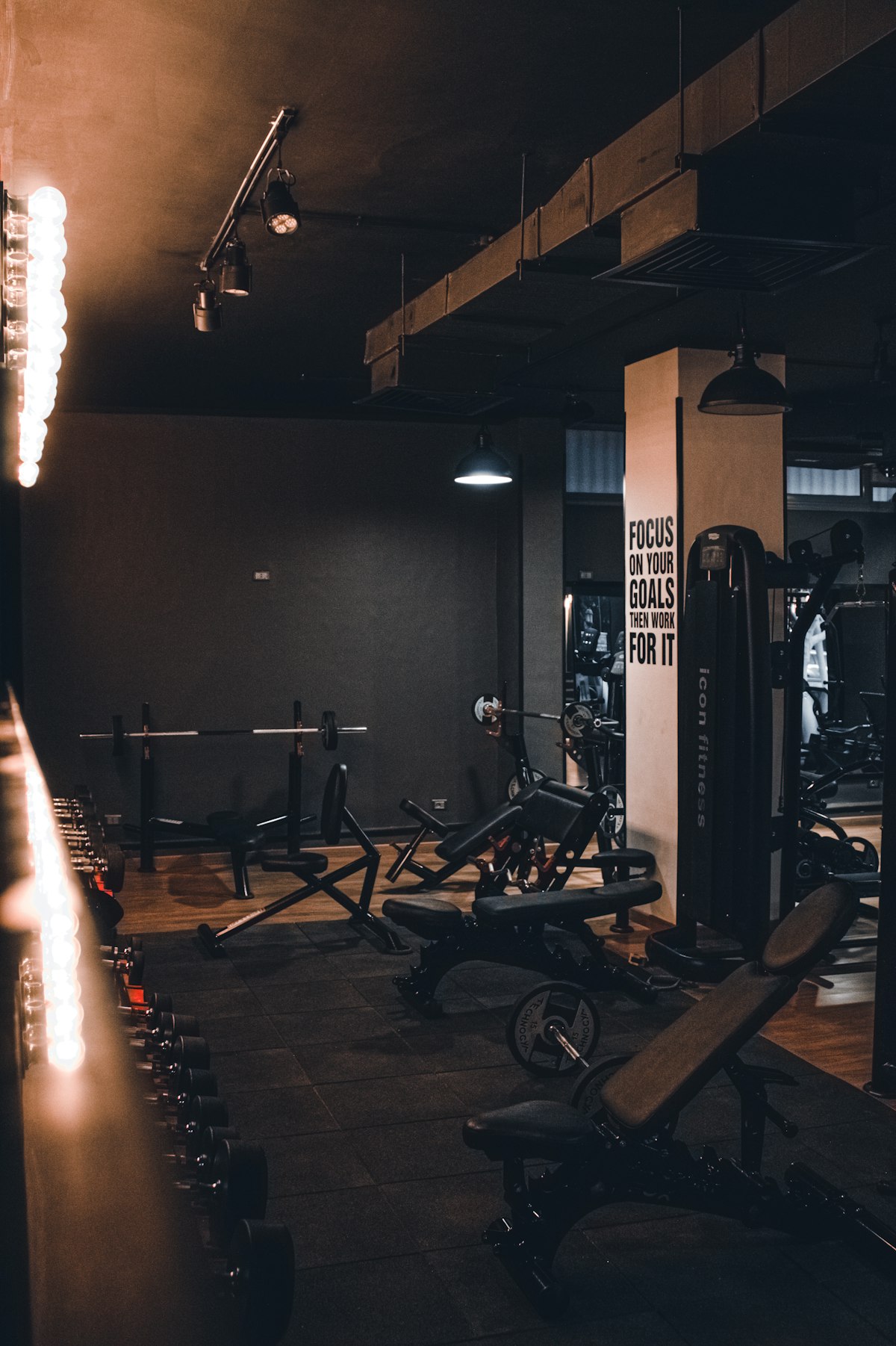
I organized my evenings around a rule that turned out to be made of fog: no real workouts after six, because they’d wire me up and wreck the night. The gym went at dawn, the evenings went to the couch, and my sleep stayed mediocre for years under a curfew nobody had tested. When I finally put the 6 AM versus 6 PM question to the actual evidence, the answer embarrassed me. The full movement chapter that settled it is my exercise and sleep guide, and this post is the honest comparison.
Key takeaways
- For sleep, both hours work, and the best one is the hour you’ll actually repeat, since consistency is where the benefits live.
- The never-exercise-in-the-evening rule has shown weak support when sleep researchers test it.
- Most evening exercisers report falling asleep quickly and sleeping deeply, and tracked evening workouts came with more slow-wave sleep, not less.
- The one rule that survives: finish vigorous workouts one to two hours before bed, a cooling-off period rather than a curfew.
- Morning’s real advantage is logistical, not biological, since dawn sessions pair with daylight and dodge the evening cancellation lottery.
What the research actually says about the two hours
Start with the part that should end the fear. The old three-hour rule, the one that banishes all evening exercise, has shown weak support when sleep researchers actually put it to the test. What survives scrutiny is narrower and more sensible: finish vigorous workouts one to two hours before bed and you’re fine. The caution was never about all movement, just about hard efforts in the final stretch, and even that is a gentle warning rather than a law.
The survey data goes further. Most people who exercise at eight in the evening or later report falling asleep quickly and sleeping deeply, according to the National Sleep Foundation’s surveys. And when researchers tracked sleep stages instead of opinions, evening exercisers came out with more slow-wave sleep, the deep physical-repair kind, not less. Your evening run is not sabotage. The myth can retire with our thanks.
What actually disturbs sleep after late exercise isn’t mystery, it’s physics. Vigorous work raises your core temperature and heart rate, and both need time to come down before your body will accept the idea of bed. That’s the whole reason for the one-to-two-hour buffer. A warm shower or an easy cool-down walk speeds the descent, and a 6 PM session that ends at seven has nowhere near the bedtime collision that folklore claims.
The real case for 6 AM
Morning’s advantage isn’t that sleep likes dawn better. It’s that dawn sessions are hard to steal. The 6 AM gym hour collides with almost nothing, because the meetings, the carpool, and the happy hour haven’t woken up yet, and a habit that depends on the evening surviving intact is a habit that cancels itself twice a week. Consistency is where the sleep benefits live, so the slot that actually happens wins by default.
The other stacking advantage is light. A 6 AM session followed by daylight on the walk home or the commute gives your body clock two signals at once, movement and light, and the combination does more for the rhythm than either alone. If your wake time has been drifting or your mornings feel like mud, the morning slot is the two-for-one deal, and morning exercise plus light: a double win for your clock covers exactly that pairing.
The honest cost of mornings: they’re paid in sleep. A 5:45 alarm to lift before work only works if bedtime moved with it, and a dawn session funded by midnight is a bad trade, since the sleep you’re buying movement with is the same sleep movement is supposed to improve.
The real case for 6 PM
Evening’s advantage is honest too. For plenty of people it’s the first genuinely owned hour of the day, and a workout you choose beats a workout you resent. The performance argument is real as well: strength and coordination tend to peak in the late afternoon, so the session at six is often the stronger one, and stronger sessions build the fitness that makes the habit repeatable.
The sleep math works if you respect the buffer. A 6 PM hard session ending at 7:15 leaves hours of cooling-off before a normal bedtime, and easy evening movement, the walk-after-dinner kind, has no restriction at all, since it raises temperature a little and lets it fall, which is the direction you want. If you like the evening slot, can I work out at night runs the full evidence, do evening workouts cause insomnia: myth vs fact handles the fear directly, and how close to bed can you work out: the 1-2 hour rule pins down the buffer precisely.
Frequently asked questions
Is a 6 AM or 6 PM gym session better for sleep?
For sleep specifically, both work. Strength training and aerobic exercise show similar benefits in the research, and the best hour is the one you’ll actually keep, because the hour you’ll actually keep beats the hour that’s theoretically perfect.
Does evening exercise really wreck sleep?
No, that rule has shown weak support when researchers actually test it. Most people exercising at eight or later report falling asleep quickly and sleeping deeply, and evening exercisers tracked by sleep stages came out with more slow-wave sleep, not less.
What’s the one timing rule that survives scrutiny?
Finish vigorous workouts one to two hours before bed. Vigorous work raises core temperature and heart rate, and both need time to descend. That’s a cooling-off period, not a curfew, and a warm shower or easy walk speeds it along.
What are the real advantages of a 6 AM session?
Consistency and stacking. Morning sessions collide with fewer evening obligations, they pair naturally with morning light that helps your body clock, and they can’t be eaten by a late meeting. The sleep benefit itself is roughly the same.
What if my only free hour is 9 PM?
Take it. Move whenever your life allows, keep the hardest efforts finished an hour or two before lights out when you can, and if a hard session runs late now and then, nothing needs rescuing. The worry has wrecked more nights than the workout.
One honest limit for the whole comparison. This is about sleep outcomes for ordinary training, not about personal records, and if a late hard session genuinely does cost you sleep twice in a row, that’s your data, and moving it earlier is the sensible response regardless of what surveys say. Bodies vary, and the two-week test on yourself outranks any article, including this one.
So which hour should you pick
Pick the one you’ll keep in February. If your evenings dissolve, the 6 AM session protects the habit from your calendar. If dawn alarms make you miserable and miserable habits die, the 6 PM session with a one-to-two-hour buffer before bed is fully legitimate, and the research says your slow-wave sleep may even thank you. The best exercise for your sleep is the one you’ll actually repeat, and the hour follows the same rule. The full movement chapter, timing myths included, is one chapter of the book.
This guide is educational, not medical advice. Check with a doctor before changing your exercise routine if you have health conditions.