Stress & Cortisol
How to Sleep During a Stressful Week
By Nora Vale · April 30, 2026 · 7 min read
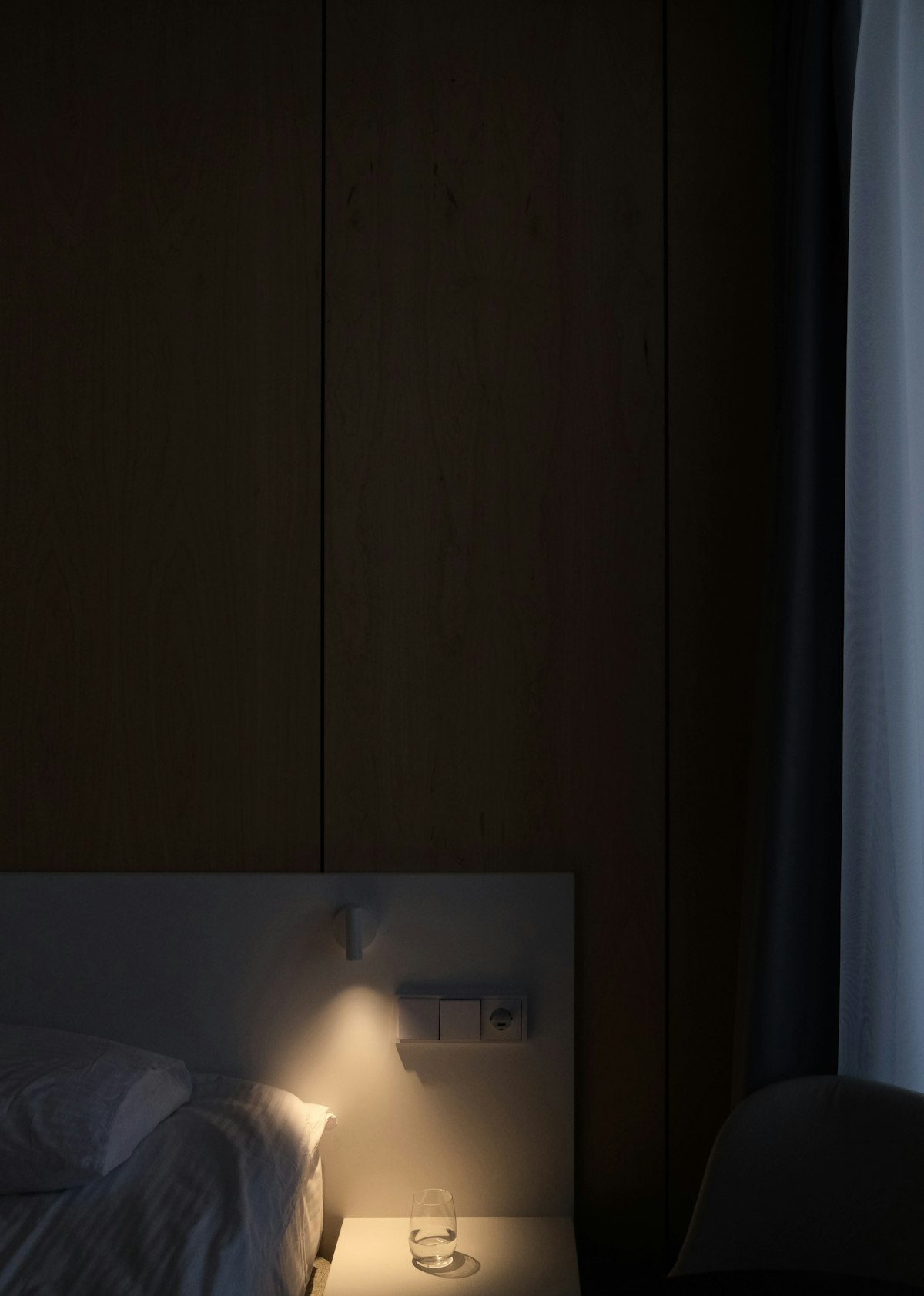
Hannah’s sleep trouble starts every weekday at three fifteen, in the pickup line outside an elementary school. A remark about the carpool roster, something that would fit inside a text message with room left over, and she drove home with her hands too high on the wheel. By midnight she was flat on her back with her eyes wide and her heart tapping out something urgent, and she had no idea what her body thought was happening.
If you’re looking for how to sleep during a stressful week., the answer isn’t a calmer life, because nobody ships one of those. It’s a scheduled one. The full method lives in the stress and sleep guide; this post is the version for a bad week.
Key takeaways
- “stress doesn’t look like a problem. It looks like your life.” The carpool, the dishes, the ordinary Tuesday.
- Tired but wired is a chemistry report, not a character flaw. Worry blocks the perception of sleep pressure.
- Give worry office hours: a two-column page at the same time every evening, easy days and hard days alike.
- Downshift between three and ten with dull physical tasks that have an obvious ending.
- In genuinely bad weeks, lower the bar to one anchor, the wake time, and know when a bucket isn’t enough.
Why you’re tired but wired at midnight
The night version runs like this: you’ve been dragging since two in the afternoon, you could have slept upright in a chair at eight, and then your head touches the pillow and an engine you’ve never once seen the inside of turns over and settles into a smooth, furious idle.
The mechanism is kinder than it feels. All day your body banks sleep pressure, and by eleven the cargo is genuinely there, a real physical weight you could measure in a lab. Worry does one specific thing to the gauges: alertness triggered by worry blocks your perception of that pressure, so the sleepiness sits in the system while the readout insists otherwise. “The fuel gauge is what’s wrong, and the fuel gauge is worry.”
Underneath it all sits cortisol, a hormone that has been slandered by an industry selling it to you as a villain. “It isn’t a villain. It’s a shift worker.” Low around midnight, spiking thirty to forty-five minutes after you wake, sliding downhill all day. “The problem was never the spike. The problem is what constant worry does to the rest of the curve.” Chronic worry flattens the hill into a plateau that runs from nine to eleven at night, so eleven o’clock arrives carrying chemistry that ten hours earlier would have passed for nine a.m.
And the cruelest part: idling high doesn’t feel like stress from the inside. It feels like personality. I spent years certain I was simply a night person with an anxious streak, when in fact my body had been marinating in alertness since every morning commute. “The night is when you notice. The day is where it lives.”
Give worry office hours
You can’t delete stress. You can’t cancel the carpool, unhear the remark, or wish the workload into a kinder shape, and anyone selling you a stress-free life is selling you a smaller life and calling it freedom. What you can do is give stress boundaries. The tool is the worry page: paper, two columns, the worry on the left and the next concrete step on the right, or the honest phrase “nothing tonight.” The full mechanics live in how stress affects sleep, and the page itself is laid out step by step in the worry journal method.
The upgrade that makes it work under pressure: don’t run the page as an emergency measure on bad nights, run it as a standing appointment, the same fifteen to twenty minutes at the same time every evening, on easy days and hard ones alike. Regularity is the dose. The reason is pure office politics: a brain that interrupts your evening with worry is a colleague who doesn’t trust that the meeting will actually happen, so it keeps walking into your office with the same folder, and it stops walking in once the meeting becomes reliable. That’s what clinicians who use scheduled worry time within CBT-I report.
Three rules keep the window honest. Same time, same chair, paper instead of a phone, because the phone hosts the feed and the feed eats appointments. “Midnight never counts as a window, because a worry page written at midnight is just worry that found a pen.” And if the window gets skipped, let it stay skipped rather than running it at eleven forty-five to make up.
For the hours the window isn’t running, when a worry shows up mid-morning, don’t argue with it and don’t follow it. Write it on a scrap, three or four words, and say the time out loud if you’re alone: window’s at seven. A worry with a date loses most of its urgency on the walk back to whatever you were doing.
Downshift between three and ten
Between the end of the workday and bedtime lies a stretch of hours that decides more about your night than the last hour does, and almost nobody guards it. The stress system needs evidence that the day’s emergencies have ended. It doesn’t accept announcements; the system will keep waiting for proof, in its preferred format, which is dull, physical, and genuinely boring to describe.
The proof looks like this: a walk around the block after dinner, a shower, folding laundry with the radio on, ten minutes of weeds, carrying the recycling bins in from the curb. None of it is exercise, none of it is meditation, none of it would impress anyone. That’s the point. These are low-stakes physical tasks with an obvious ending, and an obvious ending is precisely the evidence an idling-high system needs that nothing else is coming. After-dinner walks explains why that stroll does triple duty, and how to decompress after work builds the whole evening border.
Two traps ruin the downshift. Effort ruins it: trying to relax is just effort with a spa soundtrack, so pick downshifts too dull to fail at, and if the walk becomes a fitness project with a target heart rate, you’ve accidentally gone back to work. And scrolling fakes it: it feels like a break because your hands are finally still, but it’s input, more voices, more arguments. If the group chat is relitigating the carpool roster, it’s the fire in pocket format.
If you work where you live, give the workday a closing ceremony: laptop shut and slid into a drawer, tomorrow’s first task on a scrap of paper, the chair pushed in, done at a fixed minute. The commute was never about the driving, it was about the border.
The bucket in the rainstorm
Now the flaw, and it’s a real one, so hear it from me instead of from a night in October. Some weeks are genuinely bad: a diagnosis in the family, a job ending, a move with boxes to the ceiling. “On those weeks, sleep hygiene is a bucket in a rainstorm.” The wind-down runs, the page gets written, the walk happens, and the night is wrecked anyway, because the system has an actual fire and no technique talks a real fire out.
The fix isn’t a better bucket. It’s lowering the bar before the week lowers it for you, down to one anchor, and keeping that one anchor perfectly. The anchor is the wake time, the same alarm seven days running, with everything else graded pass-fail where everything passes. Wake time is the single thread that keeps your body clock from sliding while the rest of the routine is underwater.
One border, said with respect. If the wrecked nights run three or more a week for three months straight, that’s past what habits and buckets describe, and making that appointment is a sleep skill like any other in these pages. Robert, the caregiver I write about, put it best: his problems didn’t get smaller, they got office hours. The goal was never a lighter load. The goal is keeping the load out of the mattress.
Frequently asked questions
How do I sleep during a stressful week?
Give worry a reliable appointment: fifteen to twenty minutes at the same time every evening, two columns on paper, worry on the left and the next concrete step or “nothing tonight” on the right. Add dull physical downshifts between three and ten, and protect your wake time as the one anchor everything else hangs from.
Why am I tired but wired at bedtime?
Worry blocks your perception of sleep pressure. The drowsy cargo built up all day is genuinely in the system, but the readout insists otherwise, so you feel simultaneously exhausted and alert. “The fuel gauge is what’s wrong, and the fuel gauge is worry.”
Should I do a worry page at midnight?
No. “Midnight never counts as a window, because a worry page written at midnight is just worry that found a pen.” Run it as a standing appointment two to three hours before bed, and if the evening collapses, let the window stay skipped rather than moving it to bedtime. The schedule survives a skipped day. It doesn’t survive being moved.
What if the week is genuinely bad, not just busy?
Then lower the bar to one anchor and keep it perfectly: the same wake time seven days running, everything else pass-fail where everything passes. On those weeks, sleep hygiene is a bucket in a rainstorm, and that’s a fact about rainstorms, not about you. If wrecked nights run three or more a week for three months, that’s a doctor conversation.
Does scrolling count as winding down?
No. Scrolling feels like a break because your hands are finally still, but it’s input, more voices, more arguments, and if the group chat is relitigating the day, it’s the fire in pocket format. A shower with a half-listened podcast is a downshift. The same shower with a comment section running is a second shift.
The goal isn’t a calm life, it’s a scheduled one. What arrived instead of calm was a shape: a worry window at seven, a walk at eight, a cutoff at two, a wake time defended like a shift I couldn’t miss. The life stayed exactly as stressful. The nights stopped joining in. The rest is in the stress and sleep guide and in Sleep, Finally.
This guide is educational, not medical advice. If trouble sleeping three or more nights a week lasts three months or more, that pattern has a name and a treatment, and a doctor is the right door.