Morning Light & Sleep
Does Window Light Count as Morning Light
By Nora Vale · January 21, 2026 · 7 min read
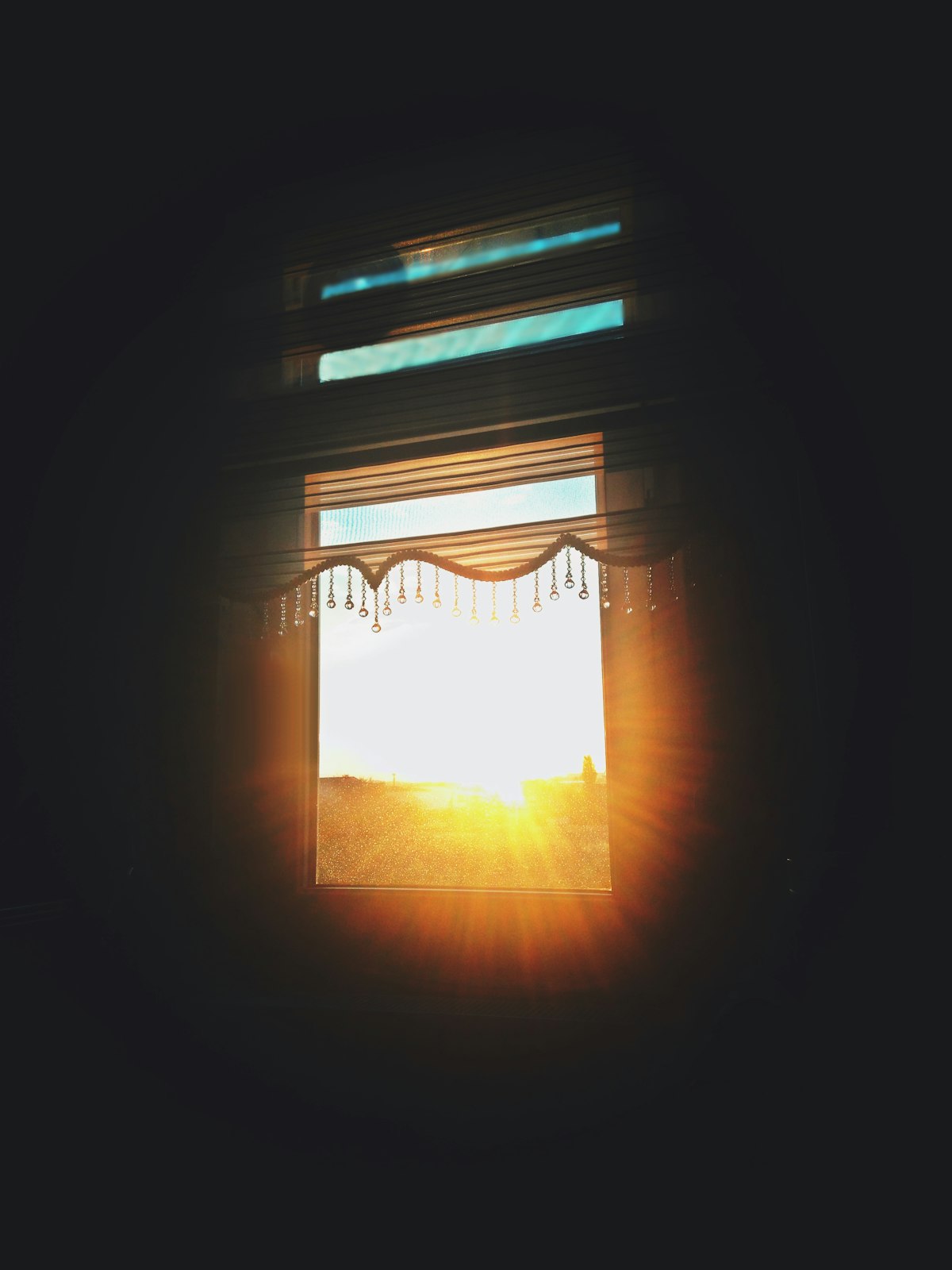
I stood at my kitchen window every morning for a month, convinced I was doing the light thing. Bright room, big window, sky right there. Then I borrowed a lux meter out of pure skepticism and found my sunny kitchen was delivering a fraction of what a miserable parking lot delivers outdoors. That’s the gap this post is about, and it’s the reason the honest answer to the window question is usually no, with some useful exceptions. The full chapter lives in the morning light and sleep guide.
Key takeaways
- Glass cuts the dose and distance cuts it again, so indoor light rarely reaches the level your clock responds to.
- “Your eyes say this is plenty. Your clock says the sun never came up.”
- The grayest January sky over the ugliest parking lot is still ten to a hundred times brighter than your kitchen with every bulb burning.
- Ten to thirty minutes outdoors, in the first hour after waking, is the dose. Coffee on the porch counts.
- If mornings are impossible, a lunchtime walk is the repair, and it works on gray days.
The lux gap, in actual numbers
Your eyes are terrible witnesses here, and that’s the trap. Indoor light feels bright because your pupils adjust, but the numbers tell a different story. Indoor living runs around 100 to 500 lux. An overcast day outside starts at about 1,000 and climbs. Full sun is tens of thousands. So the room you’d swear is bright is, to your body clock, a dim holding cell, and the window makes it worse in two ways at once: glass filters part of the spectrum, and every step back from the glass cuts the dose again.
That’s the mismatch in one line: “Your eyes say this is plenty. Your clock says the sun never came up.” The special cells that carry light to the body clock don’t care how the room feels. They count photons, and the difference between a kitchen and a porch is the difference between a whisper and a sentence. Even the office window seat, the one everyone envies, delivers a diluted dose at an arm’s length, which is why the deeper cut of this argument lives in why office lights don’t count and the glass question gets its own walkthrough in does light through a window help.
One comparison I check myself against every winter: “The grayest January sky over the ugliest parking lot is still ten to a hundred times brighter than your kitchen with every bulb burning.” I wrote that sentence to pre-argue with exactly the objection I used to raise, which was that my mornings were too gray, too urban, and too short for any of this to matter. They weren’t.
What counts, and what almost counts
The dose is boring on purpose. Get outside in the first hour after waking, for ten to thirty minutes, thirty to forty if it’s genuinely gray, without sunglasses, without turning it into exercise or a productivity project. “Coffee on the porch counts. Tea on the front steps counts.” You’re not gardening. You’re setting a watch. I do mine standing at the front door holding a mug, at my most unimpressive, staring at weather like it owes me money.
Standing right at an open window, face turned out, is the borderline case, and the honest answer is that it can work for someone who truly cannot get outside, but it’s the diluted version, and most people overestimate how close to the glass they actually stand. A few feet back is indoors again. If the window is genuinely your only option, go closer, go longer, and treat it as the compromise it is.
And the timing matters as much as the dose, because the same ten minutes at noon is a lovely walk that just isn’t the same signal. Morning light pulls the clock earlier; the same light later in the day pushes it later. Grace, from the book, never changed her bedtime or her screens, just inherited a dog that demanded the yard at 7:15, and fell asleep noticeably earlier within two or three weeks. Bill, with the basement office, couldn’t rescue his mornings at all, so he repaired at lunch with a twenty-minute walk, five days a week, gray days included, and it held the line. The full walk-through of the dose itself is in how long to sit in morning sun, and the lunchtime fallback is in morning walk benefits for sleep.
The honest fine print
Three limits, said plainly. First, light is not a sedative. “Morning light won’t knock you out at bedtime. Not on night one.” The shift shows up in two to three weeks of steady doses, which makes it the least dramatic habit on this entire site, and the first week will feel like nothing, because nothing is what’s happening yet. Second, winter still counts, but it asks more: thirty to forty minutes on gray days, or two shorter turns, with the indoor lights up when you’re up before the sun. Third, if you have an eye condition or you’re considering a light box, that’s a doctor conversation, not a blog one.
There’s one more honest catch, the same one that follows every habit: the dose only works if it repeats. Ten minutes every day beats an ambitious hour on Saturday, and the fix I trust is stapling the dose to something your morning already contains, the first coffee, the school run, the walk to the train. The companion habit on the other end of the day is dimming the house after dinner, which is the mirror image of this one and lives in the wind-down chapter.
Frequently asked questions
So, does window light count as morning light or not?
Mostly no. Glass and distance together cut the dose dramatically: an overcast day outdoors starts around 1,000 lux while a bright indoor room runs 100 to 500. Standing at the window is better than nothing, but it isn’t the signal your body clock is reading for.
How much outdoor light do I actually need?
Ten to thirty minutes in the first hour after waking, thirty to forty on gray days, without sunglasses. Coffee on the porch counts. Tea on the front steps counts. It doesn’t need to be a hike.
What if I can’t get outside in the morning?
Repair at lunch instead: a twenty-minute outdoor walk near midday, five days a week, gray skies included. It’s repair, not replacement, and it still helps the clock.
How long before morning light changes my sleep?
Weeks, not nights. Morning light won’t knock you out at bedtime on night one. The clock shift shows up after two to three weeks of steady doses.
Is an overcast morning still worth going out for?
Yes, and this is the most common reason people skip it. A gray sky is still ten to a hundred times brighter than any indoor room. The parking lot in January beats the sunny kitchen every time.
The chapter behind this post lives in Sleep, Finally. Tomorrow’s version: coffee out the front door, ten minutes, no phone. That’s the whole assignment, and it’s the least impressive habit I know.
This guide is educational, not medical advice. If you have an eye condition, or sleep problems persist despite steady light exposure, a doctor is the right door, no shame in that.