Exercise, Naps & Sleep
Best Foam Rollers for Recovery Days and Deep Sleep
By Nora Vale · August 3, 2025 · 7 min read
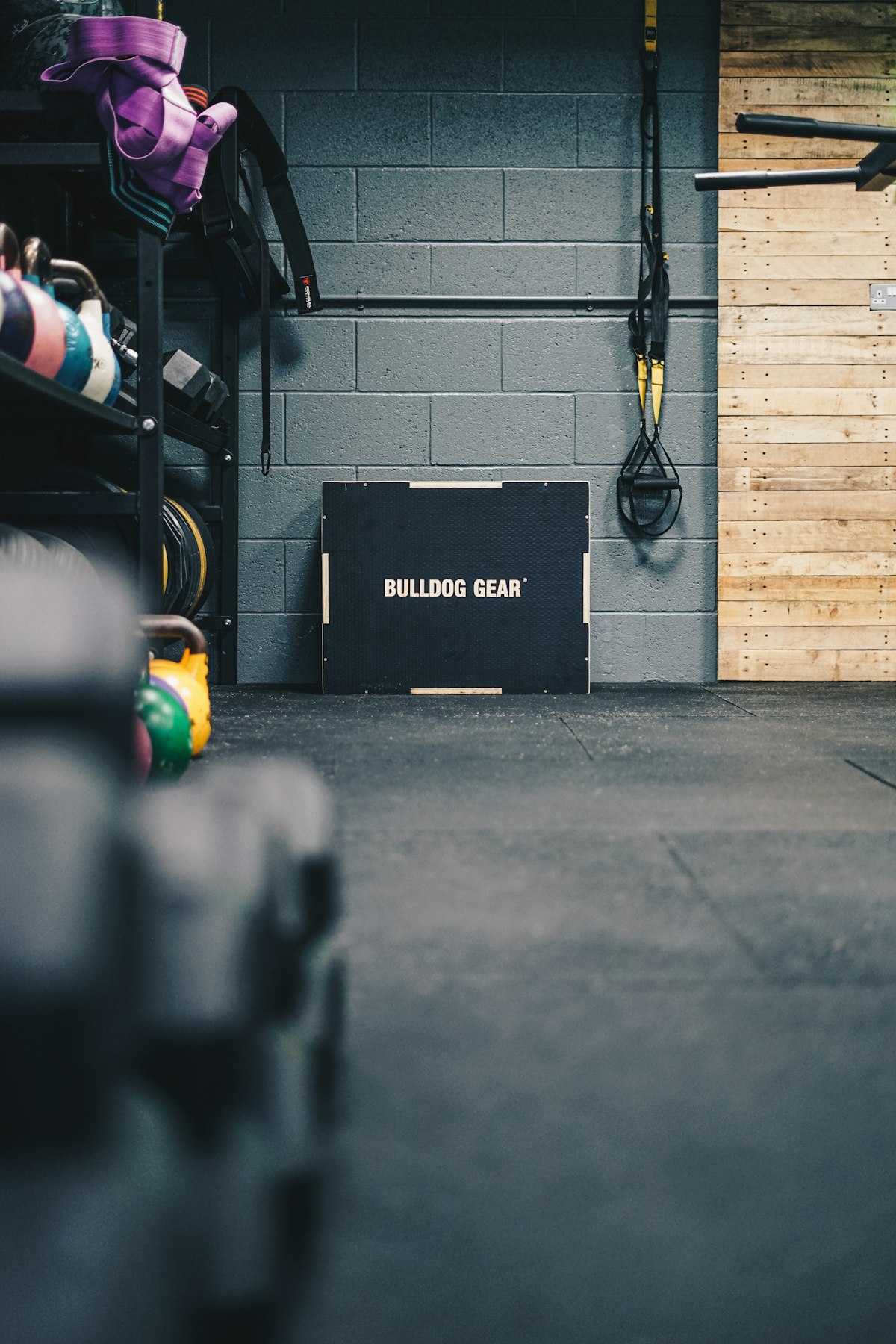
My foam roller cost twenty dollars, lives next to the dumbbells, and does one thing worth writing about: it gives my recovery days a body-shaped ritual, and the evenings after hard training days run smoother for it. The claims around foam rollers and deep sleep mostly overshoot that, so this review will do the unfashionable thing and separate what rolling does from what marketing wishes it did. The exercise and sleep guide holds the movement chapter, and recovery is its honest footnote.
Key takeaways
- Rolling helps sleep indirectly: it’s gentle movement and a wind-down ritual, and it eases the soreness that makes hard-training evenings restless.
- The honest pick is a standard dense round roller; the ridged torture logs are a second purchase, not a first.
- The best slot is the wind-down hour, ten slow minutes as the body slot, stacking with stretching.
- Rolling is part of recovery, not a substitute for it, and overtrained sleep needs a deload, not a device.
- Sharp pain is a stop sign, not a feature, and anyone with an acute injury should ask a professional first.
What foam rolling can honestly do for sleep
Start with the indirect path, because it’s the only one with footing. Deep sleep is the physical-repair shift of the night, and hard training writes it a work order, which is why people sleep deeper after heavy sessions. The rough evenings in a training life come from the in-between states: the sore, restless evenings where the body feels worked but the night won’t settle. Rolling sits usefully in that gap. It’s gentle movement, it eases the muscle soreness that makes lying still feel like a negotiation, and done in the wind-down hour it fills the body slot that most people leave empty.
That slot is where the sleep evidence actually lives. Trials on gentle evening movement found slower sleep onset and better sleep quality, nothing dramatic, no incense required, and the mechanism is demonstration: slow, unclenching physical activity tells your body the day’s work is over, and your body believes demonstrations more than declarations. Ten minutes on the floor with a roller, lights dimmed, is exactly that demonstration. It stacks with stretching rather than replacing it, and the two together are the least photogenic recovery protocol in existence, which is my favorite kind.
What the roller doesn’t do, despite the product pages: flush toxins, melt fascia in any measurable clinical sense, or directly deepen sleep architecture. If a listing promises sleep improvements, grade it as enthusiasm rather than evidence.
How to pick one without overthinking
The honest pick is boring. A standard dense round roller, smooth surface, does everything the wind-down use requires, and it costs about the same as a takeout order. The thirty-six-inch length fits the spine and both calves and gives you room to experiment; the twelve-inch travel size does the same job in a closet, and storage location matters more than the roller industry wants to admit, since equipment that’s out of sight is equipment that’s out of the ritual.
Skip, as a first purchase, the ridged and knobbed versions that dominate the photos. They’re tools for people who already roll and want more intensity, and as a first roller they hurt enough to kill the habit in week one, which is the most expensive outcome a twenty-dollar object can produce. Texture can come later, if ever. Density has one honest note: very soft rollers feel pleasant and do less, very firm ones bruise sensitive people, and the middle is where almost everyone lands.
Frequently asked questions
Can foam rolling actually improve sleep?
Indirectly, and modestly. Rolling is gentle movement and a wind-down ritual, and gentle evening movement has real evidence behind it for sleep onset and quality. It also eases the post-workout soreness that makes evenings restless. No roller improves sleep by itself.
What type of foam roller should I buy?
A standard dense round roller, about thirty-six inches long for versatility or twelve for storage, is the honest pick. Avoid the aggressive ridged versions as a first roller, since they hurt enough to make the habit die in week one, which defeats the entire purchase.
When is the best time to foam roll for sleep?
Evening, in the wind-down hour, as the body slot: ten slow minutes on the floor with the lights dimmed. It stacks with stretching, and loosening the body before lying down fits the ramp from vertical day to horizontal night.
Does rolling help with overtraining and restless nights?
It’s part of the recovery picture, not the fix. If sleep gets worse as training volume climbs, the answer is a deload and more rest, since chronic overtraining genuinely burns the night back. Rolling the symptoms while ignoring the load solves nothing.
Who should not foam roll?
Anyone with an acute injury, inflamed tissue, or pain that sharpens during rolling should check with a doctor or physical therapist first. Rolling should feel like unpleasant pressure releasing, never like injury.
One genuine differentiator worth a few dollars: density that doesn’t collapse. A roller that squishes under your body weight stops rolling and starts sinking, and sinking feels like nothing. Beyond that, the specifications are noise, and the differences between two smooth dense rollers are invisible at the level your sleep operates on.
The ritual that earns the roller’s keep
Equipment only matters inside a habit, so here’s the version I’d run. On recovery days and hard-training evenings, ten slow minutes in the wind-down hour: calves, hamstrings, the outer hips, the upper back, each slowly, breathing like it’s boring, lights dimmed, phone somewhere else. Follow it with the mat stretches if you keep that habit, then bed. The rolling is the body slot of the evening, and it does the same job the walk does in a different register, which is giving the day a physical ending the nervous system can read.
The habit frames matter more than the purchase. Anchor the rolling to something that already happens, the same way the dumbbells live between the kitchen and the television, because motivation is a terrible scheduler and anchors work. Start with five minutes, since the ten-minute version grows out of the five-minute version surviving February. And keep the ritual off the bed itself, for the same reason naps belong on the couch: the bed stays coded for night.
If you’re building the surrounding routine, yoga before bed and stretching vs yoga: which wind-down fits your nights cover the mat version, leg day and sleep: why hard sessions make you sleepy explains the repair-sleep link rolling serves, and 7 signs you are overtraining and it shows in your sleep is the checklist if restless nights and climbing volume arrive together.
One honest limit closes the review, as it closes every equipment review worth reading. A roller won’t fix a broken schedule, a late coffee, or a sleep disorder, and if rolling sharpens into pain, that’s a doctor conversation, not a technique problem. For everyone else: dense, round, twenty dollars, and living where the evening can see it. The full movement chapter, recovery included, is one chapter of the book, and its equipment list fits on a shelf.
This guide is educational, not medical advice. If rolling causes sharp pain or you have an acute injury, check with a doctor or physical therapist before continuing.