Hormones & Sleep
Best Cooling Mattress Pads for Night Sweats
By Nora Vale · November 5, 2025 · 7 min read
It’s 2:20 a.m. and you wake up soaked through your t-shirt, flip the pillow to the cool side, then flip it back two minutes later because that side is gone too. The duvet is on the floor. You’re cold now, actually, in a damp way, and your brain picks up the shift: checking the clock, doing arithmetic about the alarm. By the time your body cools, the hour is spent.
I know the scene from the inside, because that was my forties. The first suspect I blamed was the duvet, then the weather, then the workload, and it took an embarrassingly long time to consider the third suspect, the one that had been living in my body the whole time. “My sleep hadn’t broken. Its owner had changed.” This page is about the bedding part of the answer, the cooling mattress pads night sweats searches lead to, and I’ll be honest about what they can and can’t do. The full picture, including the part bedding can’t touch, lives in the guide to hormones and sleep.
Key takeaways
- A cooling pad manages the flash’s aftermath, not the flash: faster heat pull, faster drying, a smaller wake-up.
- Room first, pad second. The bottom of the 65 to 68°F range, layers, and a fan beat any pad and cost less.
- Passive pads cool by fabric; powered toppers circulate water or air and can hold a real temperature.
- Two weeks of a trigger log is the tool that outperforms everything you can buy.
What actually happens during a night sweat
A hot flash works like an alarm you never set. Your core temperature surges, your body dumps heat through skin and sweat, and the emergency pulls you all the way to the surface. The flash lasts minutes. The wake-up can cost an hour, because “The heat starts it. The worry finishes it.” You surface drenched, flip the pillow, kick at the covers, and while your body cools, the mind does math until morning.
That sequence matters for shopping, because it tells you what a pad is actually for. The pad’s job is to shrink the first half: pull heat off your skin fast, dry fast, and give your body somewhere cool to land so the wake-up is shallower. It can’t touch the second half, the worry, and it can’t stop the surge from starting. Studies that followed thousands of women through the menopause transition, cited by the Menopause Society, found roughly 40 to 60 percent report sleep problems, most tied to flashes and night sweats, which means the problem is common. Common isn’t the same as settled, and bedding is one lever of several.
Room and bedding first, because they’re cheaper and they work
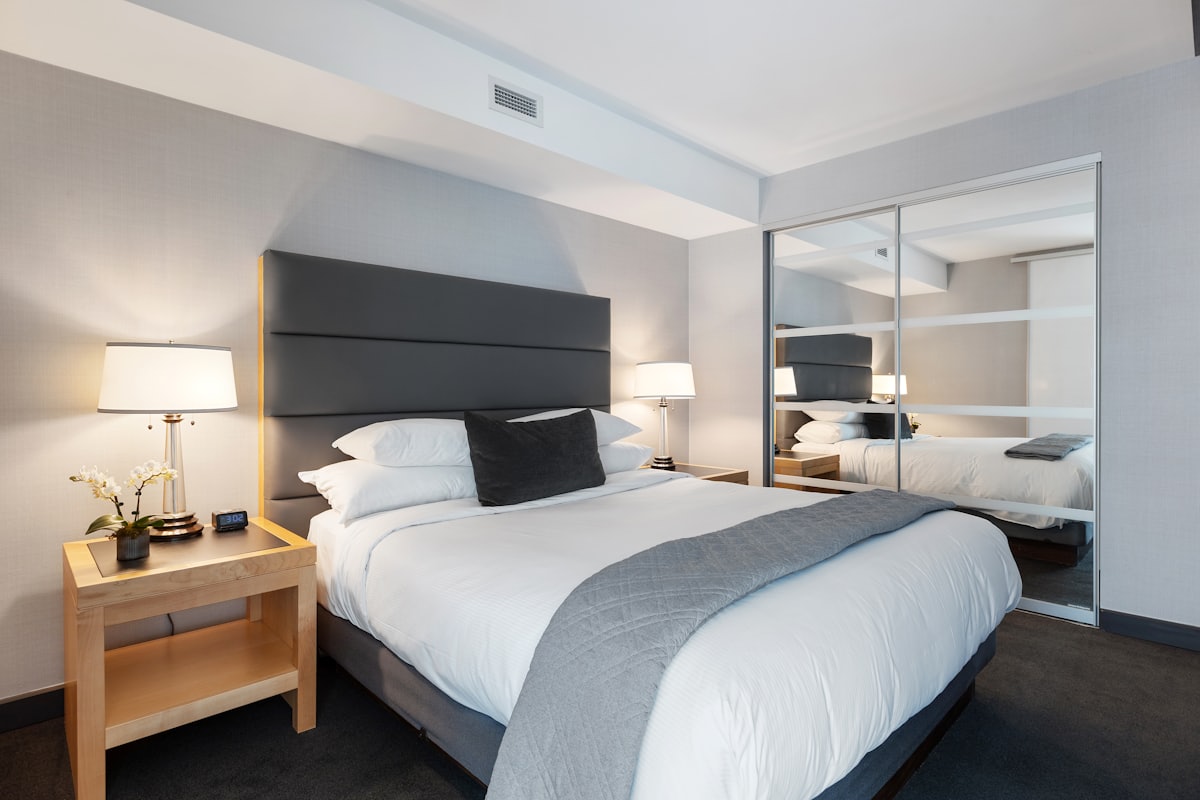
Before any product, the playbook that costs almost nothing, because a pad works better on top of it. Start with the room: chapter two’s case for a cool bedroom in the 65 to 68°F range holds double here, because a body that surges needs a low place to surge from. Drop the thermostat a couple of degrees. Your partner can wear socks.
Then think in layers instead of one heavy cover. A flat sheet, a light blanket, and a comforter you shed in stages turn a flash into a manageable event, and the classic move is one foot out first, because a bare foot vents heat surprisingly well. Keep the layers loose. Tight tucking is the enemy. You want exits. A fan earns its place twice over, moving air across your skin so sweat can do its job and laying down steady sound, and some women keep it within arm’s reach as a kind of fire extinguisher for flushes, switched on the moment heat starts rising.
If the room is already cool and the nights are still thin, that’s not you doing it wrong. Progesterone’s decline in perimenopause can worsen sleep independently of any hot flash, and “Nobody lies awake at 3 a.m. thinking, my progesterone is falling.” The quiet version of the problem is covered in progesterone and sleep, and the thermal playbook more broadly lives in night sweats cooling tips.
What a passive cooling pad can and can’t do
The passive pad is what most people picture: a mattress-pad layer of fabric engineered to feel cool to the touch and pull moisture off the skin. The honest version is this. The cool-touch effect is real at first contact and fades as the pad reaches your skin’s temperature, so it helps you fall asleep and helps at the moment you land back down after a flash, more than it holds a temperature all night. What it holds all night is the moisture job: fabric that wicks sweat and dries fast, so the 2:20 wake-up is less drenching and the 2:40 return is quicker.
Moisture-wicking material sounds like marketing copy, and I rolled my eyes at it too, right up until the first night I didn’t have to peel a wet t-shirt off at three in the morning. The fabric rule from that experience applies to pads directly: synthetics and merino move sweat, cotton doesn’t. Check what the pad’s top surface actually is before you check anything else, because a wicking top layer under a waterproof vinyl membrane is a raincoat under a blanket, and vinyl is why some cheap “cooling” pads feel like sleeping on a plastic sheet.
A pad also can’t fix a mattress that runs hot. Memory foam is the known offender, since dense foam holds body heat against you all night, and a thin pad on thick foam is a polite apology rather than a fix. If the bed itself is the heat source, no surface layer erases that.
Powered toppers: when they’re worth the money
The powered category is different in kind, not just price. Water-circulating and air-circulating toppers pump cooled water or air through a pad’s channels, and that’s the only consumer version that can hold an actual set temperature against your body’s output all night. For someone whose flashes arrive nightly, or who shares the bed with a partner running warm while you run hotter, a powered topper is the closest thing bedding gets to a thermostat, and it’s the version worth considering after the free levers are done.
Three honest caveats before the price tags. First, it’s equipment, which means noise, a unit on the floor, tubing under the sheets, and a cord, and some people never stop noticing any of it. Second, it’s power and maintenance, because the water versions want refills and occasional cleaning. Third, it manages temperature, not hormones. If your flashes come with a pounding heart and damp hair at 3:40, a topper shortens the event and buys back the return to sleep, and that’s worth real money to real people. It isn’t a treatment. The line stays where it always was: “Notebooks record. Labs read. I can’t.” Hormone questions belong with a clinician, ideally one who listens, and if the first one shrugs with the phrase “that’s just your age,” you’re allowed to find another.
Whichever route you go, the shipping details decide whether you keep it: check the depth range of the skirt against your mattress, since a pad that pops off corners every night gets thrown in the closet by week two, and check wash instructions, because anything that isn’t machine-washable will not survive contact with real night sweats.
The tool that beats every pad: two weeks of notes
The last tool costs nothing and outperforms everything above, and it’s a log. Hot flashes have triggers, and the list is maddeningly personal, which is why guessing fails and note-taking doesn’t. Christine, 47, spent six months playing detective from memory and concluded there was no pattern, which is the exact conclusion a person reaches while working from memory instead of records. “Memory is a terrible statistician. It rounds off Tuesdays.”
Her setup was almost insultingly simple. A notebook by the kettle, one line each morning about the day before: what she drank, how spicy dinner was, whether anything hot came after eight, when the flash struck. “Fill it in for fourteen days, not seven. Weekly patterns need two cycles before they’ll confess.” What her pages showed was food hiding in plain sight, the Tuesday curry and the Friday salsa and beer, clustering with flashes, in her own handwriting. Wine moved earlier and shrank, curry became a Saturday lunch, the hot sauce stayed but not after six, and the flashes thinned out enough that she stopped dreading lights-out.
Frequently asked questions
Do cooling mattress pads actually help with night sweats?
They help with the aftermath: a cool surface pulls heat off your skin faster and dries quicker than ordinary bedding, so the wake-up is less drenching. They don’t stop the flash itself, because the surge starts under the skin where no pad can reach.
What’s the difference between a cooling pad and a powered topper?
A passive pad is fabric engineered to feel cool and wick moisture, and it costs less with nothing to break. A powered topper circulates water or air and can hold an actual set temperature, which costs more and is the only version that actively lowers the bed’s warmth.
Should I buy a pad or fix the bedroom first?
Fix the bedroom first, because it’s cheaper and it works all night. A room at the bottom of the 65 to 68°F range, layered bedding, and a fan within reach do more for night sweats than any pad.
When do night sweats need a doctor instead of bedding?
When they’re heavy, frequent, worsening over months, or paired with other changes you can’t explain. The pattern belongs in a clinician’s hands, ideally one who listens, and your two-week log is what makes the visit worth having.
She didn’t buy a topper first, and you shouldn’t either. Run the room, the layers, the fan, and the two weeks of notes, and then decide what the pad or topper needs to do, if anything. The full cooling playbook, the log format, and the honest guide to where lifestyle ends and a doctor starts are all in Sleep, Finally. Buy for the aftermath you actually have. Not for the one on the box.
This guide is educational, not medical advice. If sleep problems persist for months or wreck your days, see a doctor.