Waking Up at 3 A.M.
How to Stop Checking the Time at Night
By Nora Vale · May 24, 2026 · 7 min read

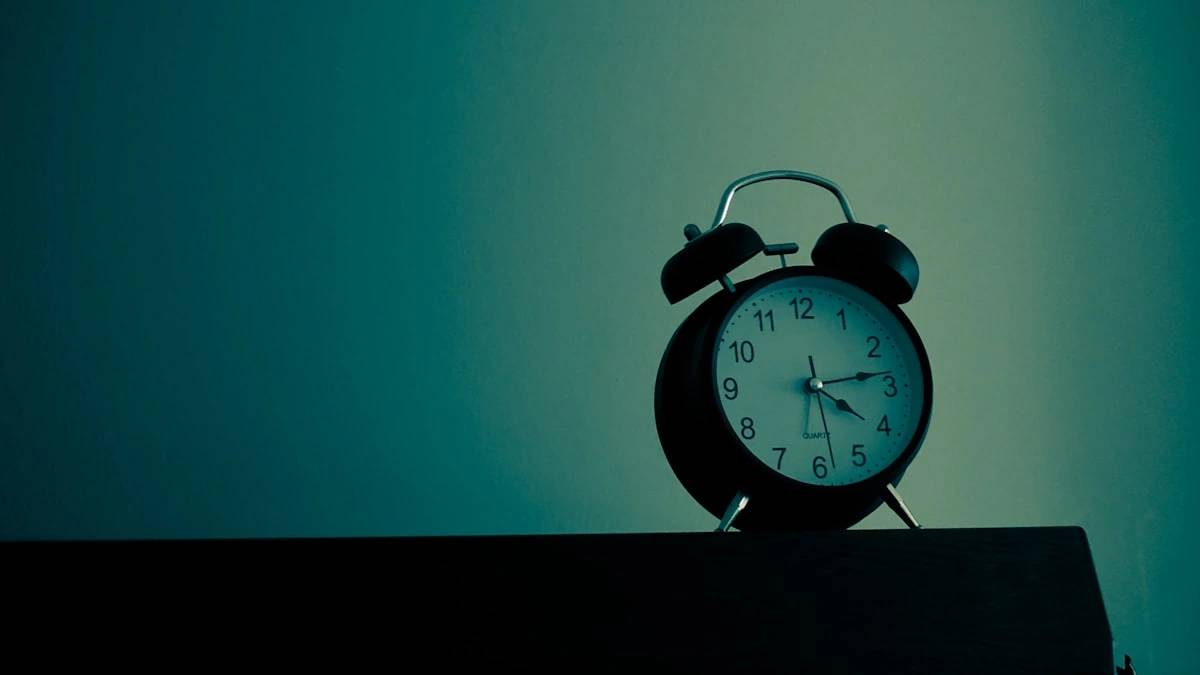
The last thing I remember from my worst stretch of nights is the green 3:14, and the arithmetic that started before my eyes had fully adjusted: two hours and sixteen minutes until the alarm, minus however long I’d already been lying here, minus the fallacy that knowing the number helped anything. I checked for reassurance. I got a bill. If you’ve ever lain in the dark negotiating with a clock, you already know the deal, and this post is how to stop checking the time at night, which turned out to be less a willpower problem than an equipment problem. The whole territory, wake-ups and all, is mapped in the waking up at 3am guide.
Key takeaways
- Time math fuels arousal: the clock check is the fuel pump for the 3 a.m. spiral, not relief from it.
- The fix is environmental, not motivational: turn the display, cover the glow, rehome the phone.
- Not knowing the time doesn’t break the get-up rule; the twenty-minute estimate works without numbers.
- Expect two strange nights. Then the night stops being a countdown and goes back to being a night.
What the clock check actually does
Here’s the sequence, because it deserves to be seen whole. You surface around three, and before you’ve decided anything, your eyes find the clock. Now you know it’s 3:14, and knowing is the problem. The math starts immediately, the same flavor every time: hours left before the alarm, hours of sleep already gone, tomorrow getting mortgaged minute by minute while you watch. Sleep clinicians are blunt about the clock for exactly this reason. Time math fuels arousal, which is backwards from what the checking is for. You check for reassurance and get a bill instead.
I did this for years, and I want to defend my past self for a second, because the logic felt airtight at 3 a.m.: if I know how much night remains, I can relax. It never once relaxed me. The number is a deadline, and a deadline is the single least sleepy object a human brain can hold at that hour. The cortisol is already climbing toward its morning peak, the sleep is already shallow, and the clock takes a five-minute surfacing and gives it an agenda.
The useful reframe is that the clock check is a choice, not a symptom. The waking is automatic. The roll toward the nightstand isn’t. That’s genuinely good news, because choices can be made harder, and making a behavior harder is the one thing willpower is actually good at.
The no-clock rule, as equipment
The rule is one line: no clocks visible from the bed. But rules carried in the head lose to habits carried in the hand, so the working version is physical. Turn the display away. Cover the glow with a sock or a folded receipt. If the phone is your alarm, this is the part where I point out it’s usually three problems in one rectangle, a light source aimed at your face, a feed engineered to be more interesting than sleep, and a job with an email in it you’ll feel obliged to have an opinion about. Rehome it beyond arm’s reach, and the alarm duty moves to a ten-dollar clock from the drugstore. A phone charging in the hall has never once shown anybody the time at 3:17.
Do this at night, before bed, on purpose, because 3 a.m. you is in no state to negotiate. The version of you deciding at three to “just not look” is running on a spent night against a reflex, and the reflex wins. The version of you reading this in daylight wins by moving the equipment now, once, and letting the furniture do the discipline for you.
There’s a companion move that earns its keep: decide what you’ll do instead of checking. The check fills a vacuum, and a vacuum with a plan in it is smaller. My plan was boring on purpose, roll the other way, long exhale, and if the surfacing stuck anyway, the twenty-minute rule took over. For the whole set of rules, including when to actually get up, the should you get out of bed when you can’t sleep post covers the decision, and the what is stimulus control post explains why a chair in another room outperforms every gadget aimed at this problem.
Without a clock, how do you know when to get up
This is the objection I had myself, so let’s do it properly. The stimulus control rule says: after an estimated fifteen to twenty minutes of awake-in-bed, get up, do something dim and boring somewhere else, and come back when you feel truly sleepy. Nothing in that rule requires knowing the time. You estimate. If you genuinely can’t tell whether twenty minutes have gone by, you’re usually close enough to sleep that drifting off is back on the table, which makes the uncertainty a feature.
The deeper worry underneath the objection is control, and I get it, because the clock feels like the last instrument left on the panel. But the instrument is lying to you. The number was never going to make you sleep, and the countdown it sold you was the thing keeping you awake. Losing it doesn’t strand you. It hands the night back to the part of you that runs sleep without consulting your math, which is the only part that ever did the job anyway.
Getting up twice in one night is normal. Three times happens too. Neither one means the method is failing, and neither one requires a timestamp to fix.
The first week without the number
Honest cost section, because you deserve it before you try. The first two nights, you will reach for the clock. The reach happens before the thought does, and the hand finds a turned-away display or a bare nightstand, and there’s a strange little vertigo in that moment. You’ll feel unmoored. I did, and I’ve heard the same from enough people that I treat the vertigo as standard equipment for week one.
It breaks faster than you’d expect. By the third or fourth night, the reach thins out, and something better starts happening: the wake-ups feel shorter. Partly that’s real, because without the math there’s no spiral to extend them. Partly it’s that the night has stopped being a countdown you’re auditing, and gone back to being a thing your body does in the dark. You were never a bad sleeper. You were a sleeper who started remembering the wake-ups, and the remembering is where all the trouble lives.
One flaw in the method, stated up front: a covered clock doesn’t fix a noise-waking baby, a snoring partner, or anxiety with real daylight content, and if the wake-ups come with chest pain or breathing pauses someone else has witnessed, that’s a doctor door, not a clock door. The phone half of this problem gets its own argument in the should I charge my phone outside the bedroom post, and the waking up at the same time every night post takes the mystery out of the hour itself. For everything else, the equipment move holds. Turn the display, rehome the phone, and give the math nothing to eat.
Frequently asked questions
Why is checking the time at night so bad?
Because the instant you know it’s 3:14, the math starts: hours left before the alarm, hours of sleep already gone, tomorrow getting mortgaged minute by minute. Time math fuels arousal, which is backwards from what the checking is for. You check for reassurance and get a bill instead.
What if my phone is my alarm clock?
Rehome it beyond arm’s reach and buy a ten-dollar alarm clock from the drugstore. A phone in the hall still does its alarm job, and it stops being a light source, a feed, and a job aimed at your face at 3 a.m. Ten dollars, once.
How do I know when to get up if I can’t see the time?
The same rule works without numbers: give yourself an estimated fifteen to twenty minutes of awake-in-bed, and if you’re still awake past that, that’s your cue to get up and do something dim and boring somewhere else. Estimates work fine. Precision was never the useful part.
Won’t I panic without knowing the time?
The first two nights feel strange, and then the strange part wears off faster than you’d expect. Not knowing the time turns the night back into something your body runs, instead of a countdown you’re auditing. The wake-up usually feels shorter, because it is.
The whole system, including the worksheets, is in Sleep, Finally.
This guide is educational, not medical advice. If sleep problems persist for months or wreck your days, see a doctor.